
Searching for a meaningful water temple and Balinese purifying experience in Bali? Beyond beaches, rice terraces, and scenic viewpoints, Bali offers another side of the island shaped by spirituality, tradition, and centuries-old beliefs.
A visit to a sacred water temple allows travelers to experience a deeper connection with Balinese culture. Instead of simply observing architecture and taking photos, guests can learn about the importance of holy springs, purification rituals, and the relationship between people, nature, and spirituality.
Among Bali’s most respected sacred sites, Tirta Empul Temple is known for its natural holy spring water and traditional purification ceremony. The experience combines cultural discovery with a peaceful moment of reflection, creating a different way to understand the island beyond its famous attractions.
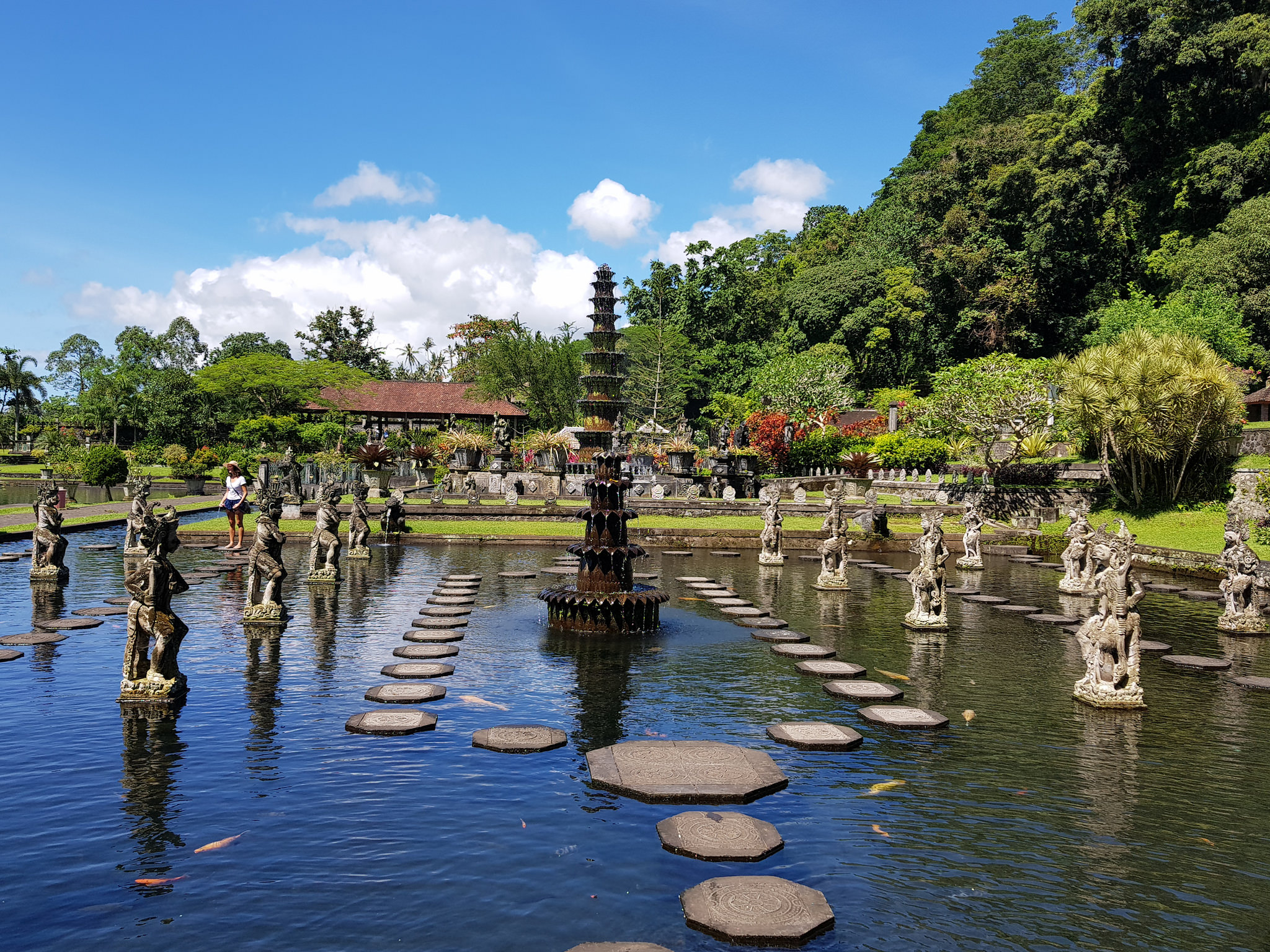 Image source: Kura-Kura Bus Blog – Bali cultural and temple experience.
Why a Water Temple Experience Feels Different from Regular Sightseeing
Many travelers visit Bali to enjoy natural scenery, adventure activities, and relaxing beaches. However, the island’s identity is also deeply connected with spiritual traditions that continue in daily life.
A water temple in Bali represents the importance of purification through sacred water. For generations, Balinese Hindus have visited holy springs to pray, make offerings, and participate in cleansing rituals known as melukat.
The experience is not only about entering a temple area. It is about understanding why water holds such an important role in Balinese Hindu philosophy and how these traditions remain part of modern island life.
1. Discover Tirta Empul, Bali’s Sacred Holy Spring Temple
Located in Tampaksiring, Gianyar, Tirta Empul Temple is one of Bali’s most significant spiritual landmarks. The temple was built during the Warmadewa Kingdom period in the 9th century and remains an important place of worship today.
The name Tirta Empul refers to the sacred spring that flows naturally inside the temple complex. The clear water fills traditional bathing pools where local worshippers and visitors take part in purification rituals.
Walking through the temple grounds, guests can observe the relationship between Balinese architecture, religious ceremonies, and natural elements. Every area has its own meaning, from the prayer spaces to the pools where purification takes place.
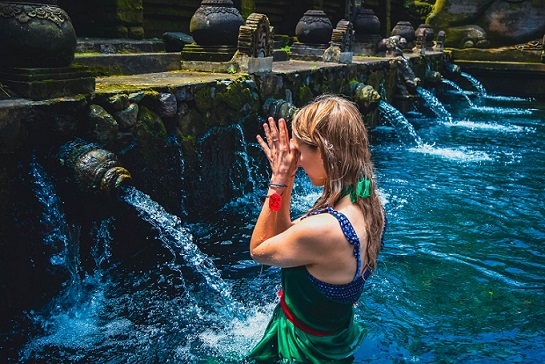
2. Experience the Traditional Balinese Purifying Ritual
The highlight of this cultural journey is experiencing the traditional purification process at the holy spring. The ritual invites participants to enter the bathing area and move through the water fountains while offering prayers and reflection.
For Balinese Hindus, purification represents cleansing the body, mind, and spirit. not only that each water spout carries symbolic meaning, creating a meaningful sequence rather than a simple bathing activity.
Visitors joining the ritual are guided to follow local customs respectfully, including wearing appropriate temple attire and understanding proper etiquette before entering the sacred area.
What makes the purification experience special?
- first, Connection with one of Bali’s oldest spiritual traditions.
- Opportunity to experience local customs respectfully.
- also Understanding the cultural meaning behind holy water.
- additionally, it gives a peaceful moment away from busy tourist attractions.
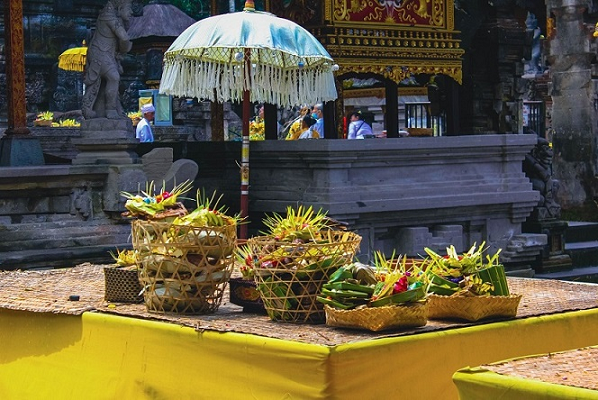
3. More Than a Temple Visit: Understanding Balinese Spiritual Culture
A common misconception is that visiting a temple is only about seeing beautiful buildings. In Bali, temples are living spaces where ceremonies, prayers, and traditions continue throughout the year.
At Tirta Empul, the sacred spring creates a connection between nature and spirituality. The flowing water represents renewal, while the surrounding temple environment reflects the balance between humans and the natural world.
Through a guided experience, travelers can learn the meaning behind offerings, temple customs, and the importance of respecting sacred spaces.
