
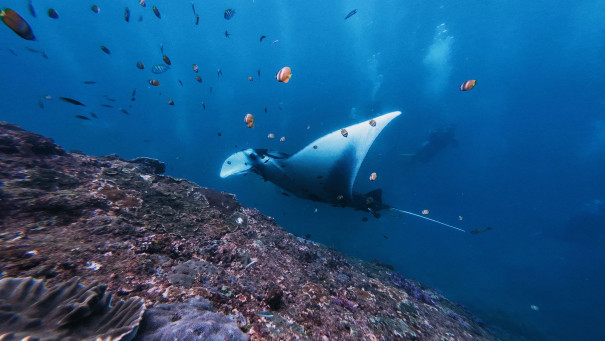
Where to See Manta Rays in Nusa Penida: Manta Bay Guide & Best Time to Go
Find out where to see manta rays in Nusa Penida, when to visit, and what to expect from a manta ray snorkeling experience.
Where Can You See Manta Rays in Nusa Penida?
Manta Bay and Manta Point are two well-known areas for manta ray encounters around Nusa Penida.
You can encounter manta rays throughout the year. For generally favourable sea conditions, many travelers choose the drier months from April to October.
Seeing manta rays is one of the most memorable things to do in Nusa Penida. These large marine animals attract snorkelers and divers from Bali and around the world.
Nusa Penida offers several areas where manta rays may appear. Among them, Manta Bay has become a popular choice for snorkeling trips.
Still, manta rays are wild animals. Their movements depend on the sea, weather, food, and natural behaviour.
What Is Manta Bay?
Manta Bay lies on the southwest side of Nusa Penida. Local boat operators often include the area in snorkeling trips when conditions allow.
The area attracts manta rays because the surrounding waters provide suitable conditions for marine life.
A visit can feel different every day. You may see several manta rays, a single animal, or none during your trip.
Manta Sightings Are Not Guaranteed
Manta rays move freely through the ocean. Weather, visibility, currents, and animal behaviour can all affect your chances of seeing them.
When Is the Best Time to See Manta Rays?
You can encounter manta rays around Nusa Penida throughout the year.
For generally better snorkeling conditions, consider visiting between April and October.
These months fall within Bali’s drier season. Visitors may enjoy calmer seas and better visibility, although conditions can still change.
November to March can also offer manta encounters. However, weather and sea conditions may become less predictable.
What Time Should You Go?
No specific hour guarantees a manta ray encounter.
Many snorkeling trips leave in the morning. An early departure gives the crew more time to check conditions and adjust the route.
Your operator may recommend a different departure time. Follow the crew’s advice because local conditions can change quickly.
What Should You Expect When Snorkeling With Manta Rays?
Manta rays are large animals, but they often move calmly through the water.
A manta may swim below you, pass nearby, or move into deeper water. The animal may also change direction without warning.
Give the manta enough space to move naturally. Avoid chasing it or trying to touch it.
During the Encounter
- Stay calm in the water.
- Keep a respectful distance.
- Follow your guide’s instructions.
- Allow the manta to move freely.
Avoid
- Touching the manta.
- Chasing the animal.
- Blocking its path.
- Standing on coral.
Can Beginners Snorkel With Manta Rays?
Yes. You do not need a diving certification to join a snorkeling trip.
However, you should feel comfortable in open water. Nusa Penida can have currents and changing sea conditions.
If you are not a confident swimmer, tell your guide before entering the water. The crew can explain the conditions and safety procedures.
What Is Manta Point?
Manta Point is another well-known manta ray area around Nusa Penida.
Divers especially value the site because manta rays may visit cleaning stations in the area.
The experience differs from one visit to another. Marine conditions and manta behaviour can change throughout the day.
What Happens If the Sea Is Rough?
Rough seas can make snorkeling more difficult. Strong currents and poor visibility may also affect the experience.
Your operator may change the route when conditions become unsuitable.
In some cases, the crew may delay or cancel the trip. A responsible operator should always put guest safety first.
What Should You Bring?
Most snorkeling operators provide basic equipment. Your personal packing list can therefore stay simple.
Useful Items
- Swimwear
- Towel
- Sun protection
- Dry clothes
Optional Items
- Waterproof phone pouch
- Underwater camera
- Personal snacks
- Reusable water bottle
How Can You Improve Your Chance of Seeing Manta Rays?
No method can guarantee a manta sighting. A few practical choices can still help you plan a better trip.
Choose a period with generally favourable sea conditions. April to October offers a practical window for many visitors.
Check the weather before your trip. Keep your schedule flexible if conditions change.
Most importantly, listen to your local guide. The crew can assess the sea and choose the most suitable route for the day.
Is Manta Bay Worth Visiting?
For travelers who enjoy marine life, Manta Bay can become one of the highlights of a Nusa Penida trip.
The experience also offers a different view of the island. Instead of exploring Nusa Penida only from land, you can experience its marine environment.
Manta snorkeling can therefore add a memorable experience to your island itinerary.
Manta Rays in Nusa Penida: The Simple Answer
You can encounter manta rays around Nusa Penida throughout the year. Manta Bay is one of the main areas for manta ray snorkeling.
For generally favourable snorkeling conditions, consider visiting between April and October.
Manta Point offers another important manta site. Divers especially value the area for its cleaning station.
Remember that manta rays are wild animals. Sea conditions and animal behaviour can change from one day to another.
Choose a responsible operator, keep your schedule flexible, and follow your guide’s instructions.
Frequently Asked Questions
Can you see manta rays in Nusa Penida all year?
Yes. Manta rays live around Nusa Penida throughout the year. Weather and sea conditions can affect your experience on the day.
What is the best month to see manta rays?
April to October offers a practical period for visitors who want generally favourable snorkeling conditions.
Is Manta Bay good for snorkeling?
Yes. Local operators commonly include Manta Bay in snorkeling trips when sea conditions allow.
What is the difference between Manta Bay and Manta Point?
Manta Bay is commonly associated with snorkeling trips. Divers know Manta Point for its manta cleaning station.
Can beginners snorkel with manta rays?
Yes. You do not need a diving certification for snorkeling. However, you should feel comfortable in open water and follow your guide’s instructions.
Are manta ray sightings guaranteed?
No. Manta rays are wild animals. Their location and behaviour can change, while weather and sea conditions can affect sightings.
Explore Nusa Penida From the Water
Experience Nusa Penida’s underwater world with a snorkeling trip that includes manta ray areas.
