
If your Bali itinerary already includes beaches, cafés, and famous temples, East Bali can offer something completely different, Here, Royal Karangasem palaces, water gardens, countryside, and village life create a slower cultural journey.
Unlike a day built around one famous attraction, Royal Karangasem connects several sides of the region. First, you discover royal architecture. Then, you move into rural Karangasem before finishing among the fountains and ponds of Tirta Gangga.
Therefore, the real question is not only whether Karangasem looks beautiful. Instead, it is whether this type of history, scenery, and slower travel style matches the Bali experience you want.
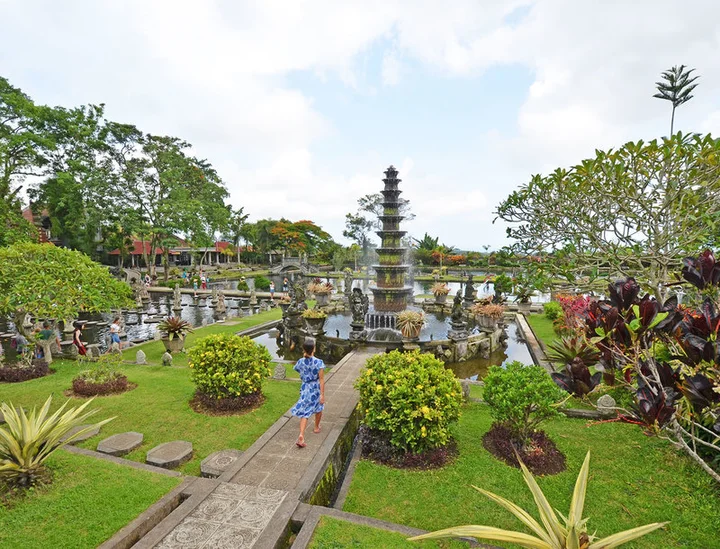
Image source: Kura-Kura Bus – Royal Karangasem and East Bali.
What Makes Royal Karangasem Different?
South Bali often moves quickly. In contrast, Karangasem rewards travelers who enjoy taking their time.
Instead of focusing on nightlife or shopping, the region introduces royal history, traditional architecture, water gardens, agriculture, and mountain scenery. Moreover, the attractions connect naturally because many share the story of the Karangasem royal family.
As a result, a day here feels less like a collection of unrelated stops and more like one cultural journey through East Bali.
1. Start with the Open Spaces of Taman Soekasada
First, Taman Soekasada, also known as Taman Ujung, introduces the royal side of Karangasem through large ponds, bridges, gardens, and elegant pavilions.
However, the attraction is not only about architecture. The wide grounds also create open views toward the surrounding hills and eastern coastline. Therefore, the visit feels spacious and calm rather than crowded and enclosed.
Take time to walk between the pools and look at the different design influences. In particular, the combination of Balinese and European-inspired elements gives the palace a character that differs from many other historical sites in Bali.
2. Look Beyond the Gates of Puri Agung Karangasem
Next, the journey moves closer to Karangasem’s royal history at Puri Agung Karangasem in Amlapura.
Rather than visiting only for photographs, look closely at the courtyards, gates, pavilions, and decorative details. For example, the palace combines Balinese character with Chinese and European influences.
Meanwhile, places such as the Bale Pemandesan pavilion and the Maskerdam building add more context to the palace complex. Consequently, the visit gives you a clearer picture of how Karangasem’s royal heritage shaped the area’s architecture.
3. Take a Break from Palaces in Sibetan Village
After two heritage stops, Sibetan Village changes the pace of the day. Instead of another palace, you enter a rural area known for its salak, or snake fruit, plantations.
This stop matters because Karangasem is more than royal buildings. Agriculture continues to shape everyday life across the region, while Sibetan gives visitors a glimpse of that connection to the land.
In addition, tasting local snake fruit adds a simple interactive moment to the journey. Therefore, the village stop helps balance history with present-day rural life.
4. Let Lunch Become Part of the Journey
By this point, you have already moved through gardens, palace grounds, and countryside. Therefore, lunch offers a welcome pause before the final cultural stop.
Instead of treating the meal as only a break, use it as another opportunity to experience Bali through local flavors. Traditional dishes often combine rice, vegetables, spices, sambal, meat, and satay in one meal.
Moreover, slowing down for lunch keeps the day from becoming a race between attractions.
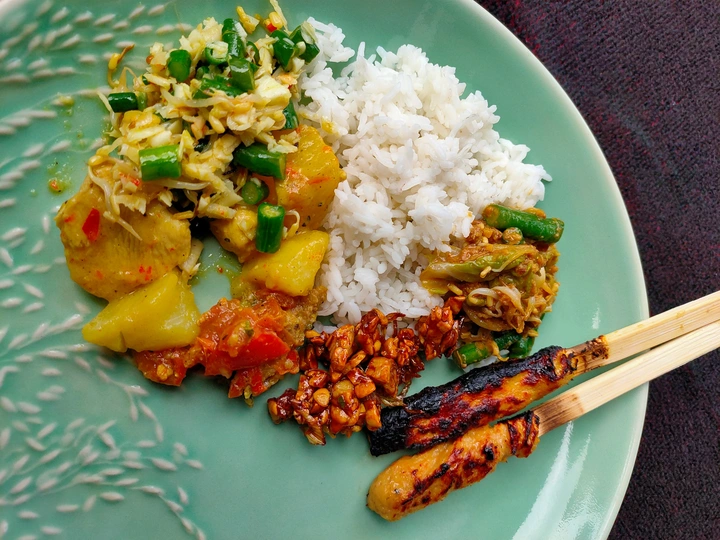
Image source: Kura-Kura Blog – East Bali Heritage Tour.
5. Finish Among the Water Gardens of Tirta Gangga
Finally, Tirta Gangga gives the journey a more peaceful ending. The former royal water garden features fountains, stone statues, ponds, greenery, and the famous stepping stones surrounded by koi.
Although many visitors come for photos, the setting deserves more than a quick stop. For instance, walk slowly through the gardens and notice how water connects the fountains, pools, sculptures, and pathways.
Meanwhile, the sound of flowing water creates a different atmosphere from the earlier palace stops. As a result, Tirta Gangga works well as the final chapter of a Royal Karangasem day.
Image source: Kura-Kura Bus / Kura-Kura Blog – Tirta Gangga Water Palace.
6. So, Is Royal Karangasem Worth the Journey?
Karangasem sits away from Bali’s busiest southern tourism areas. Therefore, visiting it requires more travel time than a short trip around Kuta, Seminyak, or Sanur.
However, that distance also changes the experience. Instead of another busy shopping or beach day, you get royal landmarks, countryside, local agriculture, and peaceful water gardens in one route.
So, is it worth visiting? It makes sense for travelers who enjoy cultural history, architecture, photography, gardens, and slower sightseeing. On the other hand, travelers who mainly want beaches, nightlife, or a short half-day outing may prefer a different itinerary.
Who Will Enjoy Royal Karangasem Most?
Culture Lovers
Explore royal architecture and learn how Karangasem’s history appears across several landmarks.
Photographers
Find ponds, bridges, traditional buildings, gardens, countryside, and water features throughout the day.
Repeat Bali Visitors
Discover a quieter region after exploring Bali’s more familiar southern and central areas.
Tips Before Visiting Royal Karangasem
- Start with enough time: East Bali requires a longer drive, so avoid adding too many extra stops.
- Wear comfortable shoes: you will spend time walking through palace grounds and gardens.
- Bring sun protection: many areas have open outdoor spaces.
- Keep your camera ready: however, take time to enjoy the setting without viewing everything through a screen.
- Respect historical spaces: these landmarks represent local heritage rather than simple photo backgrounds.
- Travel with a guide: explanations can add context to details you might otherwise overlook.
Frequently Asked Questions About Royal Karangasem
Royal Karangasem, is it worth to visit?
Yes, especially if you enjoy royal history, architecture, gardens, countryside, and cultural sightseeing. However, consider the longer travel time from South Bali when planning your day.
What can I see during a Royal Karangasem trip?
A typical heritage route can combine Taman Soekasada, Puri Agung Karangasem, Sibetan Village, and Tirta Gangga.
Is Royal Karangasem only about palaces?
No. Although royal heritage forms an important part of the journey, Sibetan Village also introduces rural life and local agriculture.
Is Tirta Gangga part of Karangasem’s royal heritage?
Yes. The Karangasem royal family created Tirta Gangga as a royal water garden. Today, visitors know it for its pools, fountains, statues, stepping stones, and koi ponds.
How much time should I allow?
Plan for a full-day experience. Because Karangasem lies in East Bali, transportation can take a significant part of the day.
Can I visit these places without arranging everything myself?
Yes. For example, Kura-Kura Bus offers a Royal Karangasem Heritage Tour that combines the main stops with transportation and a licensed guide.
See Another Side of Bali in Karangasem
Royal Karangasem offers more than one beautiful palace. Instead, the journey connects royal history, gardens, village life, local food, and the landscapes of East Bali.
Therefore, if you want a slower cultural day away from Bali’s busiest areas, Karangasem can add a very different chapter to your holiday.
View Royal Karangasem Heritage Tour Explore Shuttle Bus