
Bali is famous for beaches, temples, rice terraces, and beautiful sunsets But if you want to understand the island beyond its scenery, one of the most rewarding experiences is to watch a cultural show Balinese dance performance.
A Balinese dance show is more than an evening of entertainment. Through expressive movements, colorful costumes, rhythmic chanting, traditional music, and ancient stories, performers introduce visitors to an important part of Bali’s cultural identity.
From the dramatic Kecak Dance to the mystical Sanghyang Dance and spectacular Fire Dance, a cultural performance can turn an ordinary evening in Bali into a memorable journey through mythology and tradition.
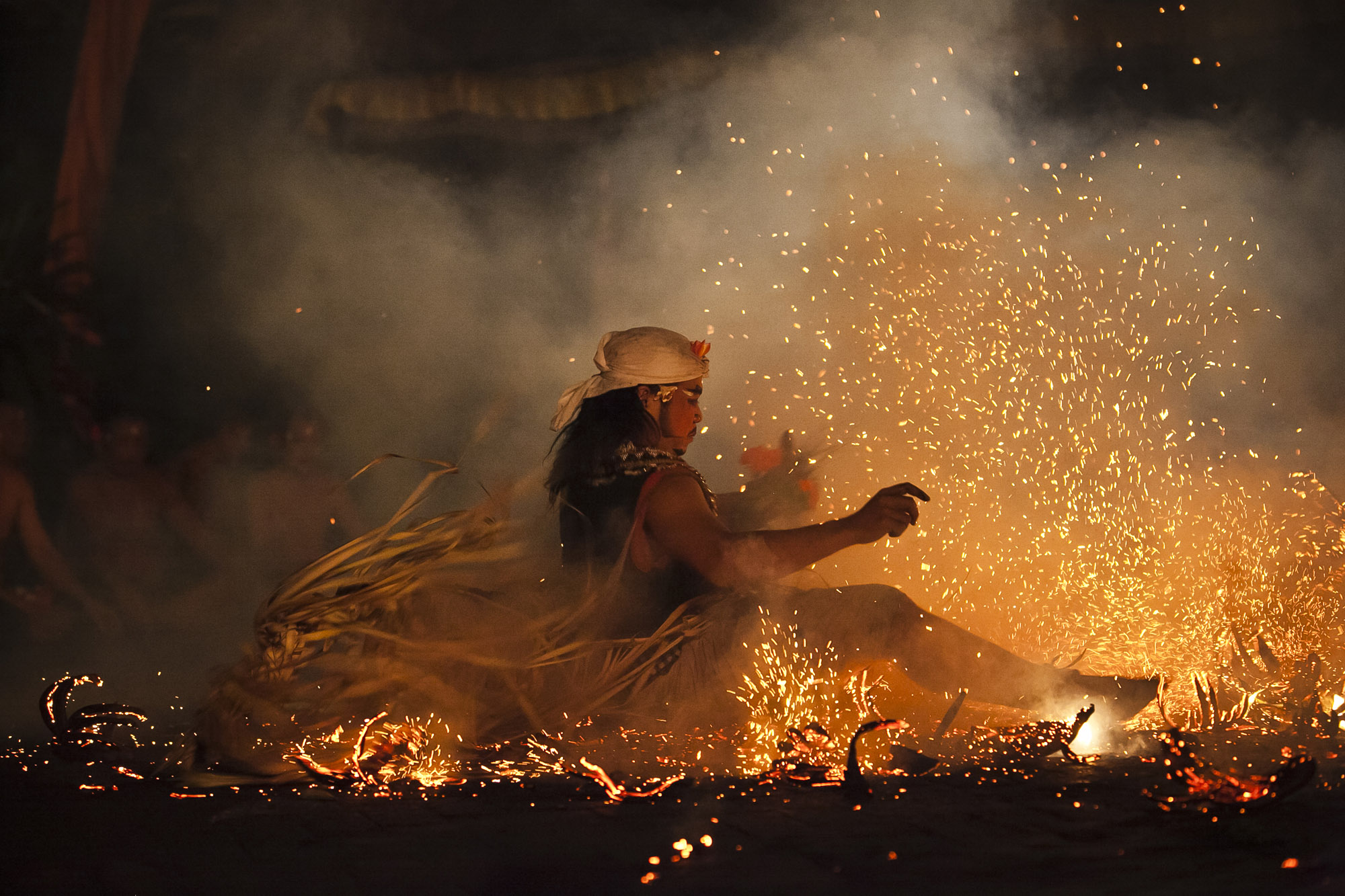
Why Watch a Cultural Show Balinese Dance Performance?
Many travelers discover Bali through its natural attractions. They visit beaches during the day, explore waterfalls, walk through rice fields, or watch the sunset from a temple. A traditional dance performance offers something different: an opportunity to experience Bali through storytelling and performing arts.
Instead of simply looking at an ancient temple or historic landmark, you can see stories inspired by Balinese beliefs and Hindu mythology performed directly in front of you.
This is one reason a cultural show Balinese dance experience can be especially interesting for first-time visitors. You do not need to be an expert in Balinese culture to appreciate the colors, music, expressions, and dramatic atmosphere.
Balinese Dance Is Storytelling Through Movement
Traditional Balinese dance uses much more than choreography. Facial expressions, hand positions, eye movements, costumes, music, and body movements can all contribute to the story being performed.
Many performances draw inspiration from Hindu epics such as the Ramayana and Mahabharata, while others explore Balinese folklore, spiritual traditions, or the symbolic relationship between good and evil.
This makes watching a dance performance different from attending a conventional stage show. The performers are not simply dancing to music; they are communicating characters, emotions, conflicts, and cultural ideas.
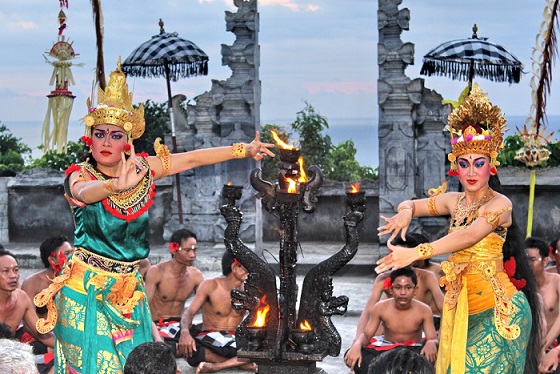
Kecak Dance: The Sound of Bali Without a Traditional Orchestra
Among Bali’s many performances, the Kecak Dance is one of the most recognizable. Unlike many Balinese dances that are accompanied by gamelan instruments, Kecak creates much of its rhythm through the voices of a large male chorus.
The performers sit together in a circle and create a repeated vocal rhythm while the story unfolds around them. The unusual sound immediately gives the performance a powerful atmosphere.
The story is connected to the Ramayana, including the journey of Prince Rama, Princess Sita, and the struggle against the demon king Ravana. The appearance of Hanuman and the dramatic fire sequence add another layer to the performance.
Kecak is particularly famous at Uluwatu, where the performance can be combined with views of the Indian Ocean and sunset. Kura-Kura Bus also features a dedicated Uluwatu Sunset Kecak Dance experience for travelers who want to combine culture with one of Bali’s famous sunset settings.
Beyond Kecak: Discover Different Styles of Balinese Dance
Kecak may be the dance many international visitors recognize first, but it is only one part of Bali’s performing-arts tradition.
Depending on the venue and program, visitors may encounter performances such as Barong, Keris, Legong, Pendet, or Sanghyang. Each has its own movements, characters, atmosphere, and cultural background.
Barong and Keris Dance
Barong performances are known for their dramatic presentation of the struggle between Barong and Rangda. The performance combines elaborate characters, theatrical action, and spiritual symbolism.
Legong Dance
Legong is associated with graceful and highly controlled movements. Detailed hand gestures and expressive eye movements create an elegant performance that highlights the precision of classical Balinese dance.
Sanghyang Dance
Sanghyang has a more ritual-oriented character and is associated with spiritual and protective traditions. Seeing it as part of an evening cultural program can provide visitors with a different perspective on Bali’s relationship between performance, belief, and ceremony.
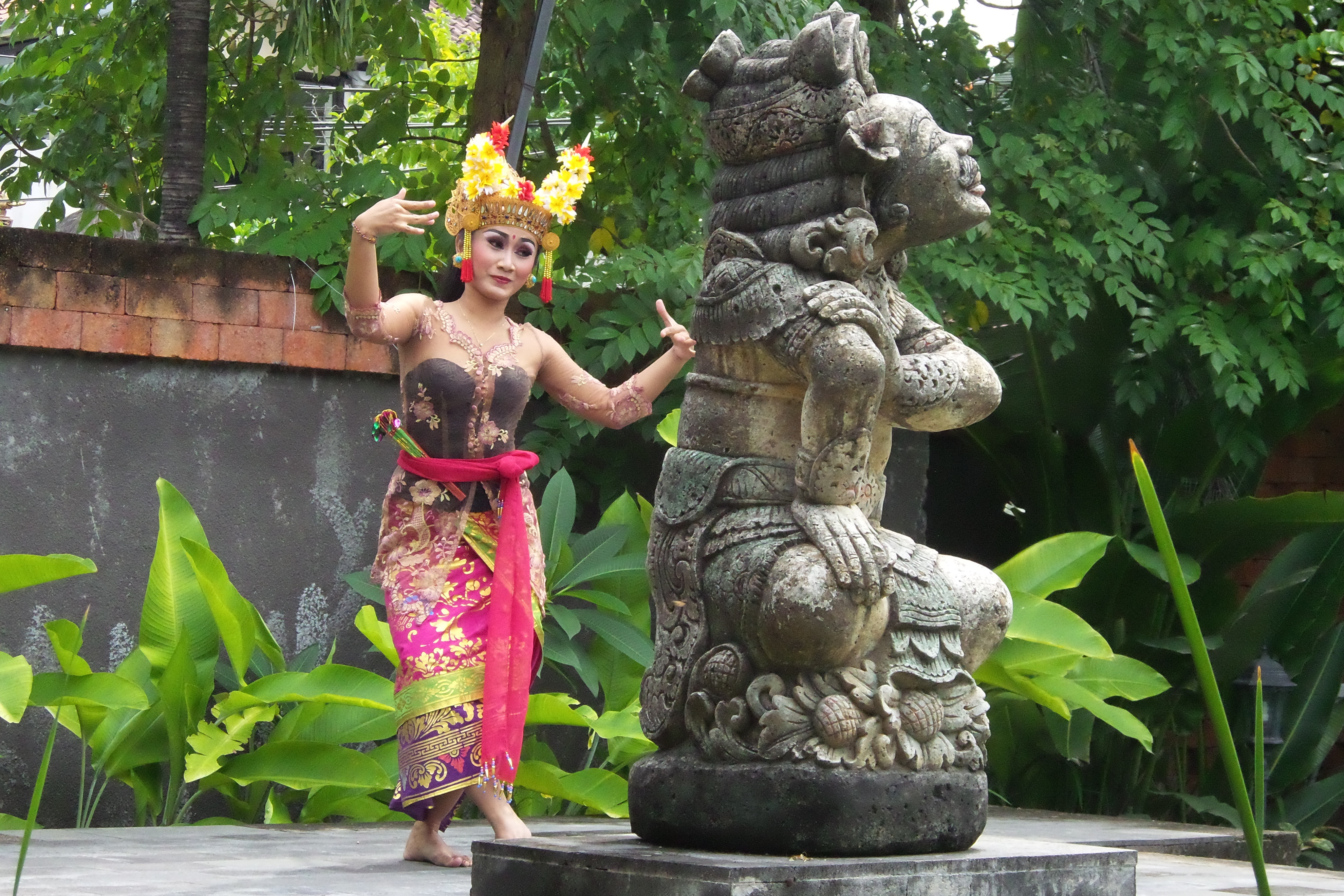
Why Batubulan Is Worth Adding to Your Bali Itinerary
If your goal is to experience a traditional cultural show, Batubulan is an interesting place to consider. The village is well known for traditional arts and dance performances, making it a natural destination for travelers who want to experience Bali’s cultural side.
Kura-Kura Bus offers an Evening of Bali Traditional Dance tour in Batubulan. The experience combines several forms of performance, including Sanghyang Dance, Kecak Dance, and a Fire Dance finale.
The tour is designed as an evening cultural experience, with return hotel transportation and a licensed English-speaking guide included. This can be useful for travelers who would rather enjoy the performance than spend the evening arranging transportation and logistics themselves.
The official Kura-Kura Bus tour information notes that the program is suitable for couples, families, first-time visitors, and travelers interested in Balinese culture, music, and mythology.
A Cultural Evening Can Be More Than Just a Show
One of the advantages of attending a cultural performance in the evening is that it can fit naturally into a Bali travel itinerary.
You might spend the morning visiting a temple, enjoy lunch in a local area, explore Bali’s countryside during the afternoon, and then finish the day with a traditional dance performance.
Instead of treating the dance as another attraction to check off your list, take time to observe the details. Notice how the performers use their eyes and hands. Listen to the rhythm. Look at the costumes and masks. Pay attention to how the story changes as the performance develops.
Even when you do not understand every part of the story, the atmosphere can still communicate something about Bali’s artistic traditions.
Tips for Watching a Balinese Cultural Show
- Arrive early. Popular performances can become busy, so arriving before the show gives you more time to settle in.
- Learn the basic story. Knowing a little about the Ramayana or the characters involved can make the performance easier to follow.
- Respect the venue. Some performances take place in culturally or spiritually significant environments. Follow local instructions and dress appropriately when required.
- Be careful with photography. Flash photography or filming may be restricted depending on the venue.
- Choose an evening that matches your itinerary. A traditional dance show can work especially well after a day of sightseeing.
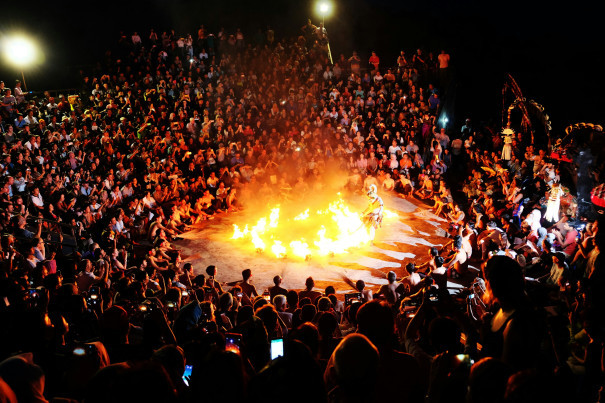
Pair Dance With Other Cultural Experiences in Bali
A cultural show does not have to stand alone. Travelers interested in Balinese traditions can build an entire day around culture and the arts.
For example, you could visit Ubud to explore its galleries and traditional craft shops before attending an evening performance. Kura-Kura Bus also offers an Ubud Evening Tour with Cultural Performance that combines time in Ubud with an evening Balinese cultural dance performance.
Another option is to explore the musical side of Balinese culture. The Discover Balinese Gamelan experience introduces visitors to traditional gamelan music, including the craft of making instruments and a hands-on session with local musicians.
Combining dance, music, food, temples, and local communities can give you a broader understanding of Bali than sightseeing alone.
What Makes a Cultural Show in Bali Memorable?
A beautiful beach may give you a great photograph, but a cultural performance can give you a story to take home.
The combination of music, movement, mythology, costumes, and atmosphere creates an experience that feels distinctly connected to the island. The performance becomes a window into traditions that have developed through generations.
This is why a cultural show Balinese dance experience deserves a place on a Bali itinerary. It offers travelers a chance to slow down, watch, listen, and experience another side of the island.
Whether you choose a dramatic Kecak performance at sunset, a traditional show in Batubulan, or an evening performance in Ubud, adding Balinese dance to your trip can make your holiday feel more connected to the culture of the destination.
Plan Your Cultural Evening in Bali
If you want to experience Balinese performing arts without making your evening complicated, explore the Kura-Kura Bus Bali tours and activities for cultural experiences, dance performances, and other ways to discover the island.
For travelers specifically looking for a traditional performance, the Evening of Bali Traditional Dance provides a convenient way to experience Balinese performance traditions in Batubulan.
