
Sorry, this entry is only available in English.
Bali has variations of temple, locally known as pura, stand among the most iconic cultural and spiritual landmarks in Indonesia. Travelers visit Bali not only for its beaches but also for its diverse temple architecture, sacred rituals, and deep-rooted Hindu traditions. From majestic mountain sanctuaries to dramatic sea temples overlooking the ocean, the variation of temples in Bali reveals the island’s spiritual identity and unique landscape. If you are searching for the best temples to visit in Bali, understanding their different types will help you design a richer and more meaningful journey.
KECAK DANCE SHOW DISCOUNT UP TO 50%: Uluwatu Kecak Dance Show
Table of Contents
ToggleHere are Variations of Temple in Bali
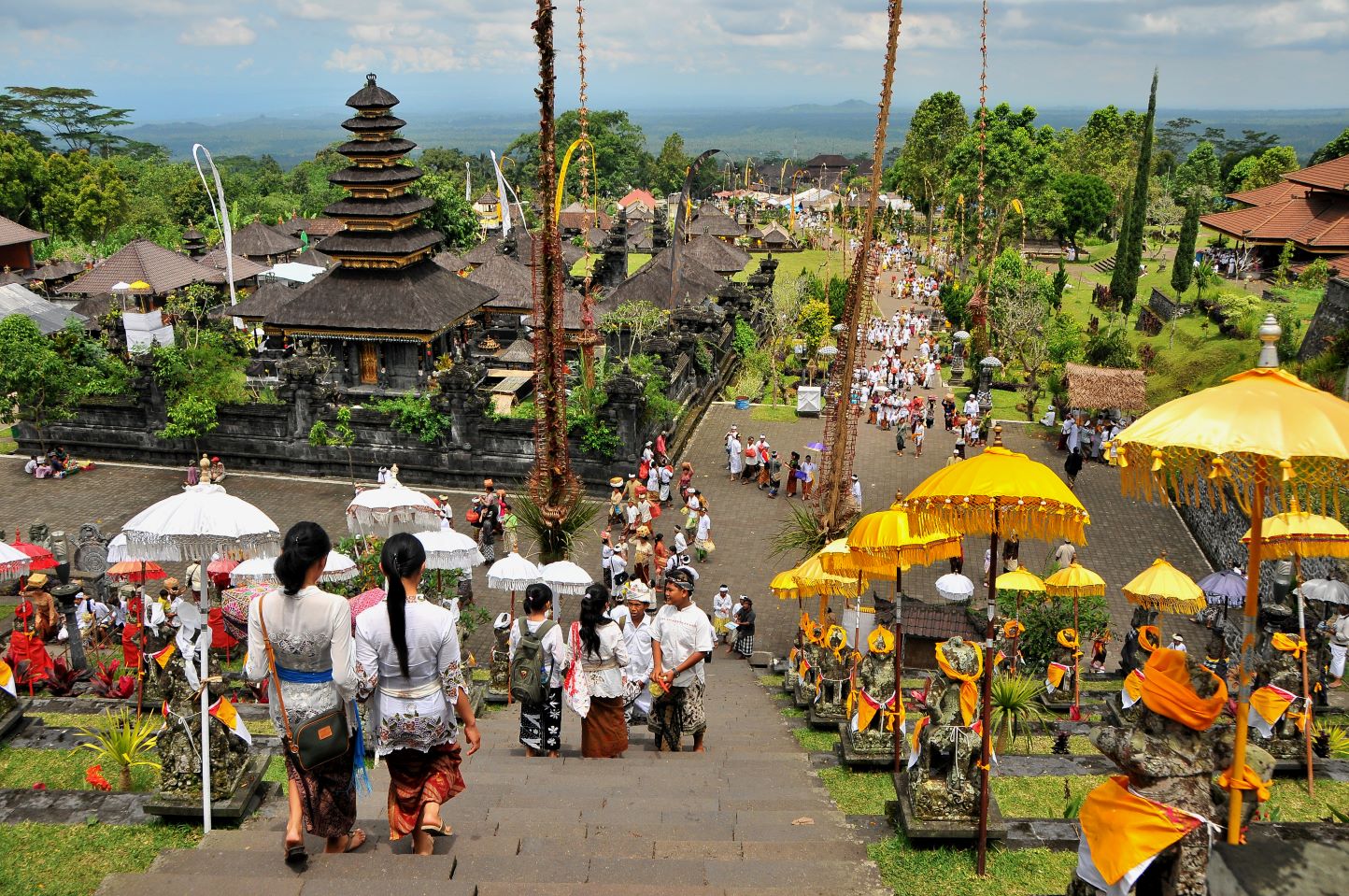
1. Mountain Temples: Sacred Guardians of the Highlands
Firstly, mountain temples symbolize purity and spiritual elevation in Balinese Hindu belief. Balinese communities build these temples on volcanic slopes because they consider mountains sacred.
Pura Besakih, known as the Mother Temple of Bali, sits on the slopes of Mount Agung and serves as the island’s spiritual center. Its towering multi-tiered meru shrines and expansive courtyards create a powerful visual and spiritual impact. When you visit a mountain temple, you experience cool highland air, panoramic views, and a peaceful atmosphere away from coastal crowds.
2. Sea Temples: Spiritual Protectors of the Coastline
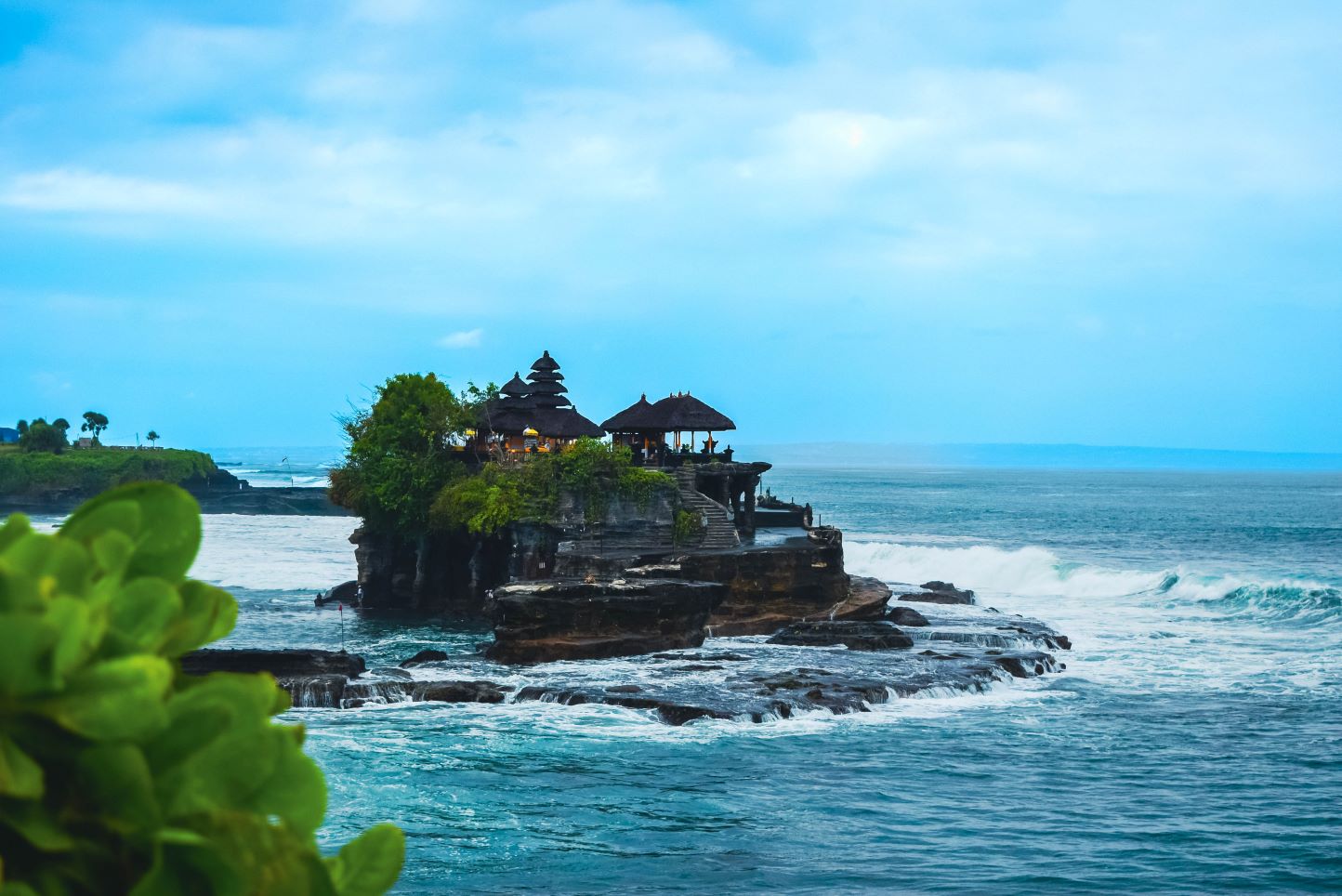
Meanwhile, sea temples protect Bali from negative forces believed to emerge from the ocean. Ancient priests strategically placed these temples along the coastline to form a spiritual defense chain around the island.
Tanah Lot rises dramatically on a rock formation surrounded by waves, making it one of Bali’s most photographed temples. Uluwatu Temple stands high on a cliff, where visitors enjoy panoramic ocean views and sunset Kecak dance performances. These temples combine spirituality, history, and scenery, making them ideal for travelers who seek culture and unforgettable landscapes in one visit.
3. Water Temples: Centers of Purification and Harmony
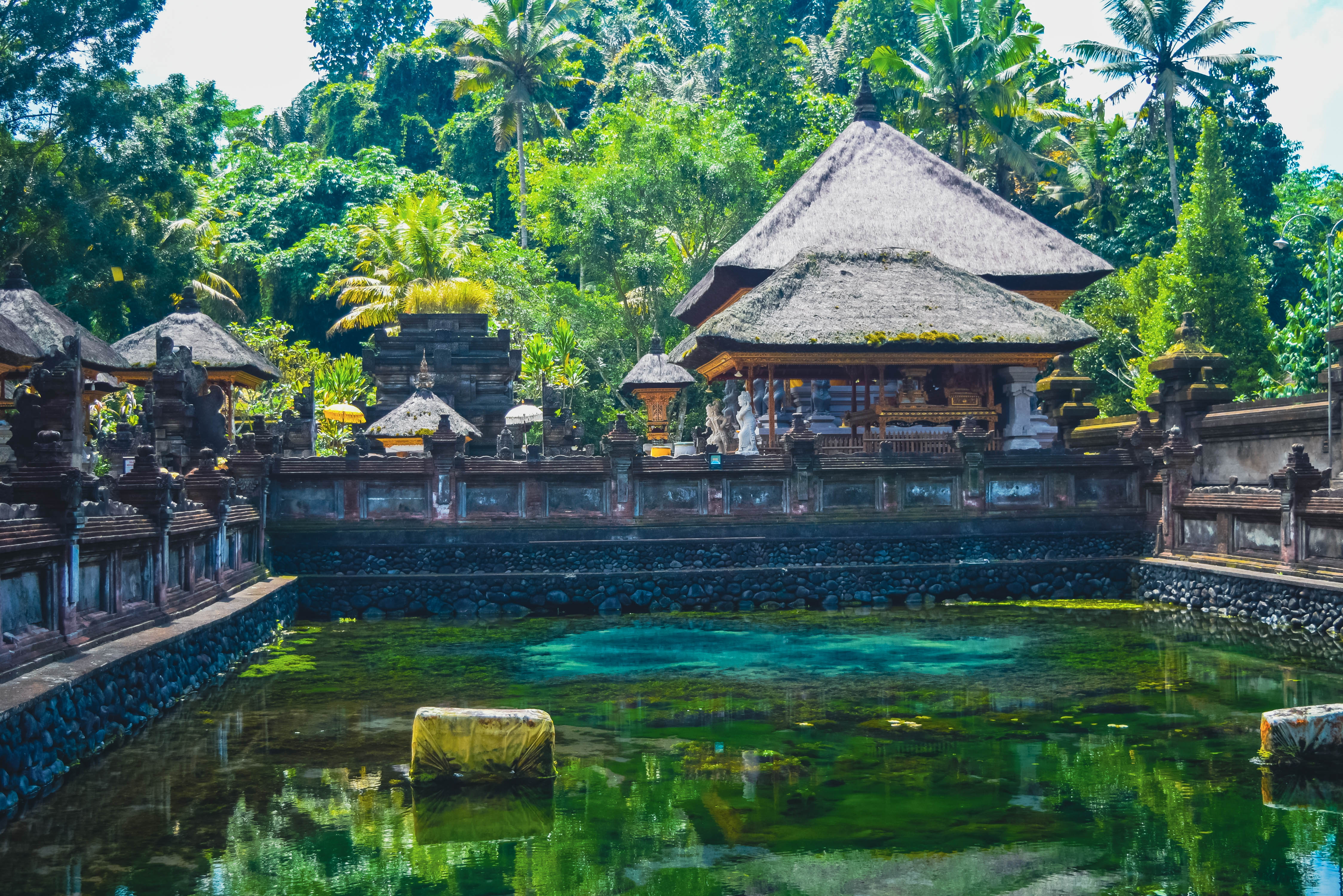
In contrast, water temples connect directly to Bali’s traditional irrigation system known as subak. Communities dedicate these temples to Dewi Danu, the goddess of lakes and rivers, and perform purification rituals there.
At Tirta Empul Temple, visitors participate in a traditional cleansing ritual using holy spring water. Ulun Danu Beratan Temple creates a striking lakeside scene that appears to float on Lake Beratan. When you explore water temples, you engage directly with living traditions instead of simply observing them.
4. Village Temples: The Heart of Daily Spiritual Life
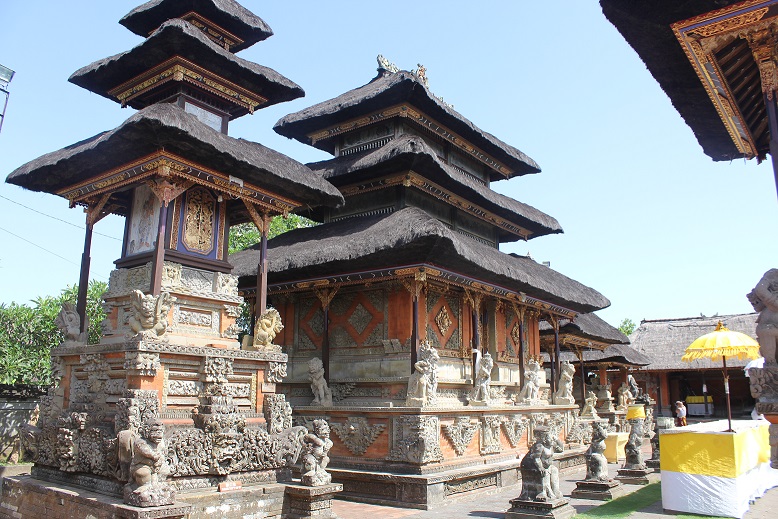
Furthermore, every traditional Balinese village maintains three main temples known as the Tri Kahyangan. These temples structure community worship and ceremonial life.
Villagers use:
Pura Puseh to honor their ancestors
Pura Desa to worship Brahma
Pura Dalem to acknowledge Shiva and the cycle of life
Although village temples may appear modest compared to larger complexes, they hold deep spiritual meaning. When you attend a ceremony, you witness authentic community life and vibrant cultural traditions.
5. Royal and Historical Temples: Architectural Masterpieces
Additionally, ancient kingdoms established several temples that showcase intricate carvings, grand gates, and impressive courtyards. Skilled artisans carved detailed mythological scenes into volcanic stone, preserving history through architecture.
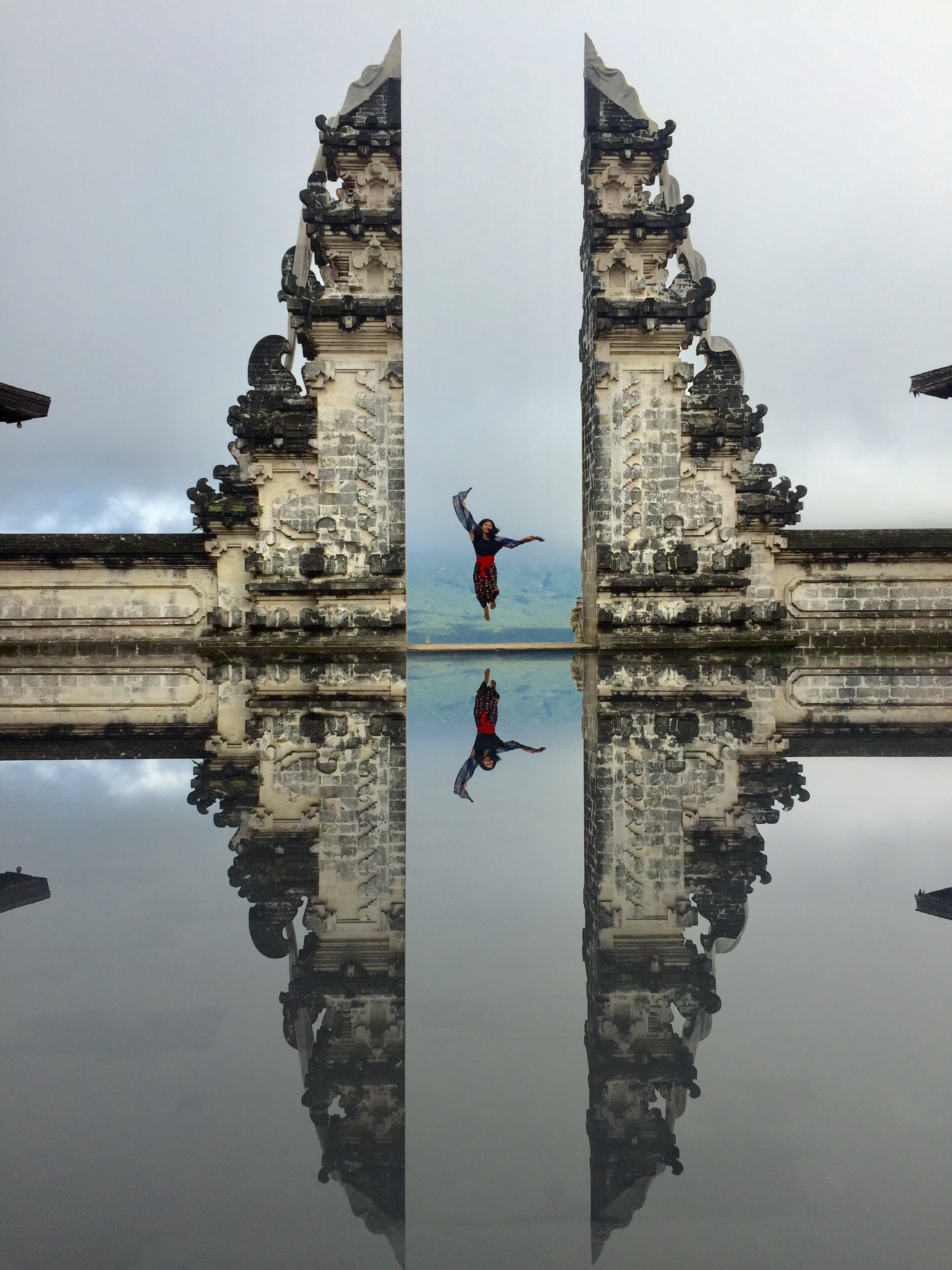
Goa Lawah attracts visitors with its sacred bat cave, while Lempuyang Temple draws travelers with its iconic “Gate of Heaven” view. These temples appeal to visitors who value history, symbolism, and dramatic photography settings.
Why Exploring Variations of Temple Enhances Your Bali Experience
Exploring various temple types allows you to understand Bali as a complete spiritual ecosystem rather than a single destination. Each temple category connects to a different element of nature: mountains, oceans, lakes, and villages.
Moreover, you can combine multiple temple types into one well-curated itinerary. For example, start your morning at a mountain temple, continue to a water temple for purification, and end your day at a sea temple during sunset. This approach transforms a standard sightseeing trip into a layered cultural journey.

Experience Variations of Temple in Bali
Bali offers more than beautiful scenery. The island invites you to step into a living spiritual landscape shaped by centuries of devotion, architecture, and tradition. Therefore, if you want a culturally rich, visually stunning, and deeply meaningful experience, explore the variation of temples in Bali and let their sacred stories guide your journey.