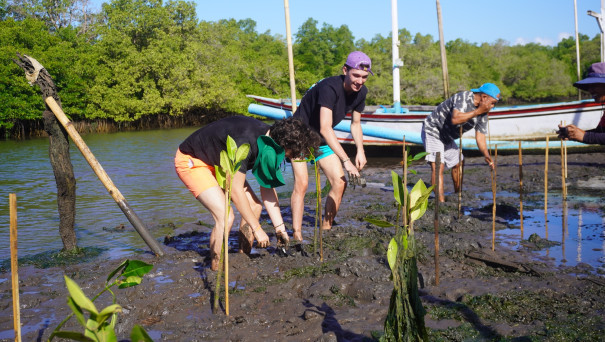
Where land and ocean intertwine, a remarkable ecosystem takes root — the mangrove forest. With tangled branches rising from salty waters, mangroves might seem ordinary at first glance. Yet beneath their still surface, they quietly protect coastlines, nurture marine life, and regulate the planet’s climate. Understanding the value of mangrove conservation means recognizing how essential these coastal forests are for both people and nature.
Why Mangroves Matter
Mangroves are one of Earth’s most productive and important ecosystems. Found in tropical and subtropical regions, they act as a natural barrier between land and sea. Their strong, interwoven roots protect coastlines from erosion, while their thick leaves store vast amounts of carbon.

These trees are also home to incredible biodiversity — from fish and crabs that use their roots as nurseries, to birds and reptiles that rely on their canopies for shelter. In fact, mangroves serve as a bridge between marine and terrestrial ecosystems, keeping both balanced and alive. Despite their quiet presence, mangroves play an outsized role in stabilizing the climate and sustaining human livelihoods. Without them, coastal communities around the world would face stronger storms, disappearing fish stocks, and faster land loss.

The Importance of Mangrove Conservation
Today, mangrove forests are disappearing at an alarming rate due to deforestation, aquaculture, and unplanned coastal development. Each loss not only affects the environment but also endangers communities that depend on mangroves for food, protection, and income.

Mangrove conservation is therefore essential — not just to restore nature, but to secure the future of coastal life. Replanting initiatives, strict protection policies, and community-based programs are helping revive damaged areas. Educating local residents and travelers about the role of mangroves is equally important, creating awareness that encourages sustainable interaction with these fragile environments.

Moreover, protecting mangroves contributes directly to global climate goals. They absorb up to five times more carbon than tropical rainforests, earning them the title of “blue carbon heroes.” In other words, saving mangroves means saving a crucial ally in the fight against climate change.

Mangrove Conservation in Bali
In Indonesia, mangrove forests cover more than 3 million hectares — the largest in the world. Among them, Bali’s mangrove ecosystem stands out as a living example of how conservation and community can work together.

The Ngurah Rai Grand Forest Park Mangrove near Benoa Bay, for instance, protects the southern coastline from erosion while serving as an educational and eco-tourism hub. Local groups, such as Mangrove Care Forum Bali, actively restore damaged areas through planting projects and waste management programs.

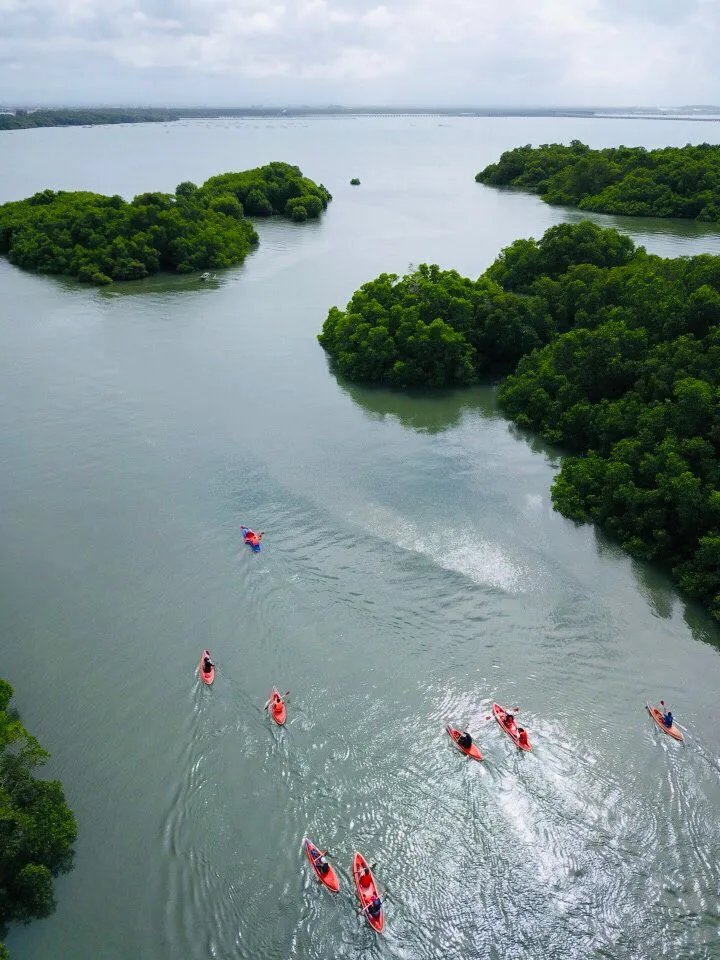
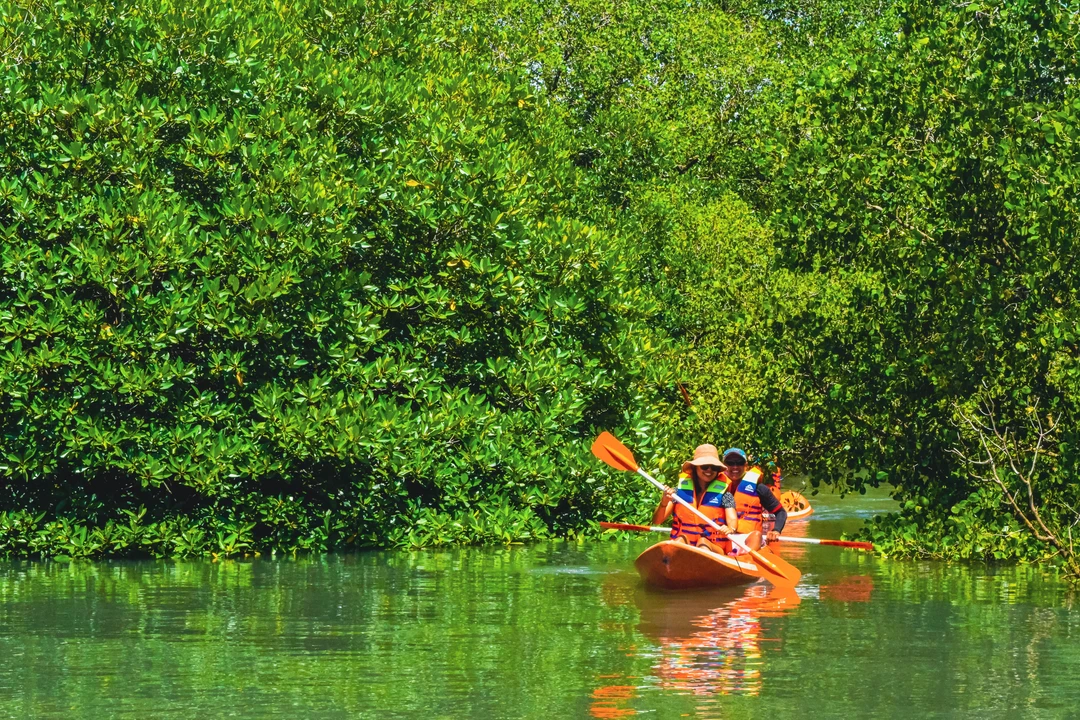
Visitors can explore these forests through eco-activities like canoeing and guided walks, which not only raise awareness but also support local conservation funding. These initiatives show that when communities and travelers work hand in hand, mangrove conservation becomes more than protection — it becomes participation.
A Shared Responsibility
Whether in Bali or beyond, mangroves remind us of the balance that sustains life on Earth. They show how deeply connected we are to nature — every root holding soil, every branch filtering air, every leaf supporting life.

The success of mangrove conservation depends on collective action: from governments enforcing protection, to local communities managing resources, and travelers choosing responsible tourism. Together, these small acts create lasting change, ensuring that the roots of the sea will continue to protect us for generations to come.