
Snorkeling in Labuan Bajo: Best Spots, Tours and Safety Tips
Compare popular snorkeling sites around Komodo National Park, understand currents and wildlife expectations, and choose a trip that matches your experience and available time.
Snorkeling in Labuan Bajo is one of the most memorable ways to experience the reefs, tropical fish, sea turtles and open-water wildlife around Komodo National Park. Most famous sites are reached by boat from Labuan Bajo rather than directly from the town beach.
Best Snorkeling Spots Near Labuan Bajo
The best site is not simply the most famous one. Your swimming ability, weather, tide, current, boat route and guide’s local assessment should determine where you enter the water.
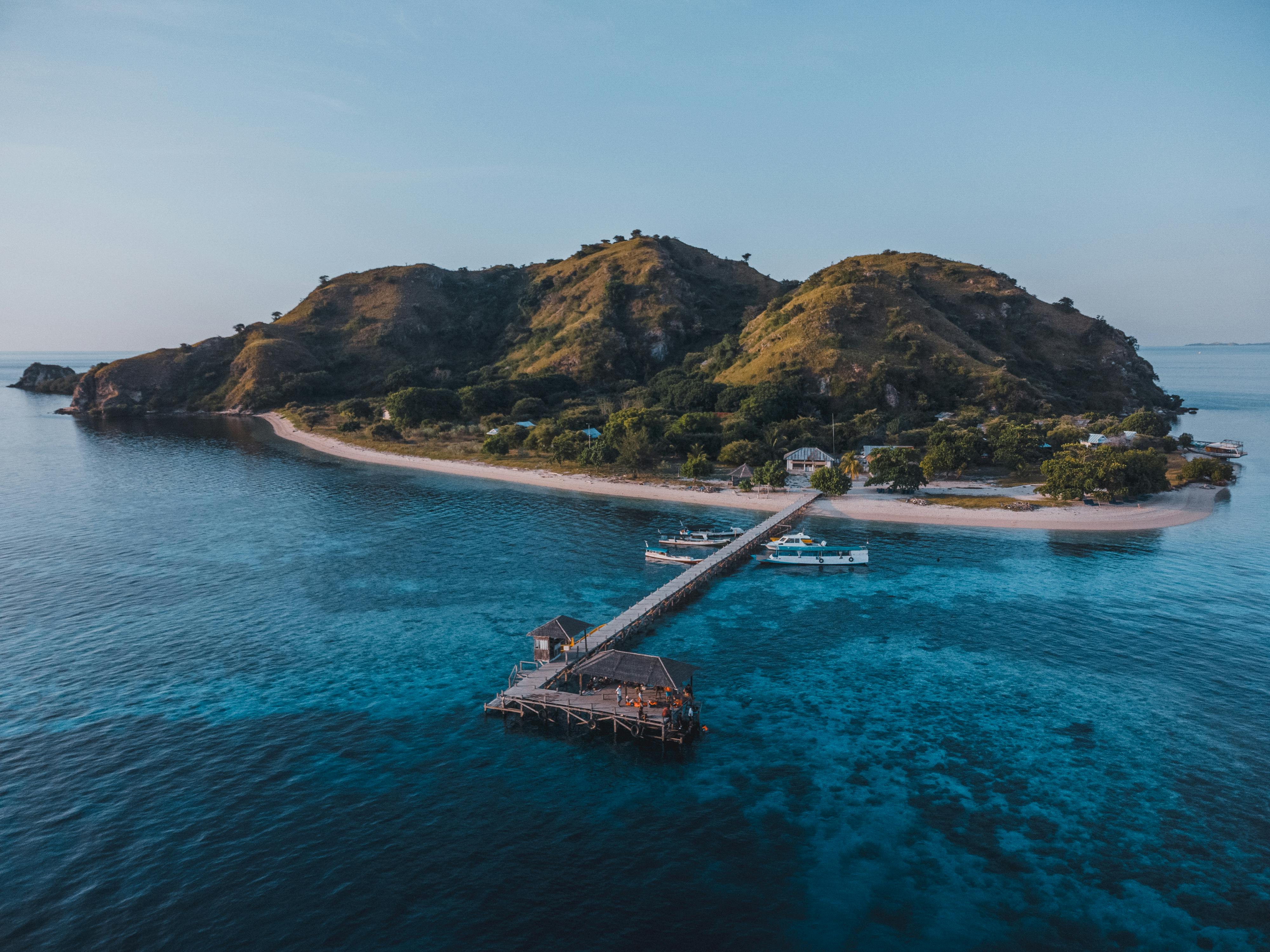
1. Kanawa Island
Kanawa is known for a white-sand shoreline and reefs accessible from shallow water. When the sea is calm and the designated entry area is suitable, it can be a comfortable introduction for travelers building confidence.
Do not stand on coral, and ask the crew which section is appropriate on the day. Boat traffic and local conditions can affect where snorkeling is allowed.
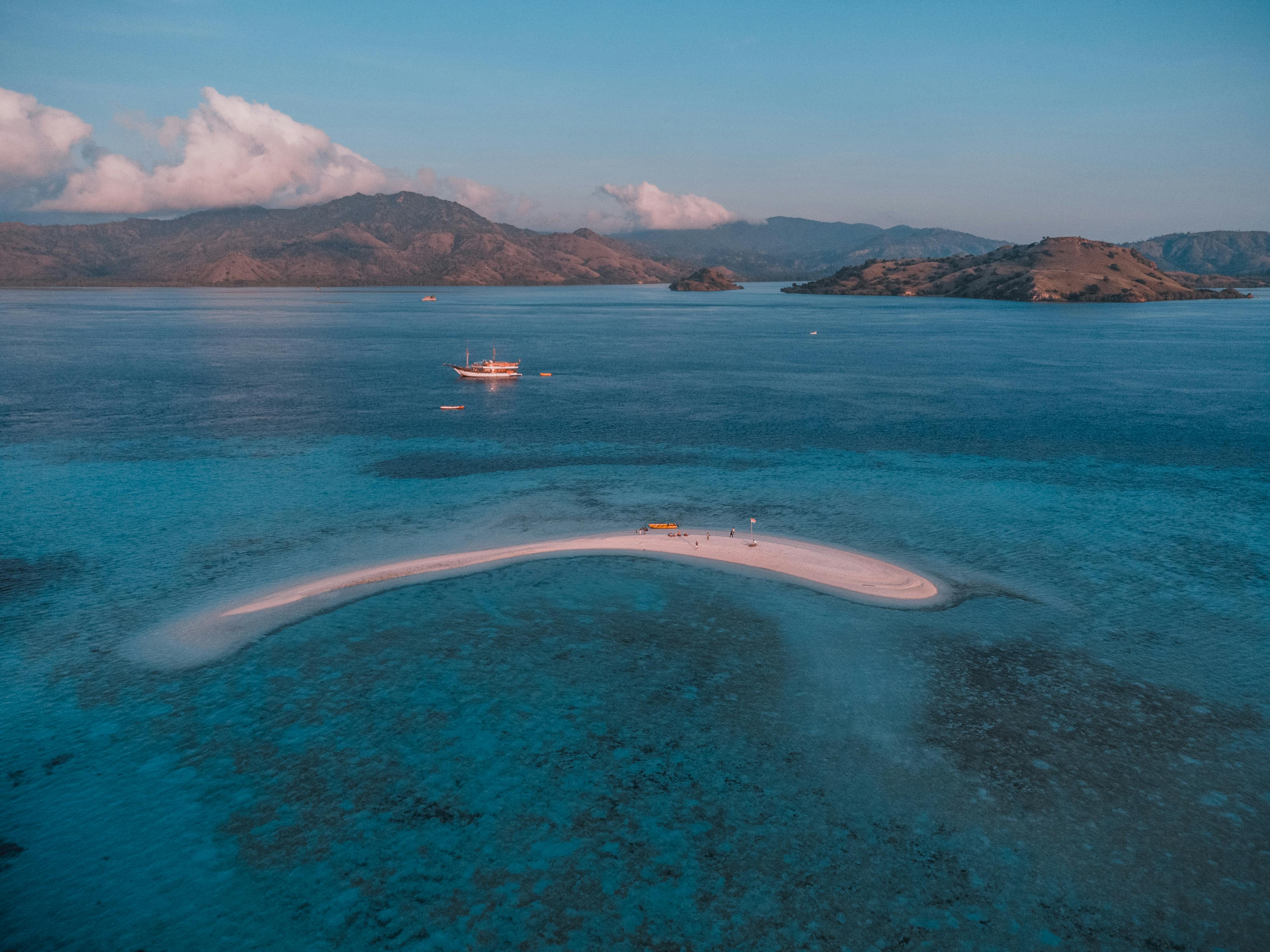
2. Taka Makassar
This small sandbank is surrounded by bright, shallow water and is frequently included in longer Komodo routes. The scenery is a major attraction, while snorkeling conditions can vary around the sandbank.
Currents may be present even when the surface looks calm. Enter only where instructed, remain close to the guide and use a flotation device if recommended.

3. Pink Beach
Pink Beach combines an unusual shoreline with reef areas that may be explored during a Komodo Island route. Sheltered sections can be suitable for relaxed snorkeling, depending on the tide, current and boat operator’s designated zone.
Keep sand and coral fragments on the beach. Removing natural material damages the site and is not responsible visitor behavior.
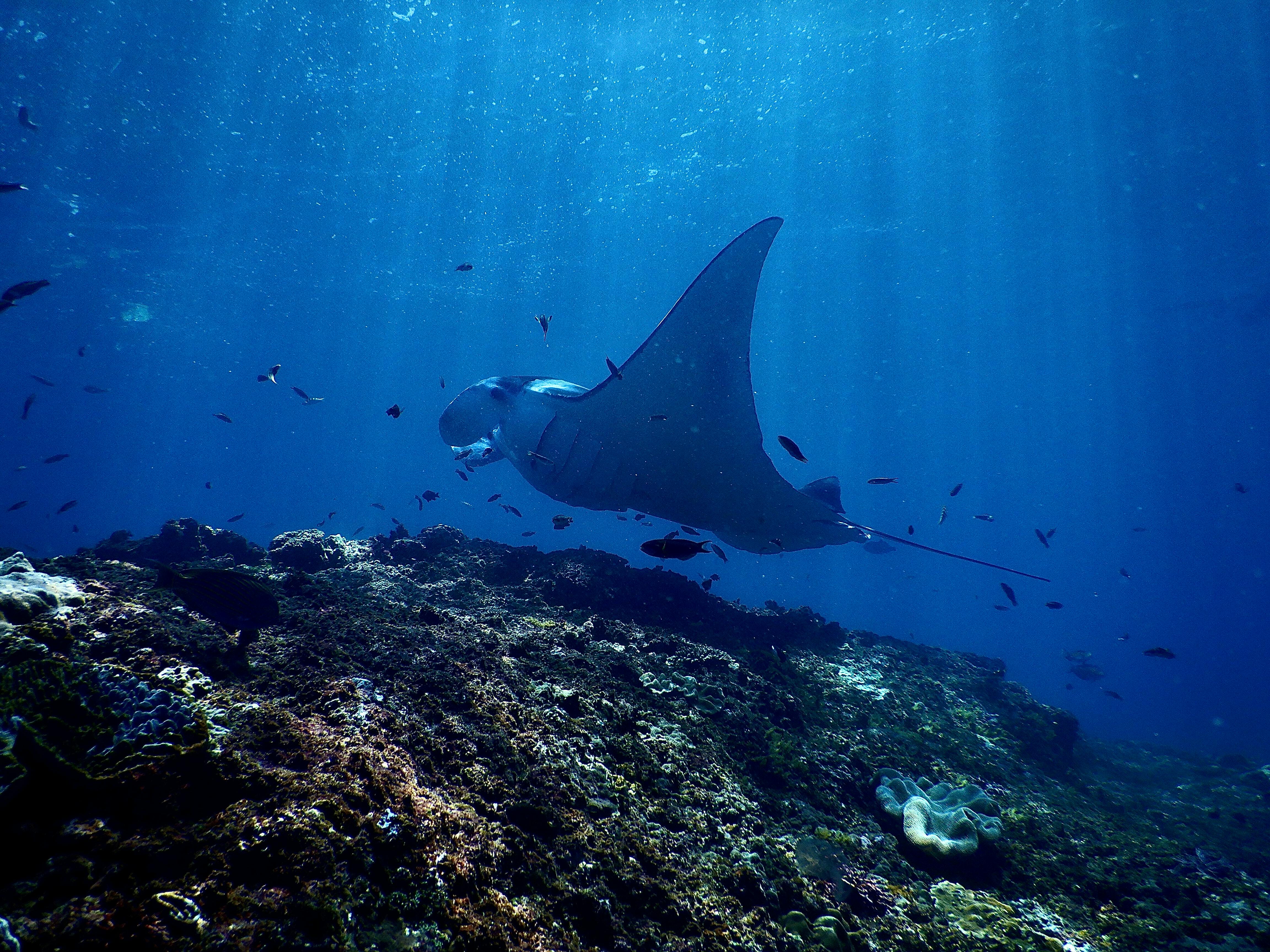
4. Manta Point
Manta Point offers the possibility of seeing reef manta rays near the surface. Sightings are natural encounters and are never guaranteed. The site can involve current, open water and moving boats, so it may not be appropriate for every traveler.
Follow the guide, keep a respectful distance, never chase or touch a manta, and avoid blocking its direction of travel.
Which Snorkeling Spot Is Right for You?
| Spot | Known for | Typical suitability | Key consideration |
|---|---|---|---|
| Kanawa Island | Shallow reef and beach | Beginners when calm | Use the crew’s approved entry area |
| Taka Makassar | Sandbank and turquoise water | Ability depends on conditions | Changing current around the bank |
| Pink Beach | Pink sand and reef stop | Beginners in sheltered areas | Tide, reef depth and designated zone |
| Manta Point | Possible manta encounters | Confident swimmers | Current, open water and no sighting guarantee |
Suitability is a general guide, not a live assessment. Always follow the operator’s instructions on the day.
When Is the Best Time to Snorkel in Labuan Bajo?
Snorkeling is offered at different times of year, but no month guarantees calm water, high visibility or manta sightings. Drier periods are often preferred for island trips, while rain, wind and rougher seas may affect some operating days during wetter periods.
Conditions can change within hours and differ between the harbor, central Komodo and exposed sites. Choose the date as part of your wider itinerary, then rely on the captain’s current route and safety decision. For seasonal planning, read the best time to visit Labuan Bajo.
Half-Day or Full-Day Snorkeling Tour?
Half-Day Trip
Best for travelers with limited time who are comfortable visiting fewer, generally closer sites. The exact stops depend on the operator, vessel, weather and departure time.
Full-Day Trip
Best for combining snorkeling with farther islands, viewpoints or a ranger-led Komodo visit. It offers more variety but requires an early start and a longer day at sea.
Questions to Ask Before Booking
- Which stops are planned, and which are subject to conditions?
- Is an in-water snorkeling guide included?
- Are mask, snorkel, fins and flotation devices provided?
- Are national park and local fees included in the price?
- What boat type is used, and is there shade and a toilet?
- What is the cancellation or rerouting policy for unsafe weather?
- Is the route suitable for children or non-confident swimmers?
Most travelers should reserve at least one complete day for a marine journey. See how many days to spend in Labuan Bajo before fixing flights and hotel nights.
Snorkeling Safety in Komodo National Park
Clear water can make a site appear easier than it is. Currents are not always obvious from the boat, and fatigue can develop quickly in open water.
- Tell the crew honestly about your swimming ability and medical conditions.
- Wear a properly fitted flotation vest if you are not fully confident.
- Enter only after the guide checks the site and gives instructions.
- Stay with the group and never swim beyond the agreed boundary.
- Keep clear of propellers and approach the boat only when directed.
- Stop immediately if you feel tired, cold, anxious or short of breath.
- Do not touch coral, stand on the reef, feed wildlife or remove anything.
- Maintain distance from manta rays, turtles and other marine animals.
What to Bring for Snorkeling in Labuan Bajo
For the Water
- Comfortable swimwear
- Long-sleeved rash guard
- Well-fitting personal mask, if preferred
- Water-resistant action camera with secure strap
For the Boat
- Dry bag and change of clothes
- Hat, sunglasses and sun protection
- Reusable water bottle
- Towel and personal medication
- Motion-sickness medicine, if appropriate for you
- Cash if confirmed fees are payable locally
Check the confirmed inclusion list before packing. Equipment, towels, meals, drinks and fees vary between operators and boat types.
How to Protect the Reef and Marine Life
Responsible snorkeling is mostly about controlling your body in the water and giving wildlife space. Float horizontally, keep fins above the coral, secure loose equipment and avoid sudden movements near animals.
Do not take shells, coral or sand as souvenirs. Do not feed fish or use marine life as a prop for photographs. If you are not able to maintain buoyancy without standing, use a flotation device and stay over deeper water with your guide.
Ask About Snorkeling Options in Labuan Bajo
Share your preferred date, number of guests, swimming ability and available time. Our team can help you check suitable options and current arrangements.
Email: kura_rsv.id@jtbap.com
Frequently Asked Questions
Is snorkeling in Labuan Bajo suitable for beginners?
It can be, provided the operator chooses a sheltered site with suitable conditions and offers an in-water guide and flotation equipment. Beginners should disclose their ability before departure and should not enter a current-exposed site simply because it is included in the route.
Can I snorkel directly from Labuan Bajo town?
The best-known snorkeling sites are generally reached by boat. Some hotels or nearby islands may offer shore access, but reef quality, safety and permitted entry areas should be confirmed locally.
Can I see manta rays while snorkeling?
Manta rays may be encountered at sites such as Manta Point, but sightings are never guaranteed. Weather, current, plankton, season and natural animal movement all influence an encounter.
Is a half-day enough for snorkeling?
A half-day can work for a limited route closer to Labuan Bajo. Famous locations farther inside Komodo National Park are more commonly combined on a full-day or multi-day boat journey.
Do snorkeling tours include equipment?
Many tours provide a mask, snorkel and fins, but equipment quality, sizes, flotation devices, towels and wetsuits vary. Check the confirmed inclusion list before booking.
What happens if sea conditions are unsafe?
The operator may delay departure, change the route, replace a site or cancel the journey. Build flexibility into your itinerary and confirm the applicable policy before payment.
Are Komodo National Park fees included?
Inclusion varies by operator and package. Ask for a written breakdown of national park, ranger, activity and local charges, including any fees payable on the day.
Can non-swimmers join a snorkeling boat trip?
They may be able to remain on the boat or visit selected beaches, depending on the vessel and route. They should not enter open water unless the operator confirms appropriate support, equipment and conditions.
