
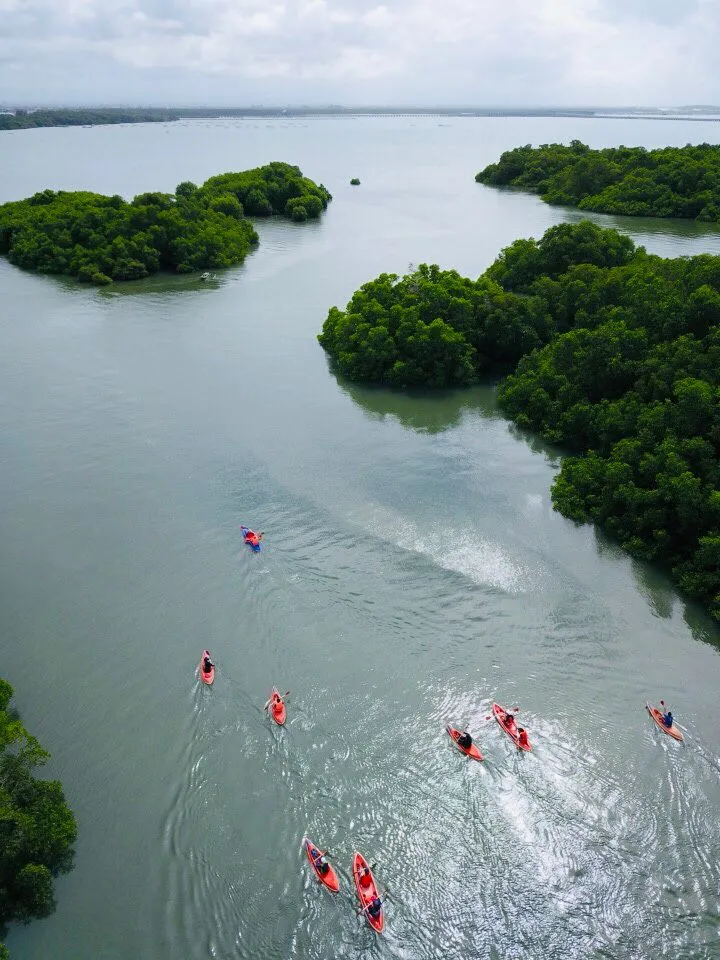
Bali is more than a beautiful destination. It is a living ecosystem closely connected to its people and culture. Travelers today can do more than simply admire the scenery—they can take part in sustainable activities that support the places they visit.
One meaningful option is mangrove planting, an activity that introduces visitors to coastal conservation while creating a direct connection with the local community.
Why Responsible Tourism in Bali Matters
With large numbers of visitors coming to Bali, natural areas face pressure from development, pollution and changing coastal conditions. Responsible tourism asks travelers to think about how their visit affects the destination.
Mangrove planting offers a practical way to contribute. Instead of only observing the landscape, participants take part in an activity connected to coastal resilience and environmental awareness.
Mangrove Planting: Small Action, Meaningful Impact
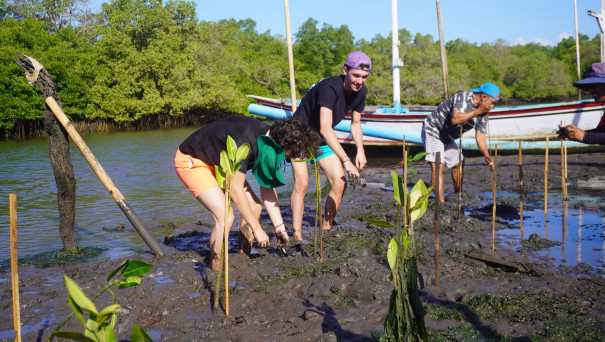
Mangrove roots help stabilize coastal areas and reduce erosion.
Mangrove ecosystems hold carbon in vegetation and coastal soils.
Mangrove waterways provide shelter and nursery habitat for many species.
Mangroves connect marine and terrestrial ecosystems.
A Real Connection with Local Communities
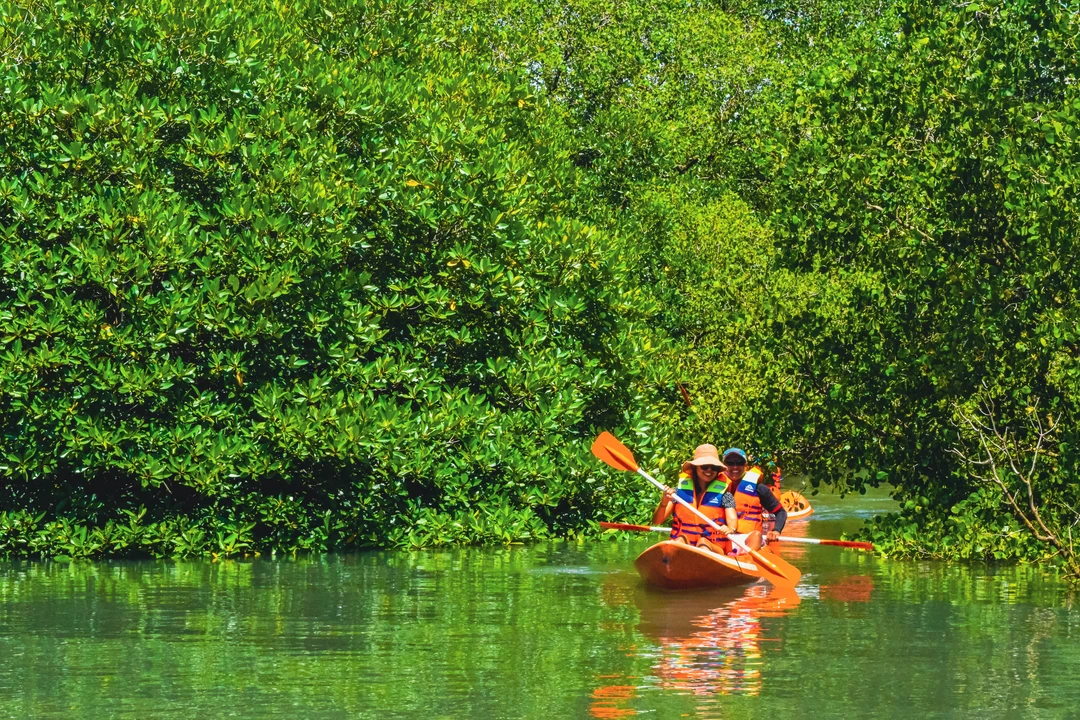
This kind of activity is more meaningful when it is built around local knowledge. Kura-Kura Bus works with Wana Segara Kertih, a community group of local fishermen involved in the mangrove environment.
The experience is not only about placing a seedling in the ground. Participants can learn why the area matters, hear local perspectives and understand more about the relationship between coastal communities and mangrove ecosystems.
How to Join the Experience
Kura-Kura Bus can help organize mangrove activities for travelers or groups. The exact program can depend on the date, group size, tide, site condition and activity format.
Round-trip arrangements can be discussed based on the group’s hotel and program.
Activities can include support from community members familiar with the mangrove area.
Participants can learn about mangroves and their role in Bali’s coastal ecosystem.
Documentation and additional program elements can be discussed depending on the activity.
What to Bring
- Clothes you do not mind getting muddy.
- Comfortable footwear suitable for wet or muddy ground.
- Reusable water bottle.
- Sun protection and mosquito repellent.
- A willingness to learn from the local community and environment.
From Visitor to Steward of the Island
Sustainable travel in Bali is not only about reducing impact. It can also mean learning, contributing and making a trip more connected to the destination.
When travelers join a mangrove planting activity, the value comes from understanding the ecosystem, working alongside local people and leaving with a stronger sense of responsibility toward the places they visit.
Interested in Mangrove Planting in Bali?
Send us your preferred date, number of participants, hotel area and group type. For corporate or educational groups, include your CSR or sustainability objective.
WhatsApp: +62 812-3729-3689
Email: kura_rsv.id@jtbap.com
