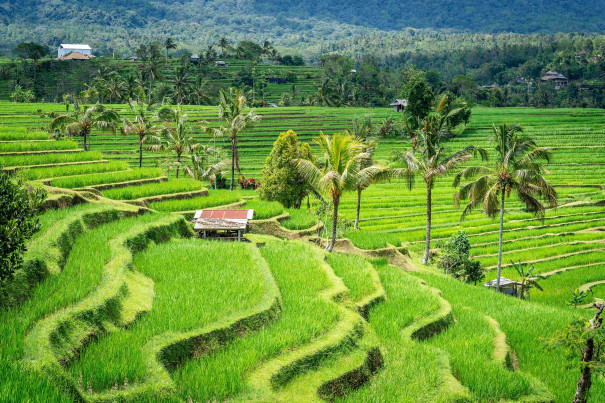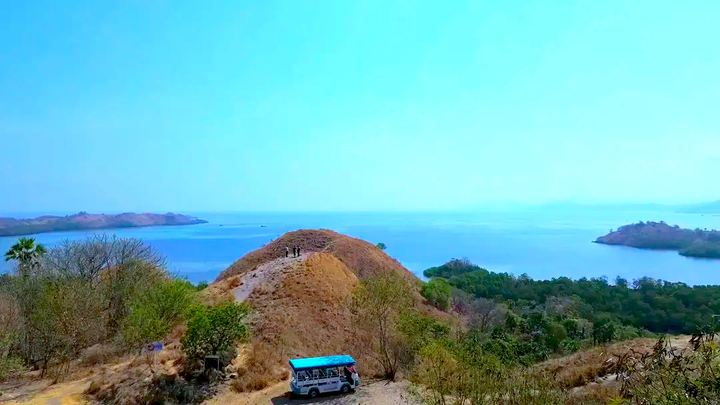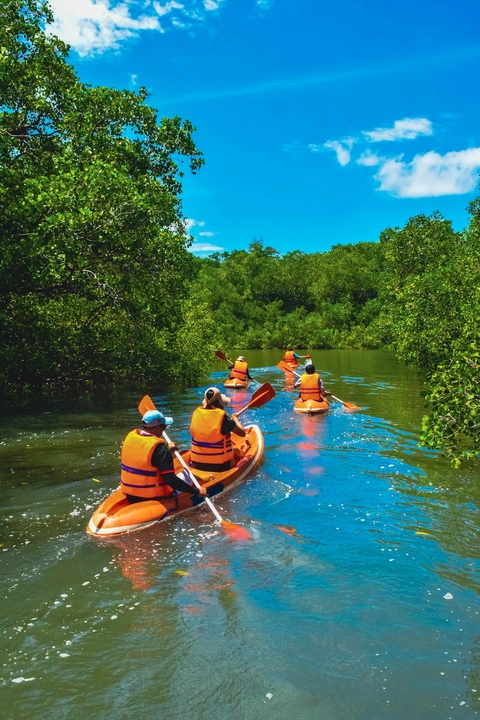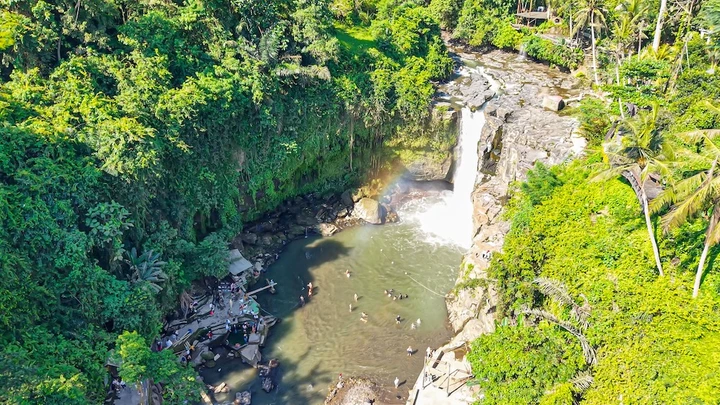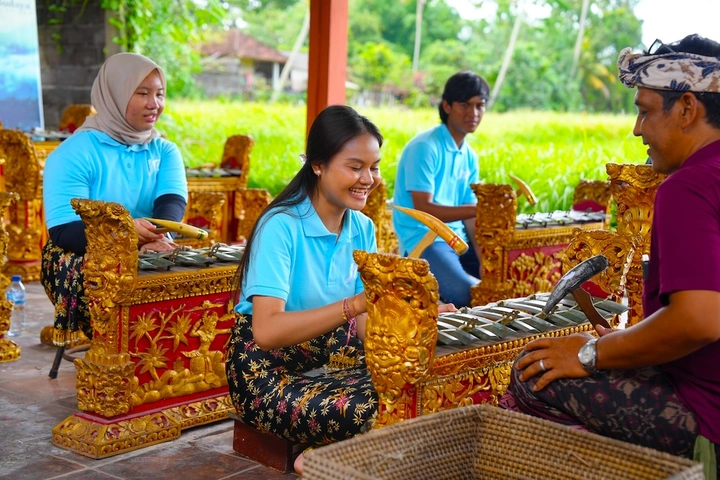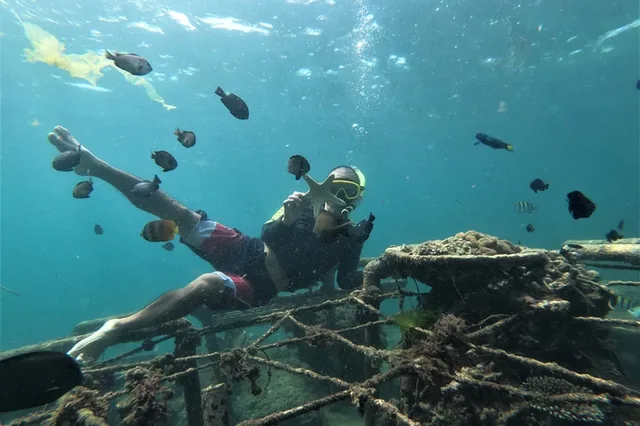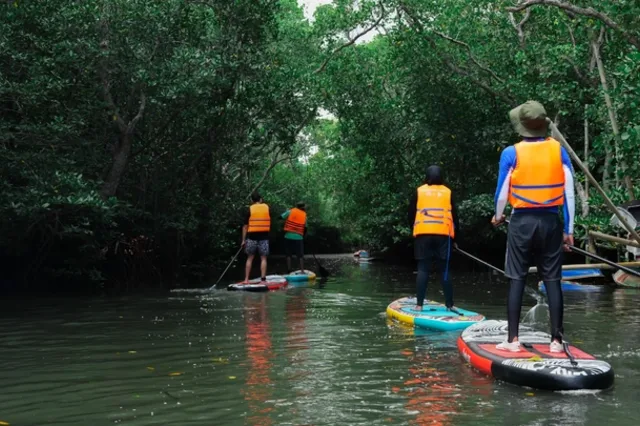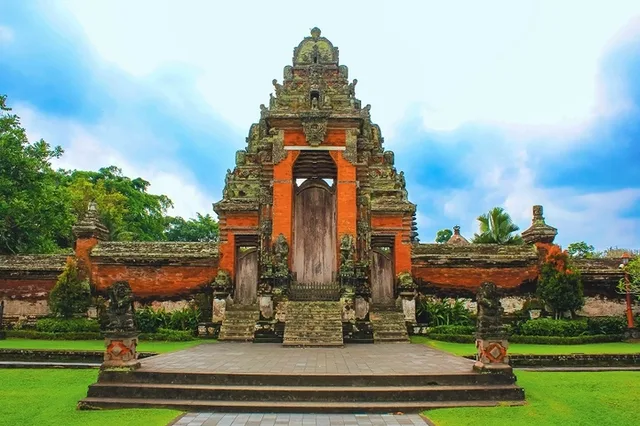
Sustainability becomes easier to understand when it moves beyond a presentation slide. A student who plants a mangrove seedling, separates waste, helps prepare meals from rescued ingredients, or speaks with a farmer encounters environmental and social questions in a form that can be seen, touched, discussed, and remembered.
JTB Indonesia’s Sustainability in Action programme brings that principle into educational travel. The aim is not to turn a short visit into a claim that students have “solved” a complex problem. It is to create structured experiences through which they can observe local conditions, participate in practical work, meet people already engaged in long-term action, and reflect on how travel itself creates impacts.
This guide explains the programme areas presented in JTB Indonesia’s partner proposal, the operational actions behind them, the reported impact figures and their dates, and the questions schools, universities, agents, and partner organisations should discuss before building a sustainability activity into a Bali itinerary.
From educational travel to experiential learning
Travel can make a subject immediate. Coastal ecology is different when students stand in tidal ground and see how a seedling must be positioned. Waste becomes less abstract when packaging is sorted by material and contamination. Food loss becomes a social question when edible surplus is transformed into meals rather than discarded.
But activity alone is not automatically learning. A strong programme needs preparation before participation, explanation at the site, and reflection afterwards. Students should know what problem the activity addresses, what its limitations are, how local partners work when visitors are absent, and what behaviour can continue after the trip.
The role of the travel organiser is therefore broader than transport. It includes matching a group with an appropriate partner, setting realistic expectations, coordinating safety and timing, and ensuring the experience respects the community or environment involved.
Sustainability begins with operations
An educational programme loses credibility if the organiser speaks only about student behaviour while ignoring its own operations. The proposal therefore begins with actions taken by JTB Indonesia itself.
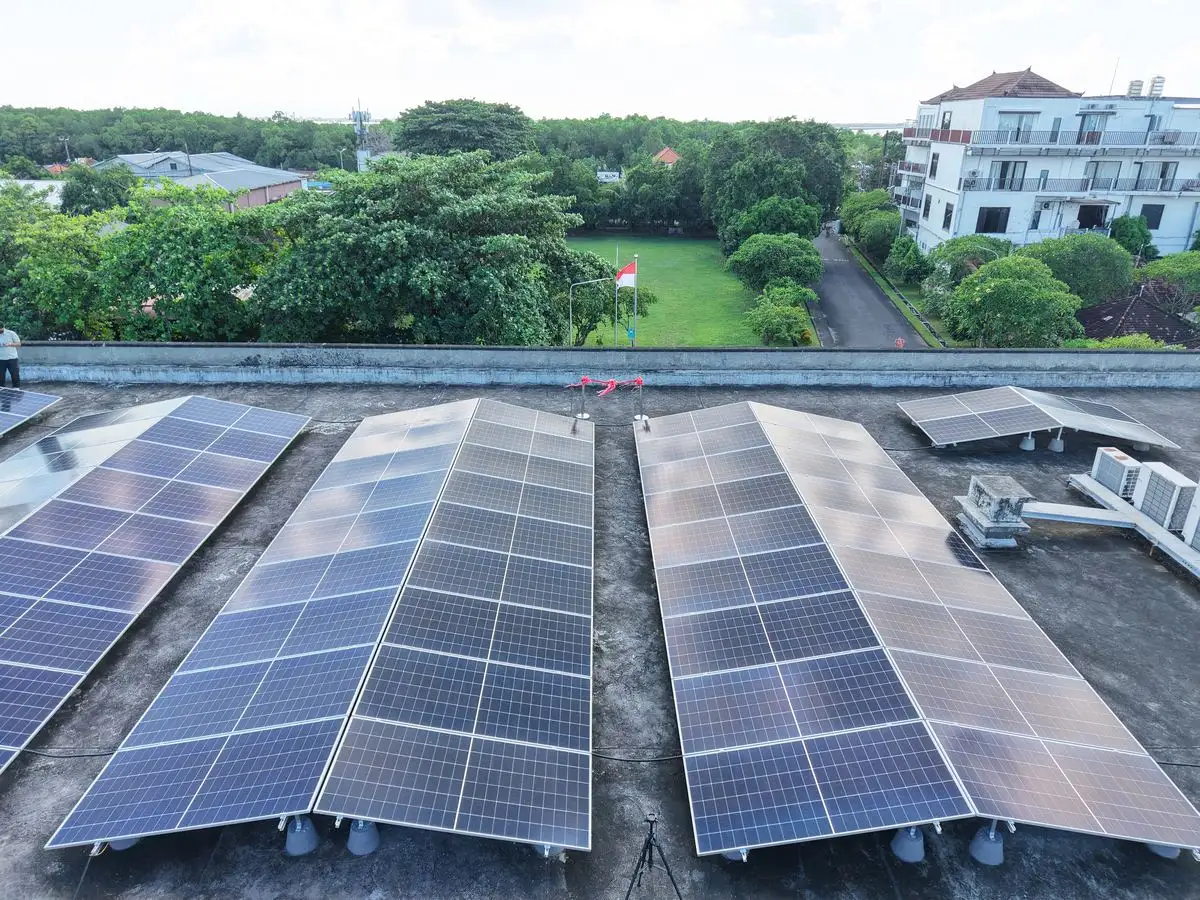
Solar panels have been in operation since March 2026. Two electric vehicles were introduced during 2026. Used cooking oil is collected in collaboration with Noovoleum for circular resource use. Teams separate organic and recyclable waste, while Teba Modern provides a practical approach to organic-waste management. Run for Nature connects a public community event with mangrove conservation.
These actions do not make travel impact-free. Solar generation does not remove every emission, electric vehicles still depend on energy and material systems, and waste sorting is effective only when collection and processing continue downstream. Their value lies in turning organisational commitments into visible operational steps that can be measured, reviewed, and improved.
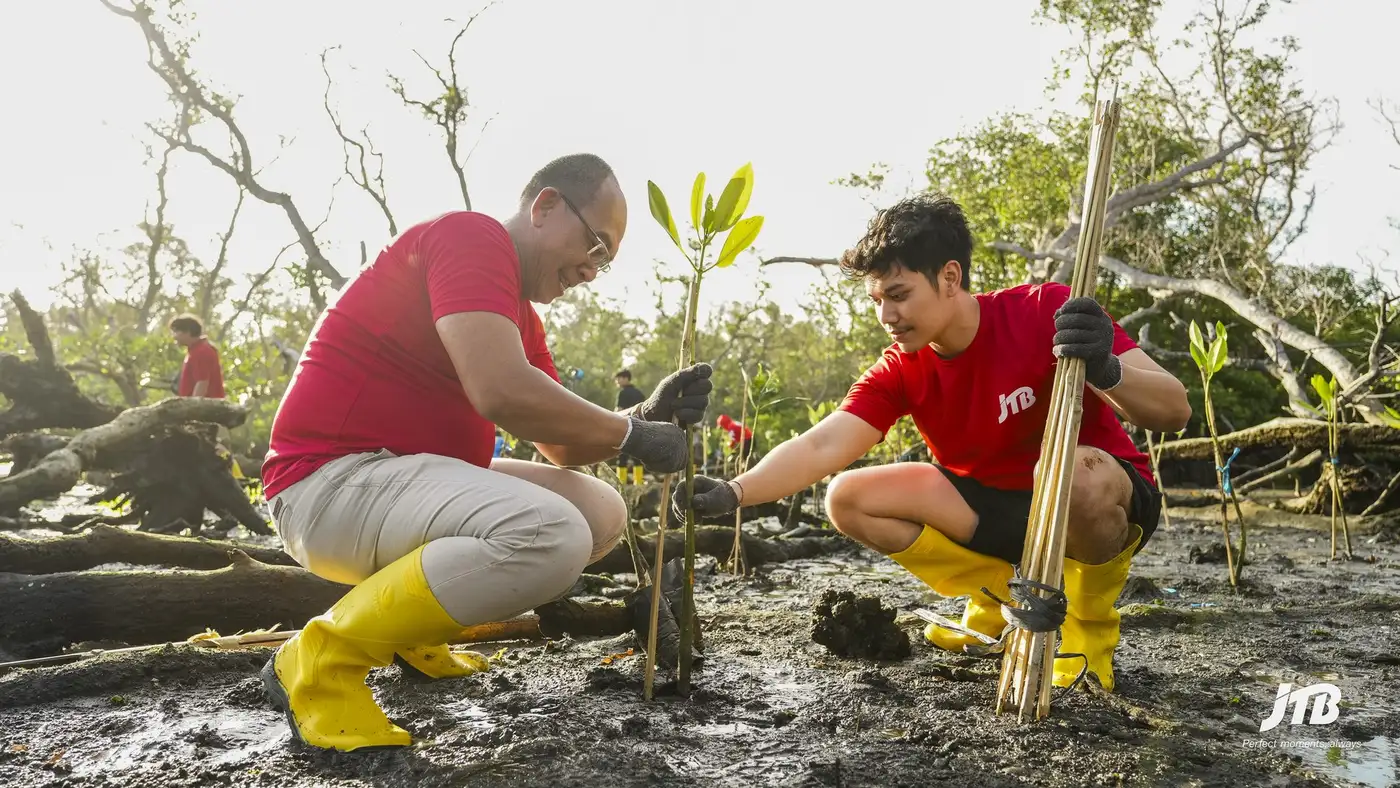
Programme one: mangrove planting and coastal ecology
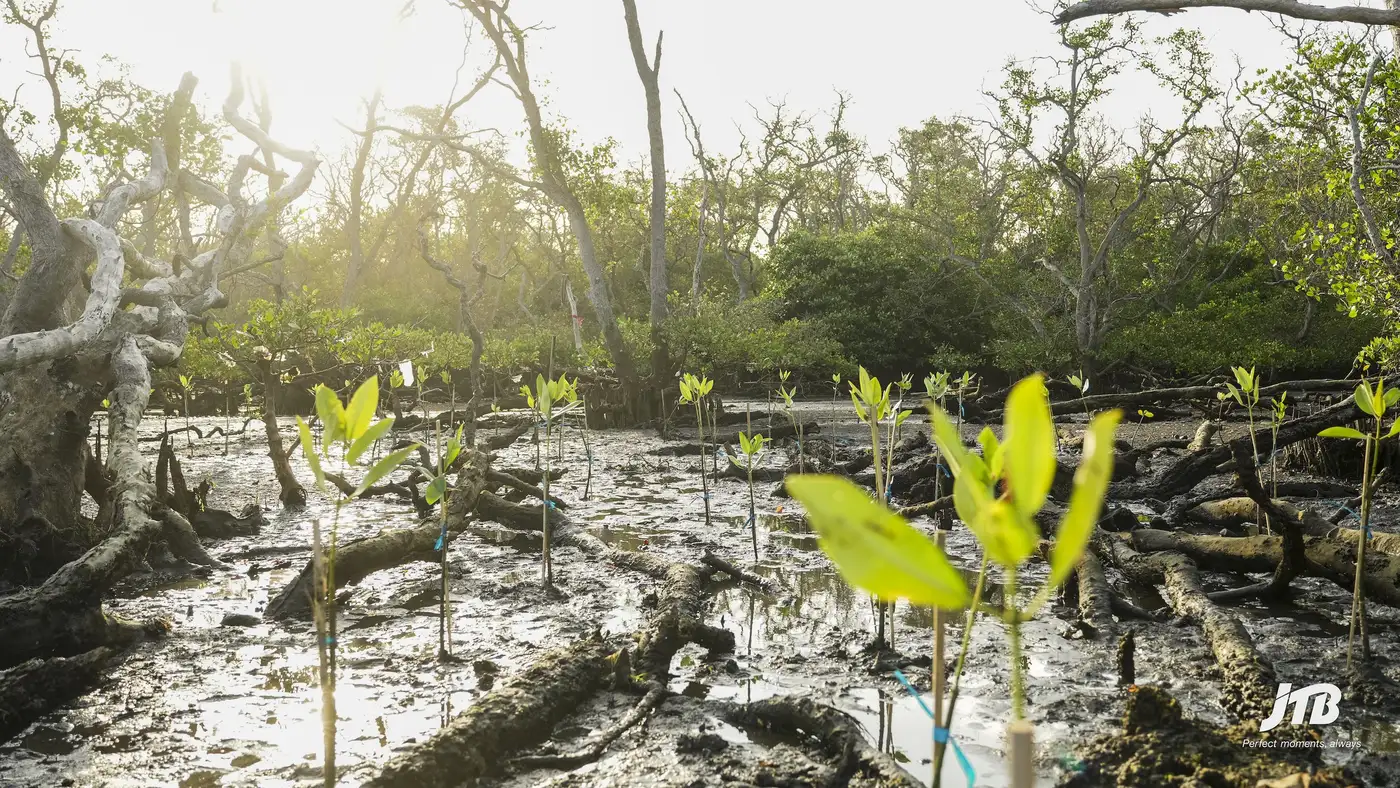
Mangroves occupy the meeting point between land and sea. Their roots help stabilise sediment and create habitat, while the wider ecosystem supports coastal biodiversity and communities. They are also vulnerable to pollution, land-use pressure, damaged hydrology, inappropriate planting, and climate-related change.
A meaningful planting activity requires more than putting a seedling into mud. Students should learn why that location was selected, which species is appropriate, how tides and substrate affect survival, who monitors the site, and what happens to seedlings after the group leaves.
The physical work can create a powerful memory, but survival and ecosystem function matter more than the number planted during a photograph. Long-term local conservation should lead the activity. Visiting groups participate within that framework rather than becoming the centre of the story.
Before the site visit, students can investigate mangrove adaptations, coastal food webs, carbon storage, fisheries, and land-use conflict. Afterwards, they can compare planting totals with survival monitoring and discuss why restoration is not interchangeable with protecting an intact forest.
Programme two: coastal cleanup
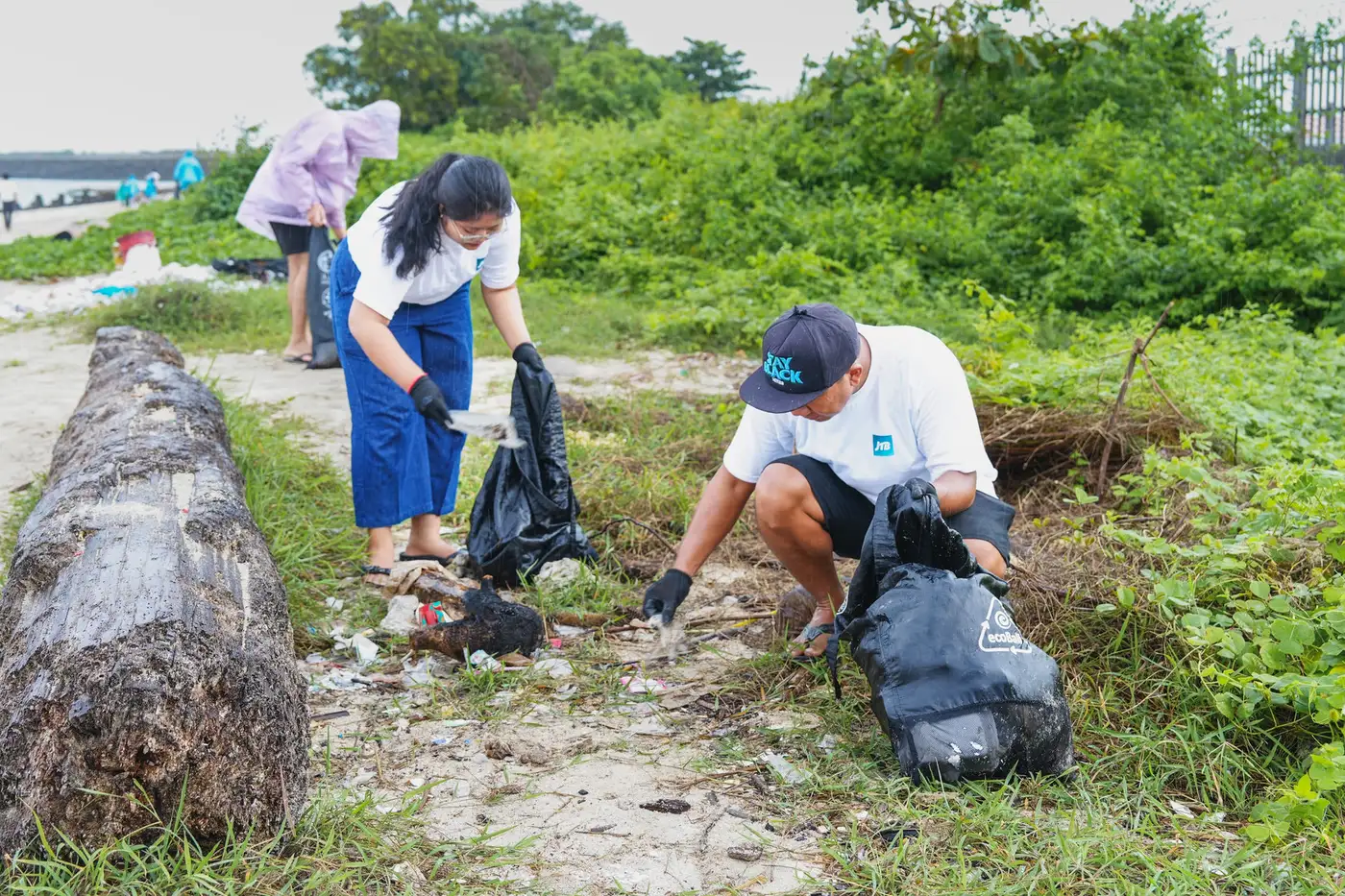
Beach and mangrove cleaning makes pollution visible. A short section of coast can contain food packaging, fishing-related material, household waste, fragments too small to identify, and items transported by water from elsewhere.
The activity should not imply that litter collection alone fixes marine pollution. Cleanup is immediate intervention; prevention requires product redesign, reduced consumption, collection systems, enforcement, business responsibility, and changes in individual behaviour.
Students can sort what they collect, identify common material categories, discuss possible sources, and examine which items are realistically recyclable under local conditions. Data collection can turn a cleanup from an isolated volunteer moment into evidence for later discussion.
Safety planning is essential. Participants need gloves, suitable footwear, hydration, sun protection, clear boundaries, and instructions not to handle medical waste, sharp objects, chemicals, or unidentified hazardous material.
Programme three: waste education and circular thinking
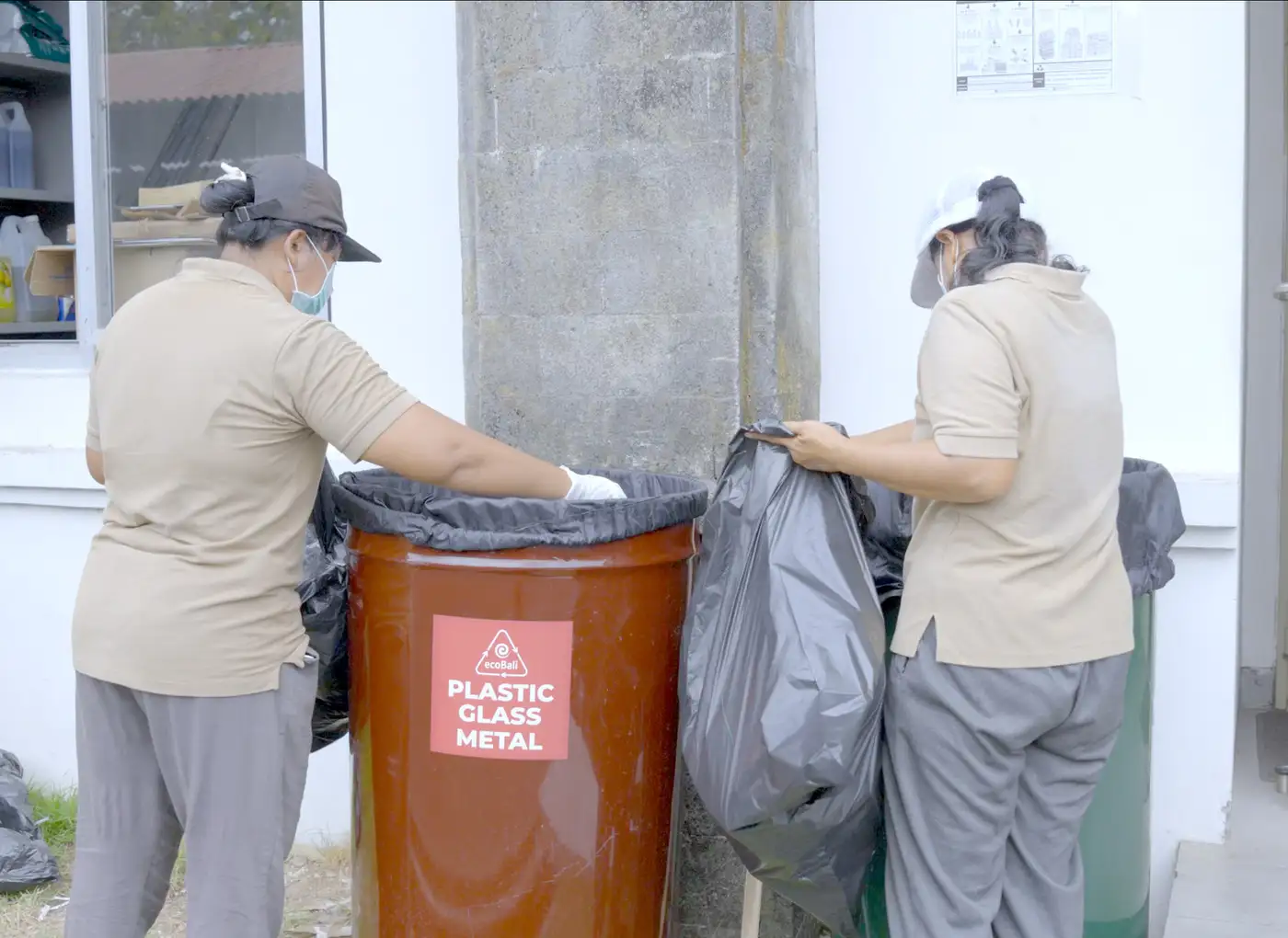
Waste education connects what students purchase with what remains after use. Sorting exercises reveal that “recyclable” is not a universal outcome. Material type, cleanliness, local market value, collection access, and processing capacity all determine what can actually move into another use.
The proposal includes waste sorting, ZeroWaste learning, and chopstick recycling. These activities can introduce the difference between reducing, reusing, recycling, composting, and recovering materials.
Used cooking oil provides another example. JTB Indonesia reports collaboration with Noovoleum to collect oil as a circular resource. Students can examine why used oil should not enter drains or soil, how collection quality affects reuse, and why a circular system needs reliable logistics and a real downstream application.
Organic waste can be explored through Teba Modern and regenerative-farming contexts. Decomposition, contamination, moisture, carbon-to-nitrogen balance, space, labour, and final use all shape whether composting succeeds.
Programme four: Rescue Meal Initiative
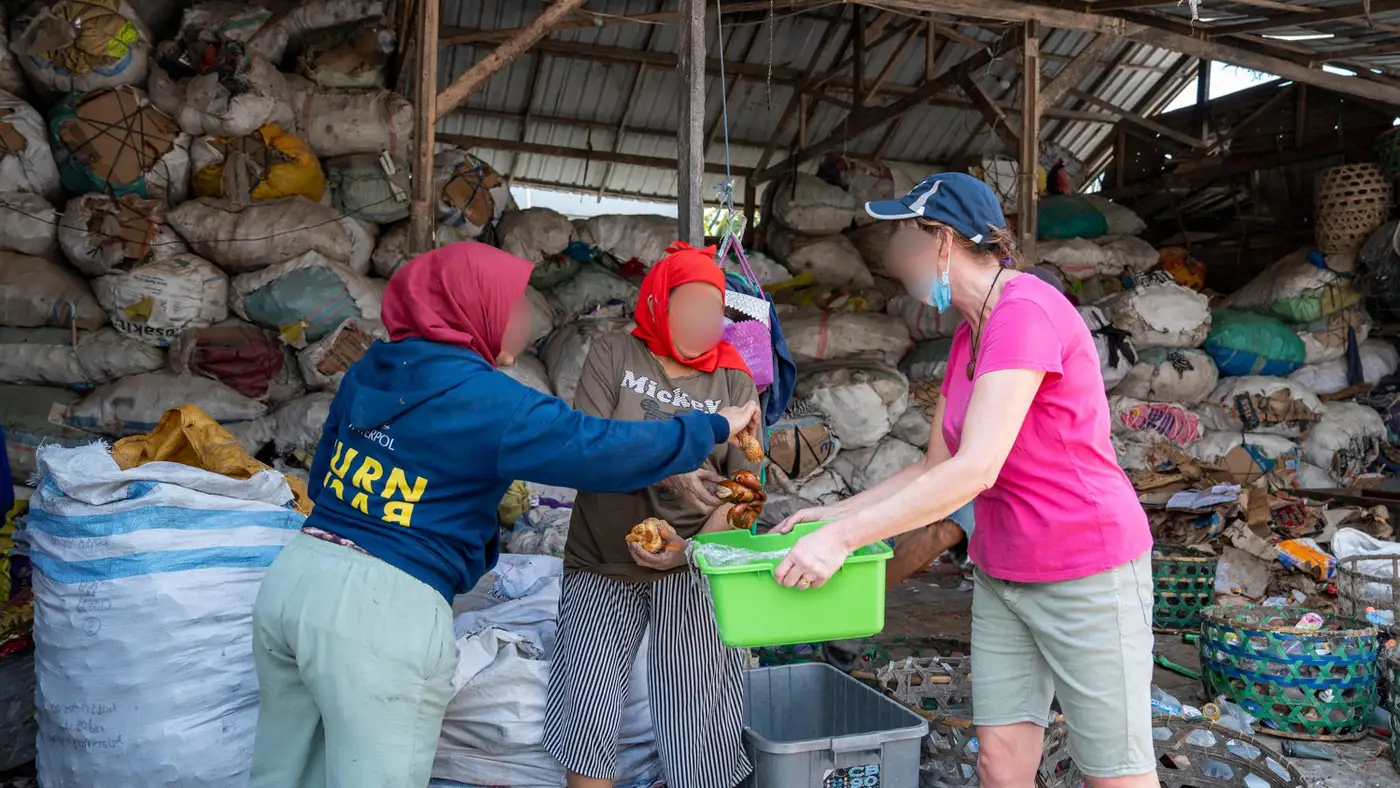
Food waste and food insecurity can exist in the same region. A rescue-meal programme redirects suitable surplus ingredients into meals for communities, creating a practical connection between logistics, food safety, volunteering, and social support.
The student experience should centre the partner’s system and community dignity. Participants are not arriving to “save” anonymous recipients. They are supporting an established process involving ingredient recovery, inspection, storage, preparation, portioning, and distribution.
Food-safety rules must be followed precisely. Not every surplus item is safe or suitable, and volunteer enthusiasm never overrides hygiene, allergen control, temperature management, or the direction of trained staff.
Reflection can examine why edible food becomes surplus, what policy or operational changes reduce waste earlier, and how organisations such as Scholars of Sustenance coordinate recovery at a larger scale.
Programme five: community learning
Community learning may include respectful informal activities and creative engagement with children. This area requires especially careful safeguarding and programme design.
Children and communities must never become attractions. Activities should be requested and shaped with the host organisation, appropriate to age and language, supervised, and connected to an ongoing local purpose. Photography and personal-data rules must be clear before arrival.
Visiting students should not distribute gifts independently, make promises, exchange private contact details, or post identifiable images without the required consent. Short-term emotional connection should not be confused with long-term developmental impact.
The strongest format is reciprocal learning: participants prepare an appropriate activity, listen to local perspectives, and reflect on similarities and differences without assuming the visiting group is the teacher in every interaction.
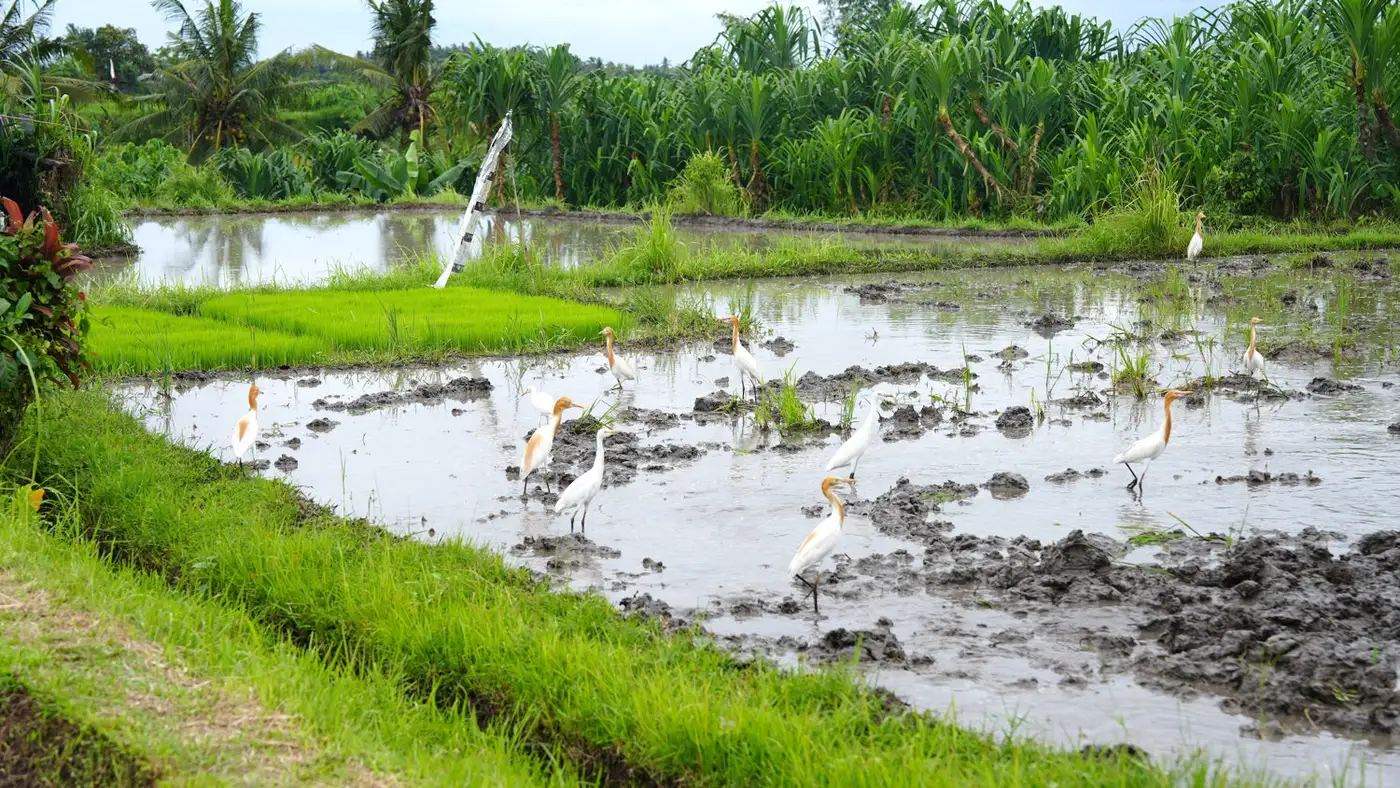
Programme six: community wellbeing and regenerative farming
The proposal connects community wellbeing with Bumi Sehat and regenerative-farming experiences. These topics can help students see sustainability as more than environmental conservation.
Health, food systems, soil, farmer livelihoods, nutrition, community care, and local resilience interact. A regenerative farm visit can explore soil cover, compost, crop diversity, water, pests, input dependence, labour, and the relationship between ecological practices and economic viability.
Avoid presenting one farm as a universal solution. Agricultural choices depend on land, climate, crops, knowledge, markets, finance, and household needs. Students should ask what has worked, what remains difficult, and how success is evaluated over time.
Visits connected to health and wellbeing require privacy and sensitivity. Programme content should be defined by the host organisation, and participants must not photograph patients, clients, children, or confidential activity without explicit authorisation.
Reported impact—with dates and limits
| Reported indicator | Figure | Reporting context |
|---|---|---|
| Mangroves planted | 400+ | Programme activity reported in the proposal |
| Participating educational and client groups | 5+ | As of September 2026 |
| Meal-served equivalents | 822 | Scholars of Sustenance, year to date through September 2026 |
| Used cooking oil collected | 1,369 L | Noovoleum collaboration, March–May 2026 |
| Estimated CO₂ reduction | 1.75 t | Noovoleum estimate, March–May 2026; not a carbon offset |
| Run for Nature participants | 350 | JTB Run, May 2026 |
Numbers help partners understand scale, but they should not be detached from method. “Mangroves planted” is not the same as mangroves surviving. “Meals served” is an output rather than a complete measure of long-term food security. An estimated reduction related to used-oil recovery is not a carbon credit or offset.
The figures above use different reporting windows because they track different programmes. Any future blog update, school proposal, impact report, or sales material should preserve the dates and reverify the values with the programme owners.
Collaboration makes programmes possible
The proposal identifies selected clients including The Travel Brokers, SCI, and Dansk Studie Center. It also references collaboration with organisations including Scholars of Sustenance and PLN, alongside additional partners represented in the original proposal.
Partnership matters because no travel company independently owns all the expertise required for conservation, waste recovery, food rescue, education, health, and farming. Local and specialist organisations provide continuity, technical knowledge, community relationships, and operational systems.
The proposal also presents JTB Indonesia as GSTC Certified, with certification reference TOCU250114 and certification context stated as of May 2026. Certification scope and current status should be rechecked against the applicable certificate before publishing future time-sensitive claims.
Trust is not created by logos alone. Schools and agents should ask which partner leads each activity, how responsibilities are divided, how safeguarding works, what data is collected, and how feedback reaches the local programme.
Designing a programme for students
Start with learning objectives, not a list of activities. A group studying marine biology may need mangrove ecology and field observation. Business students may gain more from supply chains, waste systems, and circular-resource analysis. Hospitality students can examine food rescue, procurement, and operational sustainability.
Match the activity to student age, curriculum, physical ability, language, group size, and time available. One deep experience with preparation and reflection is often more useful than three rushed volunteer stops.
Build three stages. Before the visit, establish background knowledge and questions. During the experience, combine explanation, observation, participation, and time to speak with practitioners. Afterwards, require reflection or a practical output such as a waste audit, presentation, campaign, design proposal, or personal action plan.
Teachers and organisers should agree on supervision ratios, emergency contacts, medication, heat and rain procedures, footwear, transport, toilets, hydration, insurance, photography, and behavioural expectations.
Safeguarding and ethical participation
Student travel requires clear duty of care. Environmental sites can involve mud, water, sharp waste, heat, insects, tools, smoke, traffic, or slippery surfaces. Community programmes can involve children, personal information, health contexts, and unequal power relationships.
Risk assessment should be specific to the activity and group. A generic tour waiver is not a replacement for operational planning. Hosts need accurate participant information early enough to decide whether the programme is suitable.
Consent must be meaningful. Participants should understand how photographs and testimonials may be used. Communities and partner staff should have the ability to decline photography without affecting the relationship.
No activity should be designed mainly to produce images of students appearing helpful. Learning and useful partner-defined contribution come first.
What students should bring
Requirements depend on the programme, but common items include a refillable water bottle, sun protection, hat, compact rain layer, secure footwear, and clothing suitable for practical outdoor work.
Mangrove and cleanup activities may require clothes that can become muddy, closed shoes or boots selected by the organiser, gloves, and a change of clothes. Farm visits may require similar protection.
Students should carry necessary medication according to school policy and disclose relevant allergies, mobility needs, heat sensitivity, or medical concerns during planning.
Avoid unnecessary single-use supplies in a sustainability programme. Organisers should coordinate reusable equipment and refill arrangements wherever practical.
Questions schools and partners should ask
Ask what the programme is intended to achieve, who the local partner is, what useful contribution the group makes, and what happens before and after the visit. Confirm whether activity outputs are monitored and how results are reported.
Clarify group capacity, minimum age, physical requirements, accessibility, safeguarding, insurance, transport, toilets, food, water, equipment, weather policy, cancellation, and emergency procedures.
Ask which claims and impact numbers may be used in school communications. Preserve reporting dates and do not convert estimates into stronger claims.
Discuss photography, student data, community consent, brand use, certificates, and publication approval before the programme—not after content has already been posted.
Frequently asked questions
Are these ordinary sightseeing tours?
No. They are educational sustainability experiences designed around observation, participation, and connection with local programmes. Format and depth should be tailored to the group.
Can a programme be customised?
The proposal states that programme details and participation formats are tailored to each group. Customisation depends on objectives, age, group size, partner capacity, timing, and operational conditions.
Can students plant mangroves at any time of year?
Not automatically. Site suitability, tides, weather, partner schedule, seedling availability, safety, and ecological planning determine whether planting is appropriate.
Is a cleanup enough to claim environmental impact?
A cleanup produces a direct output, but stronger learning also examines waste types, sources, prevention, and downstream handling. Claims should match what was actually measured.
Are the impact figures independently audited?
The article reproduces figures and reporting notes from the supplied JTB Indonesia proposal. Schools or partners requiring assurance should request the relevant source report, calculation method, or supporting documentation.
Does the estimated CO₂ reduction count as an offset?
No. The proposal explicitly notes that the CO₂ figure is an estimate and not a carbon offset.
Are community activities suitable for photographs?
Only within the host organisation’s safeguarding and consent rules. Participation never creates automatic permission to photograph or publish identifiable people.
How long should a student programme be?
It depends on the objective. Allow time for briefing, activity, rest, questions, and reflection. A shorter well-designed experience can be stronger than a full day of disconnected stops.
Can programmes support curriculum outcomes?
Yes, when learning objectives are defined in advance. Possible themes include ecology, climate, food systems, circular economy, tourism, community development, health, agriculture, and responsible business.
Who should partners contact?
The proposal lists Siva at maharta_p.id@jtbap.com and WhatsApp or telephone +62 812-3729-3689 for programme discussions.
Meaningful learning requires honest framing
Sustainability education should leave students with more than a positive photograph. It should reveal systems, trade-offs, long-term work, and the difference between an activity output and a lasting outcome.
JTB Indonesia’s proposal connects internal operational actions with student experiences in conservation, waste, food rescue, community learning, wellbeing, and regenerative farming. Its strongest potential lies in combining those activities with preparation, specialist partners, safeguarding, measurable reporting, and reflection.
The goal is not for students to leave believing that one visit completed the work. It is for them to leave with better questions, a clearer sense of responsibility, and practical examples of how organisations and communities turn sustainability from an idea into action.
Source and reporting note
This article was developed from the supplied “JTB Sustainability Proposal Partners” document. Programme availability, partners, certification status, reported figures, and participation conditions should be confirmed with JTB Indonesia before publication updates or external commitments.