

Coffee in Bali is more than a morning ritual. It is a living tradition that connects farmers, land, and culture in a way that few other beverages can. The Coffee Making Experience Bali offers travelers a chance to understand coffee not as a simple drink but as a story shaped by soil, craft, and heritage. Many visitors come expecting a tasting session. Instead, they find themselves stepping into a world where every bean has a journey and every cup carries the warmth of human hands behind it.
The experience often begins in a quiet rural village. Smoke from wood-fire hearths drifts through the air, the sound of roasting beans crackles in the background, and the scent of freshly ground Bali coffee embraces the entire room. Travelers discover that coffee in Bali is not only tasted but deeply felt. This combination of sensory immersion and cultural connection makes the activity one of the most unique things to do on the island, especially in 2026 when interest in local, mindful experiences continues to grow.
Coffee Making Experience Bali: Understanding the Roots

Bali has a long history with coffee. Arabica beans flourish in the cool highlands of Kintamani, while Robusta varieties grow well in the lower areas with rich volcanic soil. Many coffee plantations remain family-run, and techniques are passed through generations. During the Coffee Making Experience Bali, visitors learn that local farming is guided not only by practicality but also by philosophy. Farmers often speak about harmony with nature, gratitude for the harvest, and respect for the land that sustains their families.
Travelers start by learning about coffee cherries. They touch the fresh red fruit, understand how farmers identify ripe ones, and observe how each cherry contains beans that will eventually become the foundation of a cup. Bali’s farms prioritize slow, careful harvesting, which ensures that only the best cherries reach the next step of the process.
When guests see the trays of freshly picked coffee cherries laid out under the sun, they begin to understand how much time and patience the process requires. Many travelers have commented that this moment alone changes the way they see coffee. Instead of a daily habit, coffee becomes an agricultural art form.
Roasting the Beans: The Heart of the Experience

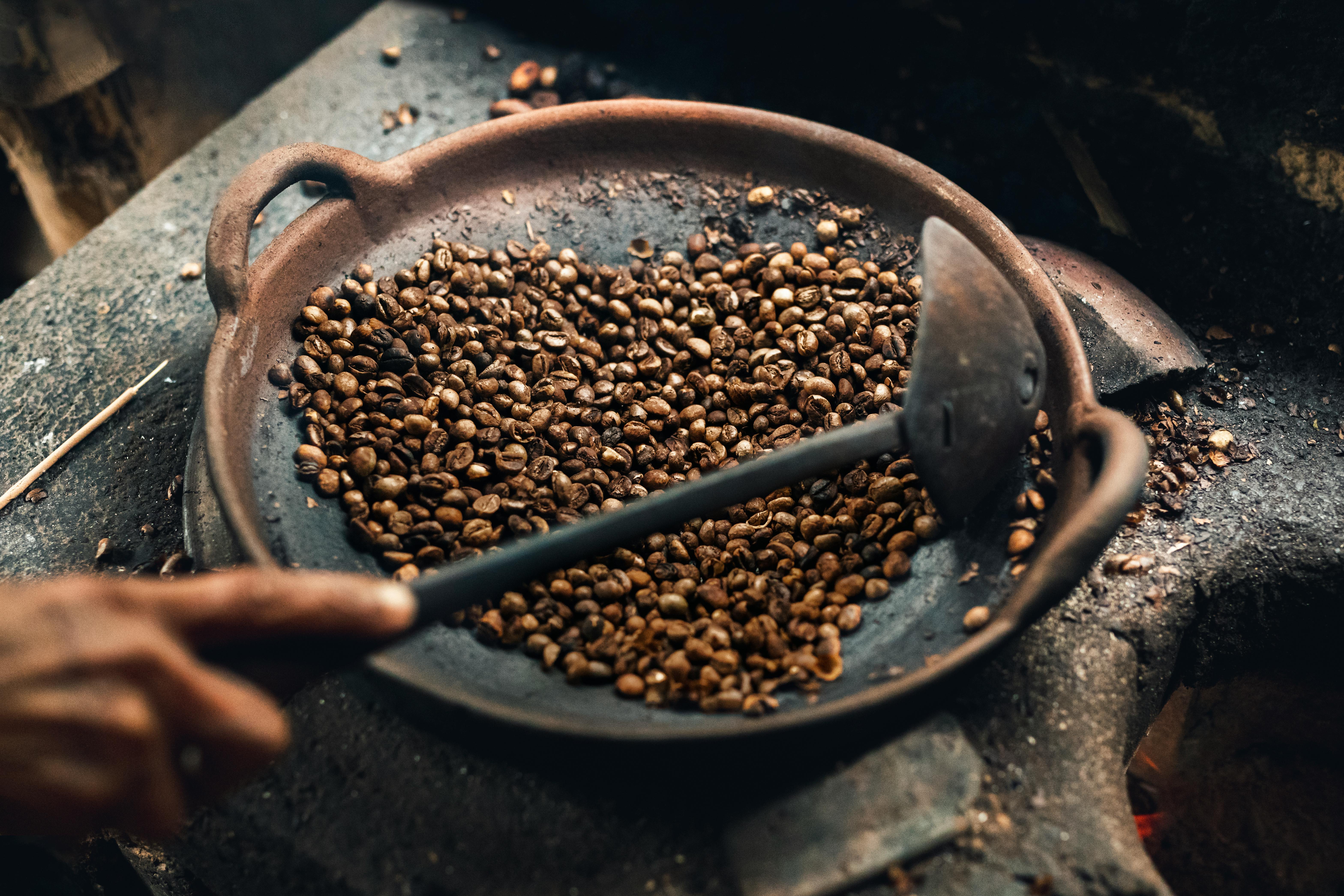
One of the highlights of the Coffee Making Experience Bali is the roasting session. Visitors gather around a traditional clay pan placed over a wood-fire stove. A local host demonstrates the slow, rhythmic motion of roasting the beans by hand. This technique requires attention, consistency, and experience. The scent of roasting coffee fills the room, creating an atmosphere that feels both comforting and grounding.
Guests often take turns stirring the beans. Even though the motion looks simple, it quickly becomes clear that maintaining even heat is an art. As the beans begin to darken and crack, everyone senses that they are witnessing the transformation that gives coffee its depth and character. This moment becomes one of the most memorable parts because it bridges tradition with the traveler’s own hands.
During the roasting, farmers share stories about how coffee shaped their lives. They explain how climate affects flavor profiles and why Balinese coffee often has a bold aroma and naturally earthy taste. These stories add cultural richness to what could have been a simple workshop.
Grinding, Brewing, and Tasting: A Complete Sensory Journey

After roasting the beans, the experience continues with grinding. Travelers use traditional stone grinders or wooden tools to crush the roasted beans into fine powder. The motion feels slow and grounding, connecting participants to a practice that predates modern machines. The aroma becomes stronger as the beans break apart, filling the air with warmth and earthiness.
Next comes brewing. Many workshops teach two methods: Balinese-style brewing and simple hand-brewing techniques used by farmers. Guests watch as hot water is poured carefully over the coffee powder, releasing layers of fragrance that rise with the steam.
The tasting session becomes the emotional highlight of the Coffee Making Experience Bali. Several cups are presented, each with a different profile—strong, mild, aromatic, sweetened, or blended with spices such as ginger or cinnamon. Visitors sip slowly, taking in each flavor. They learn how shades of soil, altitude, drying methods, and roasting levels influence the final taste.
For many visitors, the tasting becomes an unexpected moment of reflection. They realize that every detail of the experience—from picking cherries to roasting—has shaped the cup they now hold.
Why Travelers Love the Coffee Making Experience Bali
Travelers describe this activity as grounding, educational, and deeply meaningful. Unlike modern cafés, the workshop shows the entire journey of coffee from plant to cup. It connects visitors to the people behind the product and celebrates slow, mindful creation.
Several reasons make this activity especially popular in 2026:
- It offers hands-on learning rather than passive observation
- It supports local farmers and small communities
- It provides a cultural perspective through storytelling and shared traditions
- It creates memories using real skills that participants can take home
- It fits well into wellness, nature, and cultural travel trends
Families, couples, solo travelers, and even corporate retreat groups find this activity enjoyable because it is relaxing, accessible, and meaningful.
Where to Join a Coffee Making Experience in Bali
The workshop is available in several parts of Bali. Each location offers its own atmosphere:
- Kintamani Highlands – Known for Arabica plantations and mountain views
- Ubud – Popular for cultural workshops and farm-based experiences
- Tegalalang – Offers a blend of coffee gardens and rice terrace scenery
- Munduk – Known for cool weather and traditional roasting kitchens
Farm-based workshops allow guests to walk through coffee gardens, interact with farmers, and pick ingredients directly from the plants. These immersive settings make the experience even more authentic.
A Perfect Activity for 2026 Travelers
The year 2026 brings a growing interest in learning-based travel. Visitors want more than sightseeing; they want meaningful engagement and sustainable tourism. The Coffee Making Experience Bali aligns perfectly with this trend. It uses local ingredients, highlights traditional knowledge, and supports community-based tourism.
This experience stands out because it slows travelers down. It allows them to step away from busy itineraries and reconnect with something simple yet profound: the story of how coffee is made, and the people who keep the tradition alive.
Plan Your Coffee Making Experience in Bali

If you are looking for an activity that combines culture, learning, and warm hospitality, the Coffee Making Experience Bali is a perfect choice. It offers a journey through the island’s heritage, from the moment a coffee cherry is picked to the moment the final cup is served.
Our team can help you find the best workshops, coordinate schedules, and choose locations that match your travel style. Whether you want a farm-based experience, a cultural workshop, or a full tasting session, we can assist you in planning the perfect visit.
Contact us to begin your Coffee Making Experience in Bali and discover the story behind every cup.
