
Looking for a side of Bali that feels different from beaches, beach clubs, and resort areas? A Denpasar heritage city tour takes you into the island’s capital, where traditional markets, historical landmarks, museums, and everyday local life exist side by side.
Instead of traveling long distances between major tourist attractions, this experience focuses on the character of Denpasar itself. You can observe how locals shop at a traditional market, learn about an important chapter of Bali’s history, and explore cultural objects that reveal how Balinese traditions developed over time.
It is a useful choice for travelers who want to understand Bali beyond its scenery. Here is how to experience Denpasar through its markets, history, heritage, and daily city atmosphere without turning the day into a rushed sightseeing checklist.
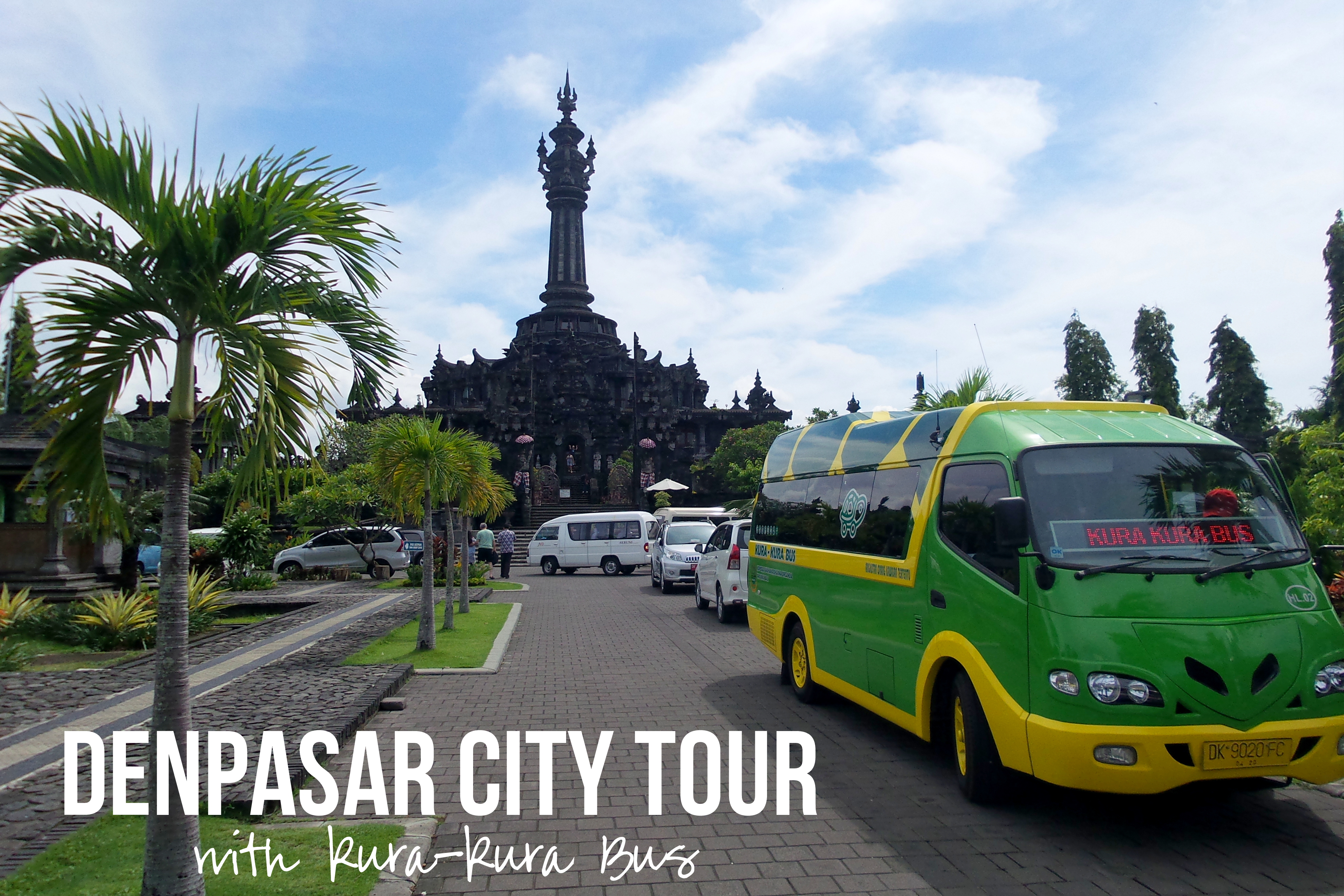
Why a Denpasar Heritage City Tour Shows a Different Side of Bali
Many Bali itineraries naturally focus on Ubud, Uluwatu, beaches, waterfalls, or island trips. Denpasar offers something different because it is not built primarily around resort tourism.
The city is a place where administration, commerce, religion, history, traditional markets, and modern Balinese life meet. That makes exploring Denpasar less about chasing dramatic viewpoints and more about understanding how the island functions beyond its holiday areas.
A heritage route also connects several layers of Bali in a compact area. A traditional market introduces everyday life, Puputan Badung brings historical context, and Museum Bali gives that history a wider cultural perspective.
1. Begin the Denpasar Heritage City Tour at Badung Traditional Market
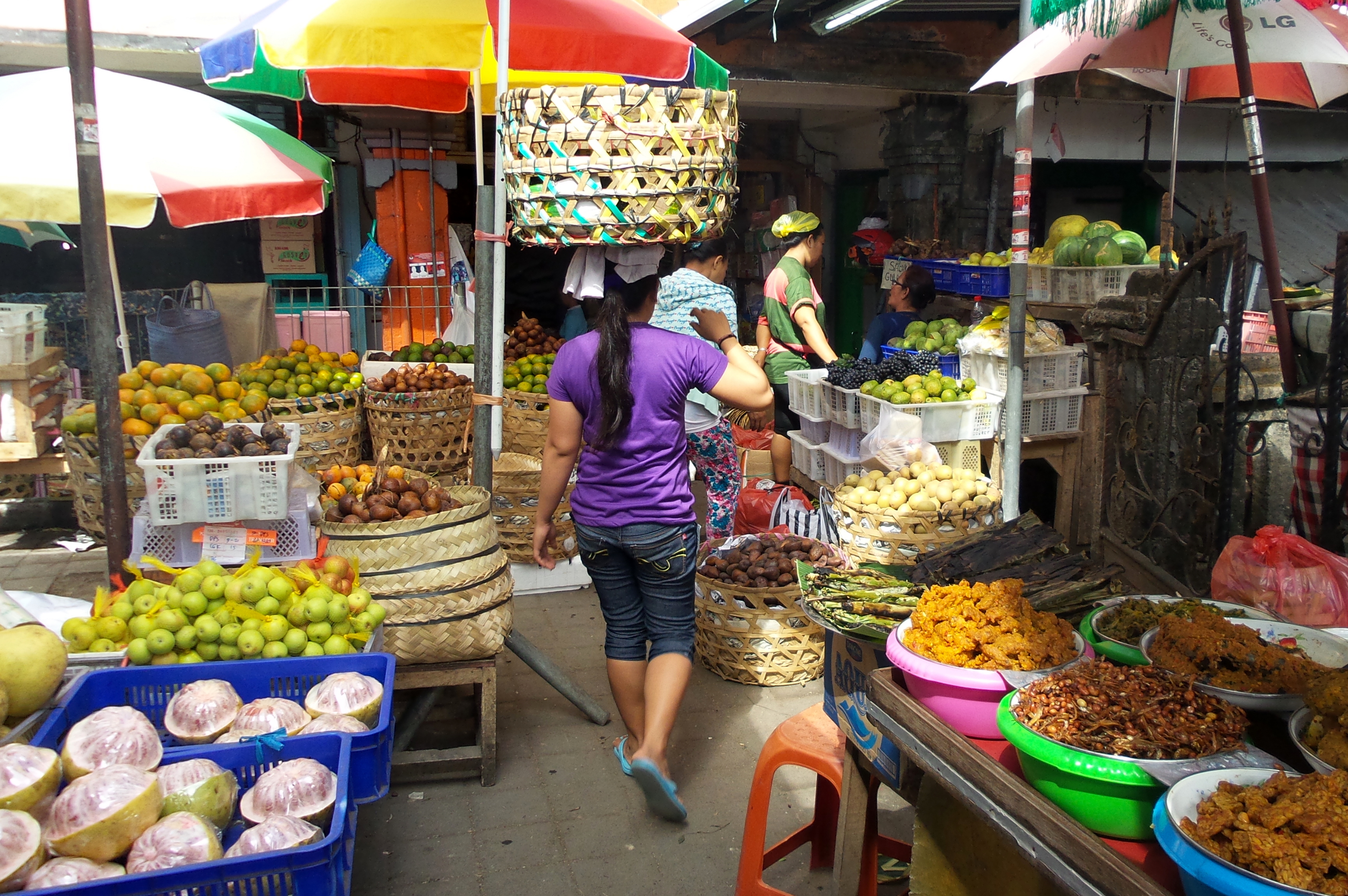
Start with one of the most active parts of local Denpasar: Badung Traditional Market. Rather than feeling like a carefully arranged tourist attraction, the market functions as part of everyday city life.
Walk through the market and you may see tropical fruit, vegetables, spices, food ingredients, household products, traditional goods, and vendors serving regular local customers. The colors and movement make the visit interesting, but the real value comes from observing how people shop and interact.
A local market also provides context for many things travelers later encounter elsewhere in Bali. Ingredients used in Balinese cooking, flowers connected with religious offerings, and everyday household goods all become easier to understand when you see where local families actually purchase them.
Read More About Bali’s Traditional Market Culture →
2. Understand Denpasar’s History at Puputan Badung
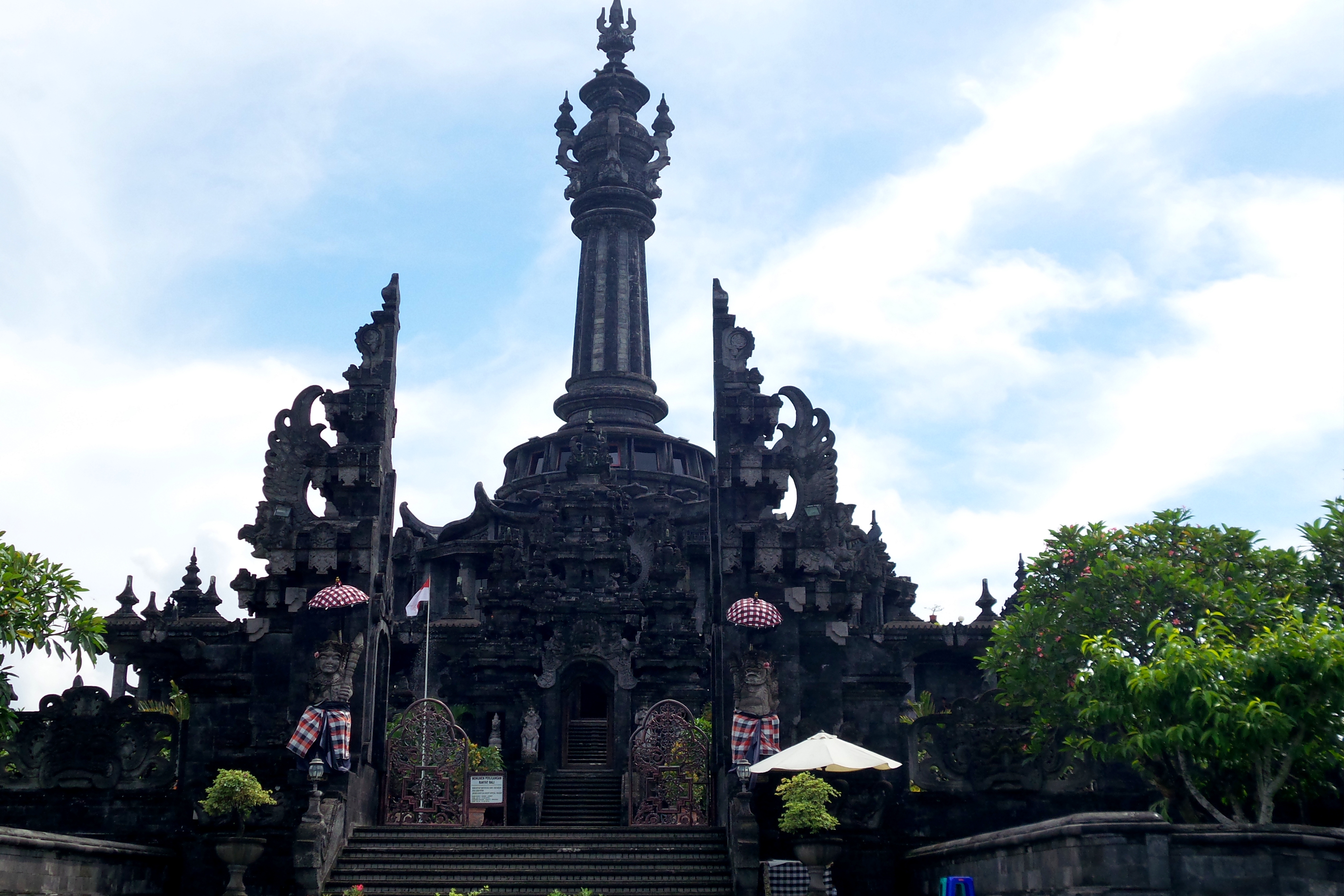
After experiencing the movement of the market, continue toward Puputan Badung for a completely different atmosphere. The square is connected with an important period in Bali’s history and commemorates resistance against Dutch colonial forces.
The monument provides a visual starting point for understanding the events associated with the 1906 Puputan in Badung. For visitors unfamiliar with Balinese history, having a guide explain the context can make the stop considerably more meaningful than simply photographing the monument.
This historical layer is an important part of a Denpasar heritage city tour. Bali’s identity is not shaped only by temples, ceremonies, and art. Political events, royal history, conflict, and social change also influenced the island visitors experience today.
3. Continue the Story Inside Museum Bali
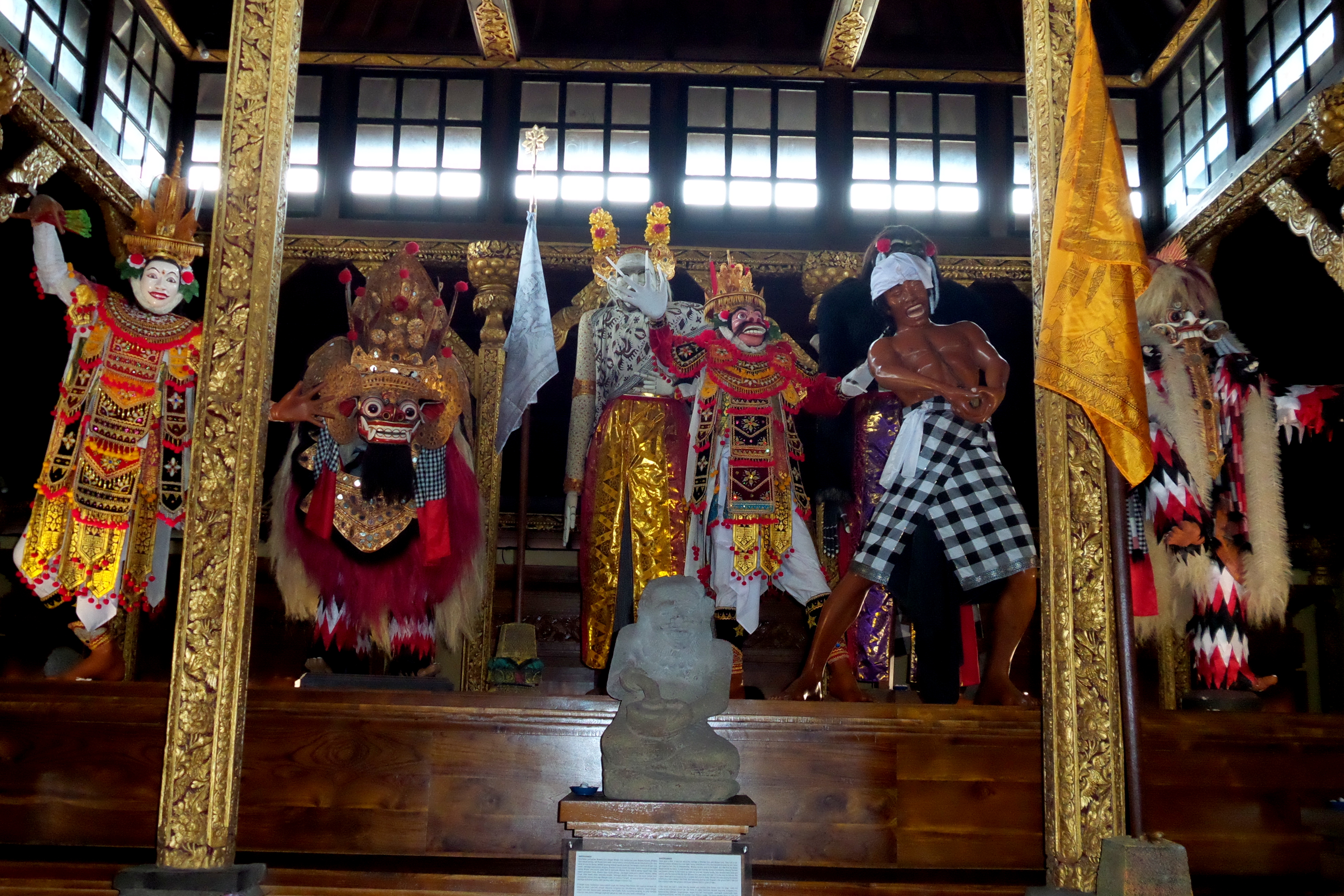
Next, move from the public history of Puputan Square into the collections of Museum Bali. The museum helps connect the city’s historical story with the wider cultural development of the island.
Its displays include objects connected with Balinese traditions, ceremonies, textiles, masks, tools, sculpture, and earlier periods of island life. This makes the museum particularly useful after visiting the market and historical square because many cultural ideas begin to connect.
Pay attention to the museum buildings as well as the collections. Traditional Balinese architectural elements form part of the experience, giving the museum a character that feels very different from a conventional modern exhibition building.
Discover More Museums in Bali →
4. Notice the Everyday City Life Between the Heritage Stops
One of the advantages of exploring Denpasar is that the experience does not disappear when you leave an attraction. The streets between each stop continue to show another side of Bali.
You may pass local shops, religious compounds, small businesses, government buildings, food vendors, schools, and busy intersections. These scenes rarely appear on lists of Bali’s famous attractions, yet they are part of what makes the city interesting.
Instead of viewing transportation only as time spent moving between stops, pay attention to the changing surroundings. A city tour works best when the streets themselves become part of the experience.
This is also what separates a Denpasar heritage city tour from sightseeing routes focused entirely on resort areas. The purpose is not just to collect photographs, but to gain a clearer picture of contemporary Balinese urban life.
5. Keep the Route Focused Instead of Adding Too Many Attractions
A Denpasar experience does not need a long list of stops to feel complete. Badung Market, Puputan Badung, and Museum Bali already represent three very different parts of the city: everyday commerce, historical memory, and cultural heritage.
Keeping the itinerary focused also gives you enough time to listen to explanations, walk through the market, look closely at museum collections, and observe the city rather than immediately moving to another destination.
The current Kura-Kura Bus Bali City Tour is designed as an approximately six-hour experience, making it easier to explore the capital without committing your entire day to a long-distance island route.
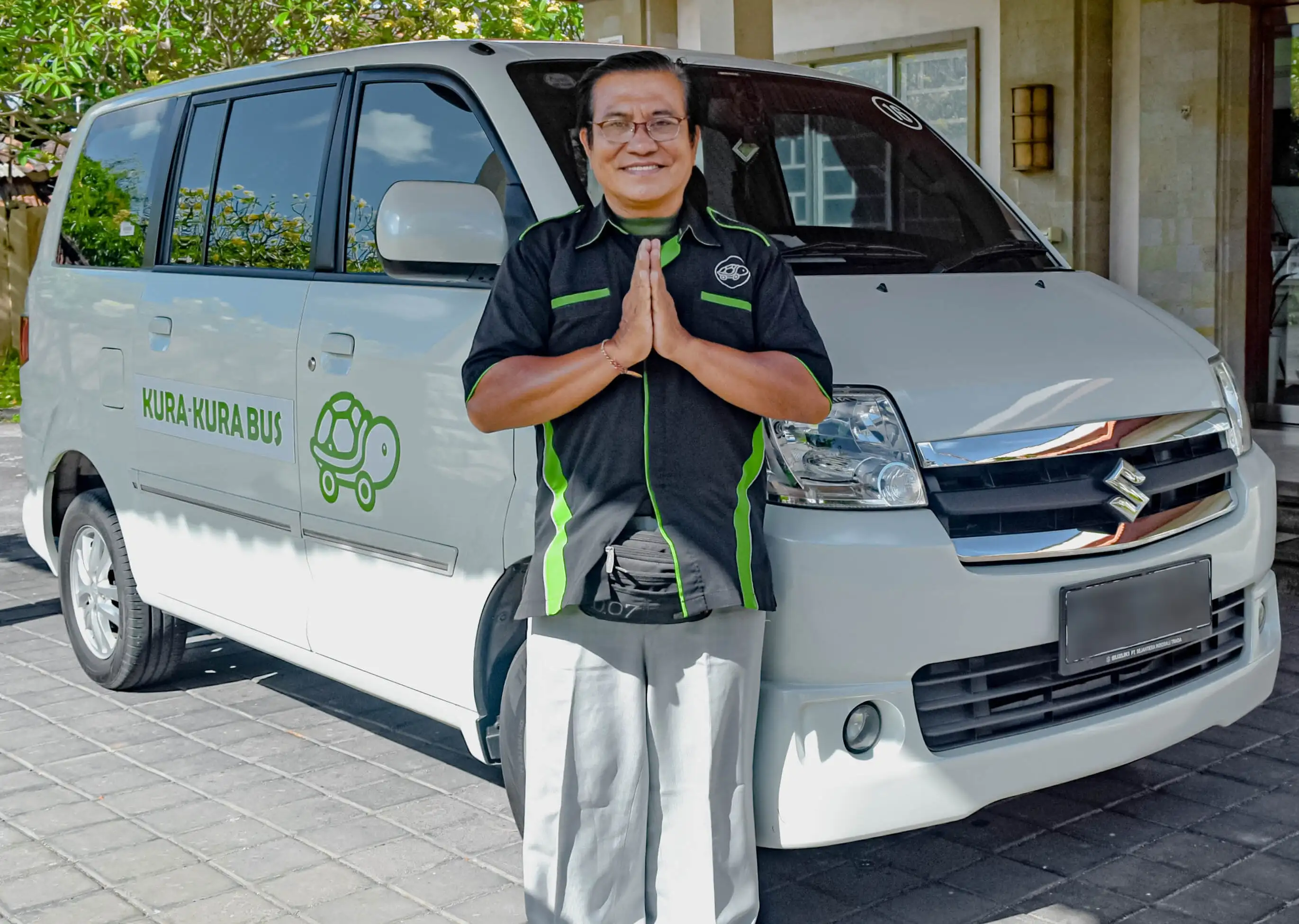
Image source: Kura-Kura Bus.
Quick Tips for Exploring Denpasar Heritage
- Wear comfortable shoes: markets, squares, and museum grounds involve walking.
- Choose light clothing: Denpasar can feel warm, especially while exploring outdoor areas.
- Bring drinking water: staying hydrated makes a city tour more comfortable.
- Ask before photographing people: Badung Market is a working environment, not only a sightseeing attraction.
- Take time at the museum: reading explanations gives the collections much more meaning.
- Listen to the historical context: Puputan Badung becomes easier to understand when the story behind the monument is explained.
- Observe the journey: local streets and neighborhoods are part of the Denpasar experience too.
- Avoid overloading the route: three meaningful heritage stops can be more rewarding than rushing through six or seven attractions.
Frequently Asked Questions About Denpasar Heritage City Tour
What Is a Denpasar Heritage City Tour?
A Denpasar heritage city tour focuses on the history, culture, markets, and everyday character of Bali’s capital. A typical route can include Badung Traditional Market, Puputan Badung, and Museum Bali.
Is Denpasar Worth Visiting During a Bali Holiday?
Yes, particularly if you want to see Bali beyond beaches and resort areas. Denpasar offers traditional markets, historical landmarks, museums, local commerce, and a more urban view of everyday Balinese life.
What Can I See at Badung Traditional Market?
The market offers a look at daily local commerce, including fresh produce, tropical fruit, spices, traditional goods, food ingredients, and small-scale vendors. The exact atmosphere and products naturally vary throughout the day.
Why Is Puputan Badung Historically Important?
Puputan Badung commemorates Bali’s resistance during the colonial period. The monument and surrounding square provide an important introduction to events that shaped the history of Denpasar and Badung.
What Can I See Inside Museum Bali?
The museum contains collections representing different periods and aspects of Balinese culture, including traditional objects, ceremonial items, masks, textiles, sculptures, and historical artifacts.
How Long Does the Kura-Kura Bus Bali City Tour Take?
The current Kura-Kura Bus product lists the Bali City Tour at approximately six hours. Actual timing can vary according to hotel transfers, traffic, visitor conditions, and the pace of the tour.
Is the Denpasar Heritage City Tour Only for History Lovers?
No. The route can also appeal to travelers interested in photography, traditional markets, local food ingredients, architecture, culture, and seeing a more everyday side of Bali.
Can I Combine Denpasar with Other Bali Attractions?
You can, but keeping the day relatively simple allows more time to experience the city properly. If you add another activity, choosing something nearby is generally more comfortable than crossing Bali several times in the same day.
Discover the Bali That Exists Beyond the Resort Areas
A Denpasar heritage city tour offers a different way to understand Bali. Instead of focusing on one spectacular landmark, the experience connects traditional market life, historical events, museum collections, architecture, and the rhythm of the island’s capital.
Begin among the vendors of Badung Market, learn the story behind Puputan Badung, and continue through the cultural collections of Museum Bali. Together, these stops create a compact journey through both everyday Bali and its historical identity.
If you would like to explore Denpasar with transportation and a licensed guide arranged in advance, discover the Bali City Tour available from Kura-Kura Bus.
Explore Denpasar City Tour Explore Seat In Coach