
If you want to understand Bali beyond beaches, temples, and famous viewpoints, start where everyday life happens: the local market. A traditional market is more than a place to buy food. It is where ingredients are selected, vendors greet regular customers, families shop for meals, and the colors and aromas of Balinese cooking come together.
Exploring a traditional market and culinary Bali experience gives travelers a different perspective of the island. Instead of simply ordering a Balinese dish at a restaurant, you can discover where the ingredients come from, learn how spices are used, and see how food connects with daily life.
From the busy stalls of Denpasar to morning markets around Ubud and Gianyar, food offers a natural way to get closer to Bali. Fresh herbs, chilies, coconut, vegetables, seafood, spices, and prepared snacks all reveal something about the island’s culinary identity.
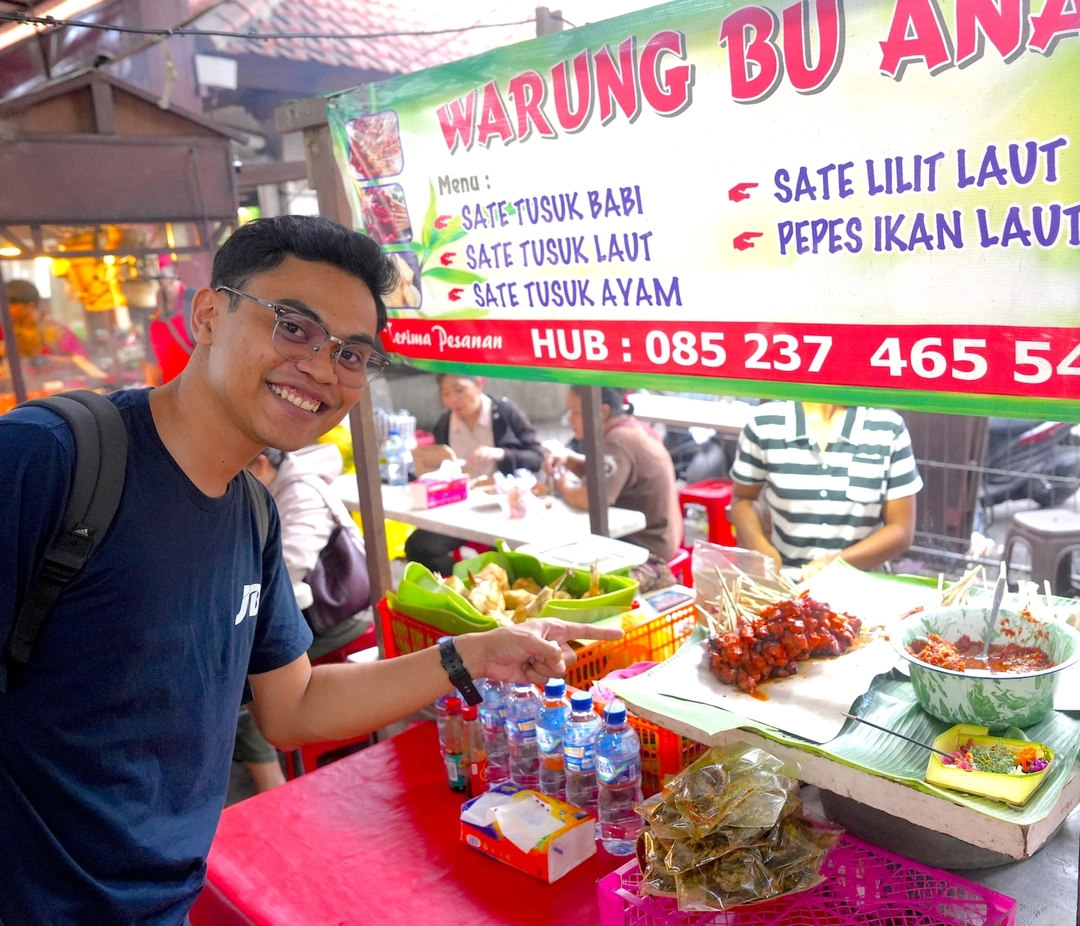
Image source: Kura-Kura Bus, Bali Private Evening Walking Tour with Culinary Experience.
Why Traditional Markets Are the Real Starting Point for Bali Food
A restaurant can introduce you to Balinese flavors, but a market lets you see the ingredients before they become a meal. This difference makes traditional markets especially interesting for travelers who want a more complete culinary experience.
Walk through a local market and you may encounter baskets of vegetables, piles of chilies, fragrant herbs, fresh fruit, coconut, meat, seafood, snacks, and ingredients that may be unfamiliar to first-time visitors. The market environment also reveals the rhythm of local life in a way that a tourist-oriented dining area cannot always provide.
Kura-Kura Bus highlights Badung Traditional Market in Denpasar as a place where visitors can observe local life while discovering fresh produce, spices, and local foods. The market is also incorporated into experiences designed around food, culture, and the history of Denpasar.
1. Begin at Badung Traditional Market in Denpasar
For travelers interested in the everyday side of Bali, Badung Market is a fascinating place to begin. Located in Denpasar, it is described by Kura-Kura Bus as Bali’s largest traditional market and an important destination for seeing local food culture in action.
Rather than approaching the market like a conventional attraction, give yourself time to observe. Notice how vendors arrange their produce, how locals choose ingredients, and how different smells overlap as you move between stalls.
What You May Discover
- Fresh tropical fruits and vegetables
- Local herbs and spices
- Ingredients used in Balinese cooking
- Traditional snacks and prepared foods
- Small-scale local vendors
- Everyday examples of Balinese food culture
The experience becomes even more interesting when you learn what the ingredients are actually used for. A bunch of herbs or a particular spice may look ordinary until a local guide explains its role in a familiar Balinese dish.
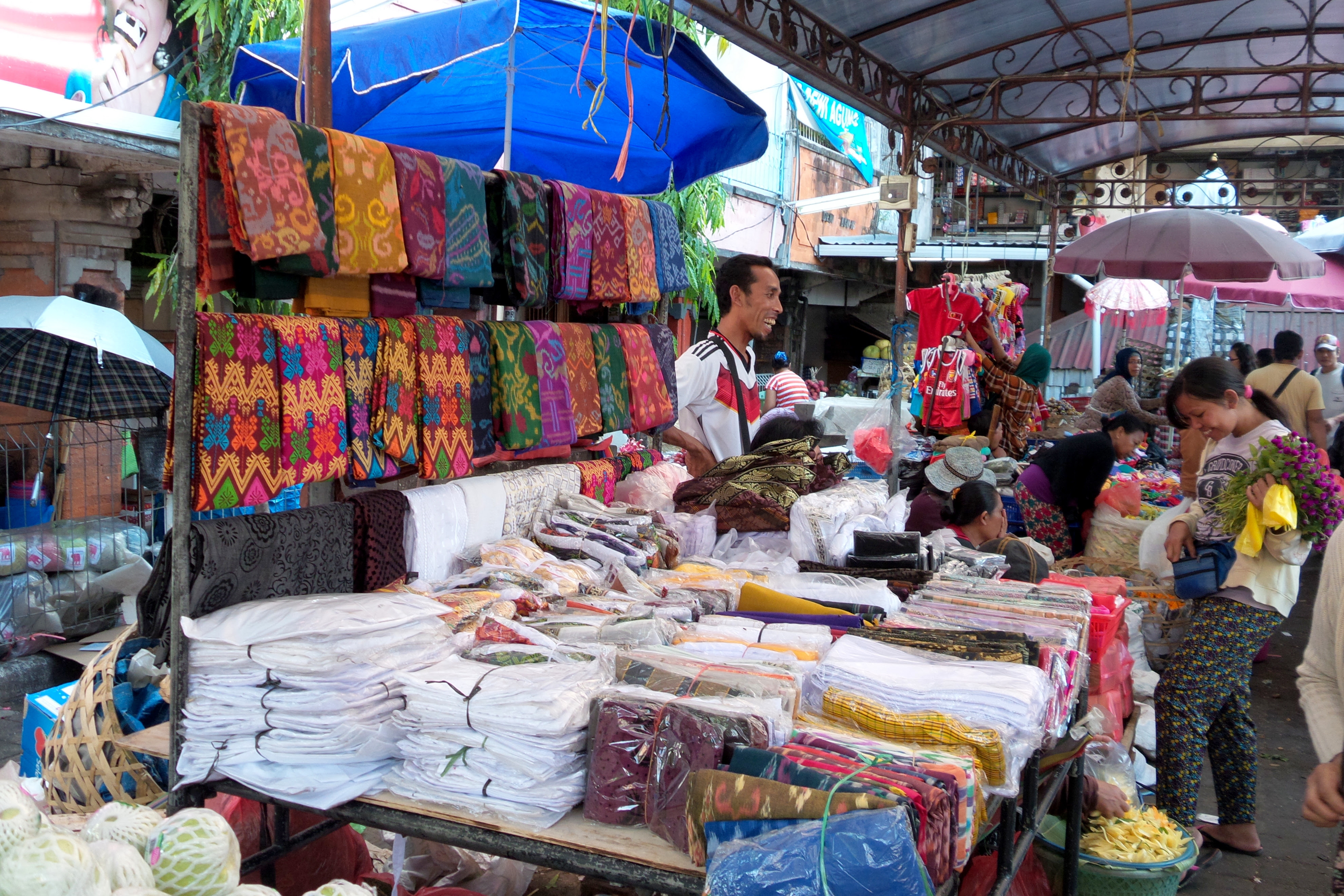
2. Look Beyond the Familiar: Understanding Balinese Ingredients
One of the most enjoyable parts of visiting a traditional market is discovering ingredients that may not be part of your usual cooking routine.
Balinese cuisine makes extensive use of aromatic ingredients and spice combinations. Galangal, ginger, turmeric, shallots, garlic, chilies, coriander, candlenut, lemongrass, and shrimp paste can all contribute to the distinctive character of local dishes.
Instead of thinking about these ingredients individually, notice how they work together. Balinese cooking often relies on carefully prepared spice mixtures that create layers of aroma, heat, freshness, and savory depth.
This is one reason a market visit works so well as part of a culinary journey. You begin to recognize the ingredients on the plate because you have already seen them in their raw form.

Image source: Kura-Kura Blog, Bali’s Best Markets.
3. Taste Bali Through Nasi Campur, Lawar, and Sate Lilit
Once you have explored the ingredients, it is time to experience what they become on the plate. Balinese food is known for combining contrasting textures and strong aromatic flavors, often with rice serving as the foundation of the meal.
Nasi Campur
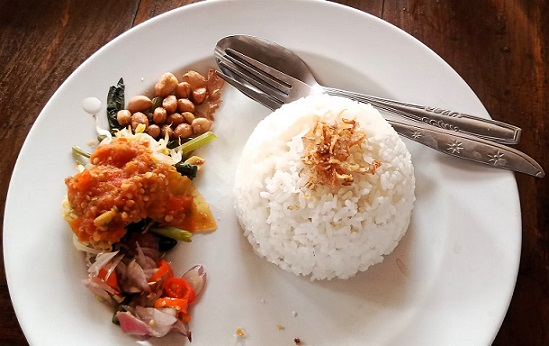
A mixed rice meal served with a variety of accompaniments. Depending on the preparation, it can include meat, vegetables, sambal, and other flavorful side dishes.
Lawar
A traditional Balinese preparation combining vegetables, coconut, herbs, spices, and meat in some versions. Its combination of freshness and seasoning makes it a distinctive part of Balinese cuisine.
Sate Lilit
Minced meat or fish is combined with spices and wrapped around a stick, traditionally including lemongrass, before being grilled.
Kura-Kura Blog’s Balinese cooking content also highlights these dishes as examples of food travelers can learn to prepare during a hands-on cooking experience.
4. Turn Traditional Market Visit Into a Cooking Experience
Seeing ingredients at a market is one thing. Learning how they become a meal is another.
A Balinese cooking experience can connect these two parts of the journey. At some cooking classes, travelers visit a local market first, select fresh ingredients, and then continue to a kitchen where those ingredients become traditional dishes.
This approach makes the experience feel more connected than simply attending a cooking demonstration. You can see the ingredients, handle them, learn about their purpose, and then taste the finished meal.
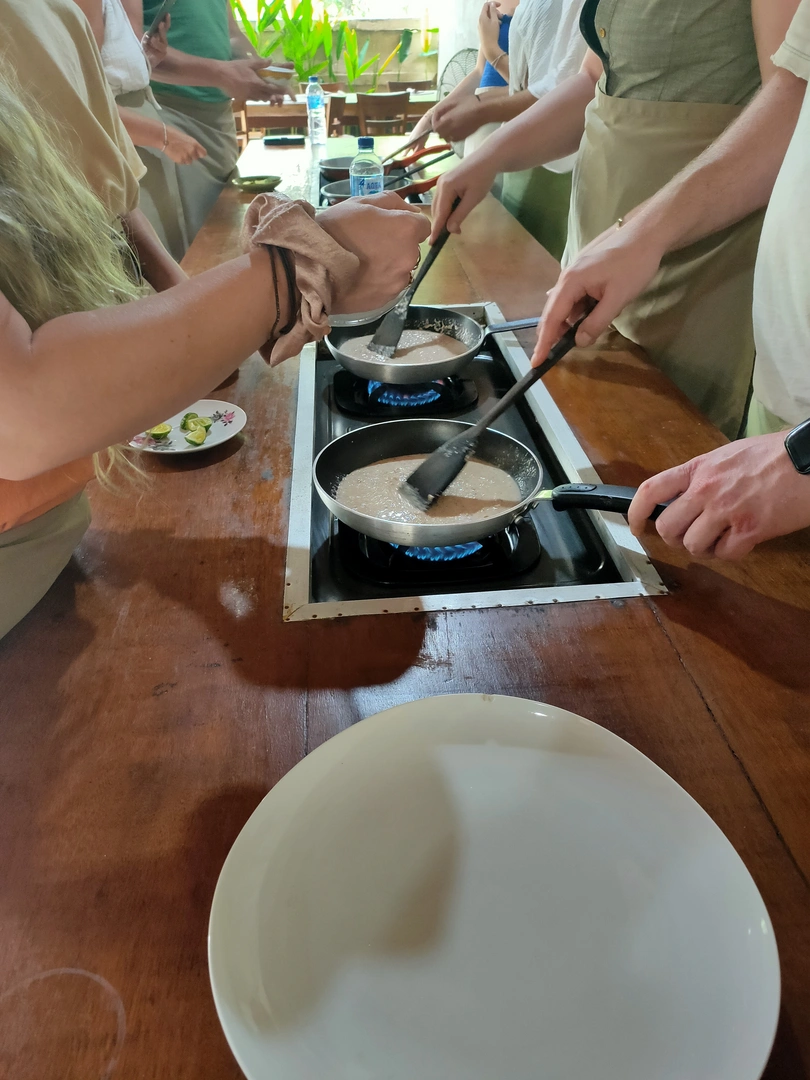
Image source: Kura-Kura Blog, Explore Balinese Cuisine: Learn to Cook Authentic Dishes at Paon Bali.
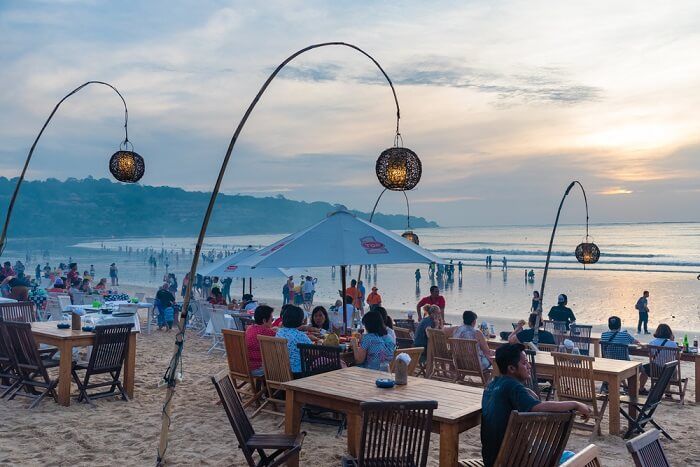
5. Explore Bali’s Food Culture After Sunset
Markets do not always become quieter as the day ends. In Denpasar, evening can bring a different kind of food experience, with vendors preparing snacks and local dishes while residents go about their routines.
Kura-Kura Bus’s private evening walking experience combines traditional markets with local food tastings and cultural landmarks. The route includes Badung Market, Kumbasari Art Market, a local food market, and historic parts of Denpasar.
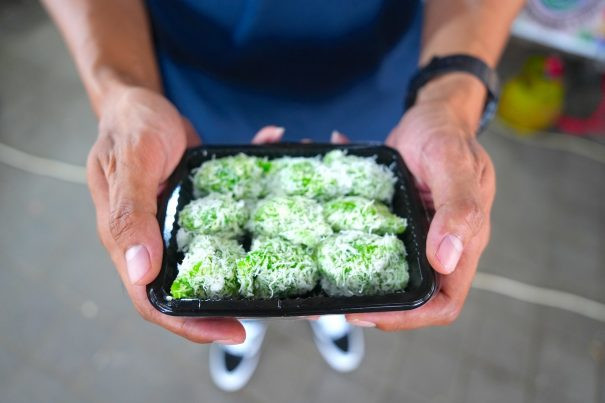
Depending on availability, food tastings may include items such as klepon, satay, pepes ikan, traditional snacks, and young coconut. Food selections can change according to vendors and seasonal availability, so part of the fun is discovering what is being served on the day.
The atmosphere changes. Food stalls become more active, aromas become stronger, and a market visit can feel less like sightseeing and more like joining the rhythm of the city.
6. Try Balinese Snacks Along the Way
You do not need a large restaurant meal to explore Bali’s culinary identity. Small snacks can be just as revealing, particularly when sampled in the environment where locals buy and enjoy them.
Look for traditional sweets, fried snacks, satay, steamed foods, rice-based preparations, and refreshing drinks. One example is klepon, a small sweet snack made with glutinous rice and filled with palm sugar.
The goal is not to taste everything in one afternoon. Choose a few things that look interesting, ask what they are, and enjoy them slowly. A local guide can be especially helpful when menus or ingredients are unfamiliar.
Traditional Market and Culinary Bali: Which Experience Fits You?
For Food Lovers
Spend time at a food-focused traditional market and try several local specialties instead of committing to one large meal.
For Curious Travelers
Choose a guided market walk so you can learn what unfamiliar ingredients are and how they are used.
For Couples
An evening culinary walk can combine food, conversation, local neighborhoods, and sightseeing at a relaxed pace.
For Families
Markets can be an engaging way for children to discover unfamiliar fruits, foods, colors, and everyday Balinese life.
Simple Tips for Visiting a Traditional Market in Bali
- Go with curiosity. A traditional market can be busy, colorful, and unfamiliar. Take your time rather than rushing through the stalls.
- Carry small amounts of cash. Cash is useful for small food purchases and market transactions.
- Ask before taking photographs. Markets are working environments, so be considerate of vendors and customers.
- Try something new. You do not need to order a full meal. One snack or a small tasting can introduce you to a new flavor.
- Ask questions. If you are unsure about an ingredient or dish, ask the vendor or guide what it is and how it is normally eaten.
- Dress comfortably. Markets can involve walking, warm temperatures, and crowded passages, so comfortable clothing and footwear are useful.
- Respect local customs. Some markets may also sell religious or ceremonial items. Observe respectfully and follow local guidance.
Why Food Can Tell You More About Bali Than a Souvenir
A souvenir gives you something to remember Bali by. Food can give you a way to understand it.
When you visit a traditional market, you see the ingredients that support local cooking. When you taste a Balinese dish, you experience the combination of those ingredients. And when you learn to prepare the food yourself, you begin to understand the techniques and traditions behind it.
This is what makes a traditional market and culinary Bali journey so rewarding. The experience moves naturally from market stalls to kitchens, from ingredients to recipes, and from food to cultural understanding.
Kura-Kura Blog describes Balinese cooking experiences in Ubud and Gianyar as opportunities to learn about fresh ingredients, traditional recipes, and the connection between food and local life.
Frequently Asked Questions About Traditional Market and Culinary Bali
What is the best traditional market to experience local food in Bali?
Badung Traditional Market in Denpasar is a strong choice for travelers interested in local food and everyday market life. Kura-Kura Bus describes it as Bali’s largest traditional market and highlights its fresh produce, spices, local delicacies, and interactions with local vendors.
What food should I try at a traditional market in Bali?
Depending on the market and vendor, you may find local snacks, satay, rice dishes, sweets, fresh fruit, and other prepared foods. Popular Balinese dishes to look for include nasi campur, lawar, and sate lilit.
Is a traditional market suitable for first-time visitors?
Yes. A market can be an excellent introduction to Bali because it combines food, local commerce, and everyday culture in one place. A guided experience can make it easier to understand unfamiliar foods and customs.
Can I combine a market visit with a Bali cooking class?
Yes. Some Balinese cooking experiences begin by visiting a local market to select ingredients before continuing to the cooking session. This creates a useful connection between what you see at the market and what you eventually eat.
What is a good option for an evening culinary experience?
A guided evening walking experience in Denpasar can combine Badung Market, Kumbasari Art Market, local food stops, street-food tastings, and historic landmarks. Food choices can vary depending on vendor availability and season.
Taste Bali Where Local Life Begins
The most memorable culinary experiences in Bali are not always found in the most famous restaurants. Sometimes they begin with a market stall, a basket of fresh ingredients, a conversation with a vendor, or a dish you have never tried before.
Exploring a traditional market and culinary Bali experience allows you to see the island from a more personal perspective. You can discover ingredients at the market, taste authentic local dishes, learn traditional cooking techniques, and understand how food fits into everyday Balinese life.
If you want to combine local markets, food, culture, and comfortable transportation, explore Kura-Kura Bus‘s Bali tours and culinary experiences for a deeper way to discover the island.
Explore Bali Tours & Culinary Experiences