A first trip to Bali is easier when the practical decisions are made before departure. The island is welcoming and well travelled, but it is not one uniform resort destination. Airport procedures, journey times, local customs, tropical weather, and the location of your accommodation can all shape the first few days of your trip.
This guide covers the essentials international visitors should understand before arriving. Entry rules, fees, and official procedures can change, so verify them again shortly before travel.
Check your passport, visa, and arrival requirements
Confirm that your passport meets Indonesia’s current validity and condition requirements. Check which visa applies to your nationality, travel purpose, and intended length of stay through Indonesia’s official immigration channels. Do not rely only on an old blog post, social-media video, or unofficial visa website.
Indonesia’s arrival systems may combine immigration, customs, health, and quarantine information. Complete only the forms currently required for your arrival date and save any confirmation or QR code offline. Declare restricted goods or reportable amounts honestly.
Foreign visitors to Bali may also be subject to the Bali tourism levy. Use the official Love Bali website or application, check whether an exemption applies to you, and keep the payment voucher accessible.
Save copies of your passport identification page, visa, travel insurance, accommodation address, return or onward booking, and important medical information separately from the originals.
Which visa do you need for Bali?
Bali follows Indonesia’s national immigration rules; it does not issue a separate Bali visa. The correct option depends on your passport, travel purpose, length of stay, and whether you may need an extension.
Depending on nationality and current eligibility, a visitor may qualify for visa-free entry, a Visa on Arrival, an electronic Visa on Arrival, or another visitor visa obtained before departure. A tourism entry permission generally does not authorise employment or activities outside its stated purpose.
Use the official Indonesian eVisa portal to check eligibility, permitted stay, extension conditions, passport requirements, and fees. Avoid agents or lookalike websites unless you have independently confirmed that they are legitimate. Save the approval document and payment receipt offline.
Complete the All Indonesia arrival declaration
International passengers arriving at Bali’s DPS airport are required to submit the All Indonesia arrival declaration. The official system combines information previously collected separately for immigration, customs, health, and quarantine.
The declaration is free and can be completed online from three days before arrival. Use the official All Indonesia website, provide accurate passport, flight, accommodation, baggage, health, and quarantine information where requested, and save the resulting QR code.
At entry points where All Indonesia is implemented, the customs declaration is incorporated into this system. Declare cash, goods, food, plants, animals, medicines, or other controlled items honestly. A submitted arrival declaration is not a visa and does not replace the need for valid immigration permission.
Pay the Bali tourism levy when applicable
Bali’s foreign-tourist levy is separate from the Indonesian visa and the All Indonesia declaration. The official levy is IDR 150,000 per eligible foreign visitor per Bali trip, subject to the current rules and exemptions.
Pay through the official Love Bali website or application and keep the voucher or barcode available on your phone. Check the exemption categories before paying, particularly if you hold a qualifying diplomatic, official, resident, or other listed status. Avoid unofficial payment links sent through messages or advertisements.
Plan your arrival at Bali’s airport
International flights arrive at I Gusti Ngurah Rai International Airport, also known by the code DPS. It is in southern Bali, not in Ubud or the geographic centre of the island.
Immigration, baggage collection, customs, and meeting a driver can take time. Avoid arranging a tightly timed activity immediately after landing. If you book an airport transfer, confirm the meeting point, passenger name, destination, flight number, and a contact method that works after arrival.
Airport distance can be misleading. A destination that looks close on a map may take longer to reach because of traffic, road layout, weather, or local events. Build extra time into transfers, especially toward Ubud, Canggu, Uluwatu, East Bali, or North Bali.
Choose the right area before booking accommodation
Bali’s main visitor areas offer different experiences. Choosing the right base can reduce unnecessary driving.
Ubud suits travellers interested in temples, art, inland scenery, wellness, and central Bali day trips. Sanur offers a calmer coastal base and convenient access to some boat departures. Kuta and Legian prioritise activity and proximity to the airport. Seminyak and Canggu are associated with dining, shopping, and social venues, although traffic can be busy. Nusa Dua is dominated by organised resort areas, while Jimbaran and the Bukit Peninsula provide access to southern beaches and Uluwatu.
For a longer trip, consider two carefully chosen bases instead of changing hotels every night. Match each base with nearby activities and keep the final night practical for your departure plans.
Understand Bali’s five broad travel regions
These are practical travel regions rather than official administrative boundaries. They help first-time visitors understand where experiences are located and avoid building an itinerary that crosses the island every day.
Central Bali
Central Bali includes Ubud, Tegallalang, Tampaksiring, and the highland direction toward Kintamani. It suits travellers interested in temples, art, villages, rice landscapes, wellness, and volcanic scenery. Ubud is the main visitor base, while Kintamani is cooler and more mountainous. The wider inland route can also include Jatiluwih’s rice terraces, part of Bali’s UNESCO-listed cultural landscape.

North Bali
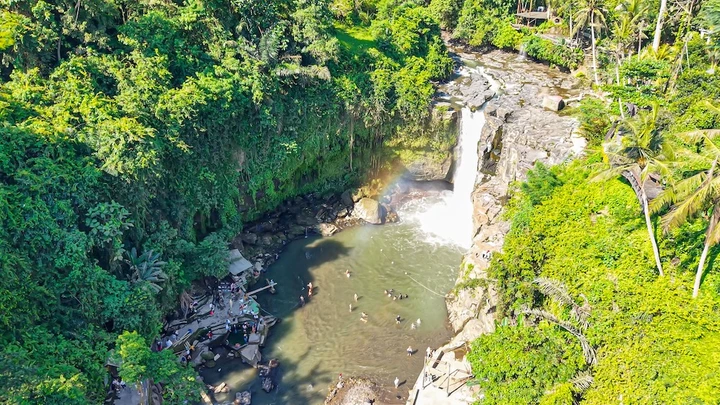
North Bali is commonly associated with Lovina, Singaraja, waterfalls, mountain roads, and a quieter coastline. The route north often passes the Bedugul highlands and Ulun Danu Beratan Temple. It is much farther from the southern airport and resort districts than a map may suggest. Stay overnight if the north is an important part of your trip.

South Bali
South Bali contains the airport and many of the island’s busiest visitor areas, including Kuta, Legian, Seminyak, Sanur, Jimbaran, Nusa Dua, and the Bukit Peninsula. Uluwatu Temple, the Kecak performance, GWK Cultural Park, surf beaches, and many luxury resorts are located in this broader region.

West Bali
West Bali is the least practical area for a rushed day trip from the south. It includes the direction of West Bali National Park, Pemuteran, and Menjangan, known for nature and marine experiences. Travellers usually benefit from staying locally rather than travelling there and back in one day.
East Bali
East Bali includes parts of Karangasem, such as Amed, Candidasa, Tirta Gangga, and the direction of Mount Agung. It suits travellers interested in diving, snorkeling, coastal villages, water palaces, and a slower base away from southern Bali.
Nusa Penida is not one of these five mainland regions. It is a separate island reached by boat and requires its own transport planning.
Understand how transport works
Bali does not have one transport option that suits every journey. Visitors commonly use pre-arranged airport transfers, shared shuttles, taxis, ride-hailing applications, private cars with drivers, organised tours, or scooters.
Shared transportation works best when its route and designated stops match your itinerary. A private driver is useful for regional sightseeing, families, luggage, or several planned stops. Taxis and ride-hailing can be convenient for shorter trips where pickup is permitted.
Only ride a scooter if you are properly licensed, insured, experienced, and comfortable with local conditions. Wear an appropriate helmet and understand that travel insurance may exclude unlicensed riding. Do not learn to ride in busy Bali traffic.
Group locations by area when planning a day. Crossing the island repeatedly wastes time and makes delays more likely.
Prepare money and payment options
The local currency is the Indonesian rupiah. Cards are accepted at many hotels, restaurants, and established businesses, but cash remains useful for markets, small shops, parking, tips, and places with unreliable connectivity.
Use reputable banks, authorised money changers, or ATMs in secure locations. Count cash before leaving a counter, protect your PIN, and inspect the machine before inserting a card. Decline unexpected assistance from strangers at an ATM.
Tell your bank about international travel if required and carry more than one payment method. Keep a small emergency reserve separate from your wallet.
What is one US dollar worth in Bali?
Exchange rates change every business day. On 30 October 2026, Bank Indonesia’s published transaction rates placed one US dollar at roughly IDR 18,000. Treat this only as a dated reference and check the current rate before travel.
At approximately that value, USD 1 may cover a bottle of water, a small local snack, or another low-cost everyday purchase. It will not usually cover a café coffee, a full restaurant meal, or a meaningful taxi journey in a visitor area.
As a very broad planning guide, a simple local meal might cost several US dollars, while cafés, western-style restaurants, attractions, transport, and imported products can cost considerably more. Prices vary sharply between local neighbourhoods, beach clubs, resorts, and remote destinations. Always check the price in rupiah rather than mentally treating every large number as expensive.
Arrange mobile data and useful contacts
Reliable mobile data helps with maps, transport coordination, translation, and booking confirmations. Compare international roaming, an eSIM, and a local SIM before travel. Device-registration rules can apply in particular circumstances, so check official customs guidance if you plan to use an overseas phone with a local SIM for an extended period.
Save your accommodation’s number, transfer contact, insurer’s emergency line, and copies of essential bookings. Download offline maps for the first area of your stay in case connectivity is unavailable on arrival.
Pack for tropical weather and cultural visits
Bali is warm and humid, but conditions vary by season, elevation, and region. Kintamani and other highland areas can feel cooler than the southern coast. Rain can occur outside broad seasonal expectations.
Pack lightweight clothing, sun protection, a reusable water bottle, insect repellent, comfortable footwear, compact rain protection, and a light layer for highland or air-conditioned environments. Bring medication in its original packaging and confirm any restrictions before departure.
Keep clothing that covers the shoulders and legs available for temple visits. Some temples provide or rent sarongs and sashes, but visitors should not assume every site offers the same facilities.
Bali weather month by month
Bali’s climate is tropical, and local conditions vary between the coast, central highlands, north, east, and west. The following is a broad planning pattern, not a forecast. Check BMKG close to your travel date, especially for marine activities and mountain journeys.
| Month | Typical conditions | Planning note |
|---|---|---|
| January | Wet, humid, frequent showers | Keep outdoor plans flexible and allow extra road time. |
| February | Wet season; intense rain periods possible | Check current conditions for hiking and marine activities. |
| March | Humid, with rain during the seasonal transition | Check the annual Nyepi date and travel restrictions. |
| April | Transitional; more dry intervals | A useful month for mixed cultural and coastal plans. |
| May | Generally drier and less humid | Often comfortable for beaches and inland sightseeing. |
| June | Dryer, warm days, comfortable evenings | Visitor demand begins increasing. |
| July | Usually dry, breezy, and slightly cooler | Busy season; reserve important arrangements early. |
| August | Dry and often windy | Check waves and sea conditions before boat trips. |
| September | Relatively dry and becoming warmer | Good for combining several regions at a relaxed pace. |
| October | Hotter, more humid, occasional showers | Carry light rain protection and plan for afternoon rain. |
| November | Rainfall generally increases | Confirm sea conditions before snorkeling or island transfers. |
| December | Warm, humid, wet, and busy | Book holiday travel early and keep weather flexibility. |
Approach food, water, and health sensibly
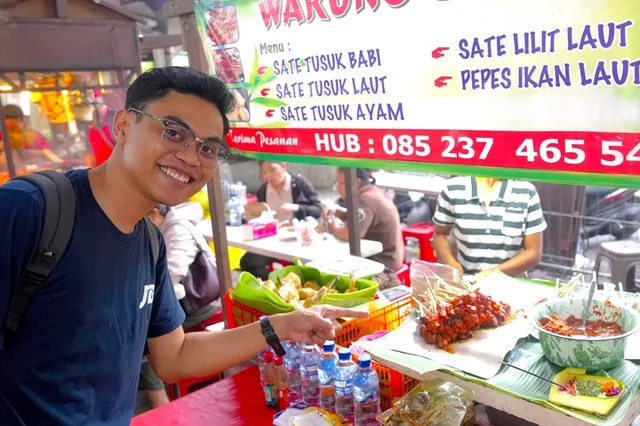
Drink treated or properly bottled water and use care with ice or food if you are uncertain about preparation. Choose busy, well-maintained food businesses and introduce unfamiliar dishes at a comfortable pace.
Use sun protection even on cloudy days and stay hydrated. Heat, humidity, changed routines, and long travel days can affect energy levels. Build rest into the first day rather than immediately filling it with distant activities.
Travel insurance should match your planned activities, including marine trips, hiking, or scooter use where applicable. For medical concerns, seek qualified professional help rather than relying on social-media recommendations.
Learn basic temple and cultural etiquette
Balinese temples are active sacred spaces. Dress respectfully, follow signs, and listen to temple staff or local guides. A sarong and sash may be required. Do not enter closed areas, climb sacred structures, stand above worshippers, or interrupt prayer.
Offerings are part of daily religious practice. Watch where you step and do not move them for photographs. Ask permission before photographing people closely, and never block a ceremony or procession.
Rules can differ between temples and occasions. Respect the guidance at the place you are visiting instead of assuming one set of rules applies everywhere.
Travel responsibly from the beginning
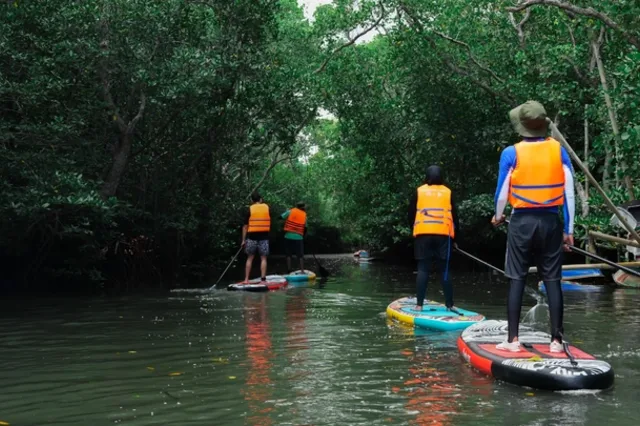
Reduce unnecessary single-use plastic, refill water where safe facilities are available, and dispose of waste responsibly. Treat wildlife encounters cautiously and avoid businesses that encourage harmful animal contact. A guided Bali Mangrove Forest Canoeing Tour offers a quieter way to learn about an important coastal ecosystem.

Support local guides, drivers, artisans, food businesses, and community-based experiences where possible. Bargaining may be appropriate in some markets, but it should remain respectful.
Respect residential areas. Bali is home to working communities, not a holiday set. Keep noise reasonable, dress appropriately away from beaches and pools, and do not enter private property for photographs.
Common first-time mistakes to avoid
Do not plan several distant regions in one day. Do not assume map distance equals travel time. Do not arrive at a temple without suitable clothing. Do not depend on one bank card or constant mobile reception. Do not book an unlicensed activity simply because it is inexpensive.
Most importantly, do not build an itinerary with no flexibility. Weather, traffic, ceremonies, and operating conditions can change. A less crowded plan usually creates a better experience.
Official websites to check before departure
Use Indonesia Immigration’s official eVisa portal for current visa eligibility and applications: evisa.imigrasi.go.id.
Complete the integrated arrival declaration through the official All Indonesia platform: allindonesia.imigrasi.go.id.
Check the Bali foreign-tourist levy and exemptions through the Bali Provincial Government’s official platform: lovebali.baliprov.go.id.
Check the current rupiah exchange rate through Bank Indonesia, and current forecasts or weather warnings through BMKG Region III Denpasar.
Final checklist before flying to Bali
Before departure, confirm your passport, visa or entry permission, current arrival forms, customs requirements, Bali tourism levy status, insurance, accommodation address, airport transfer, and onward travel.
Download essential documents, maps, and contact details. Pack respectful temple clothing, weather protection, medication, and at least two payment methods. Recheck official information close to departure.
Good preparation should not make the trip feel rigid. It simply removes avoidable problems so you can arrive with more time and attention for Bali itself.