
Best Time to Visit Labuan Bajo: Weather, Sea Conditions and Crowds
Choose the right travel period for clearer viewpoints, greener landscapes, island excursions, quieter dates or a more flexible sea-and-land itinerary.
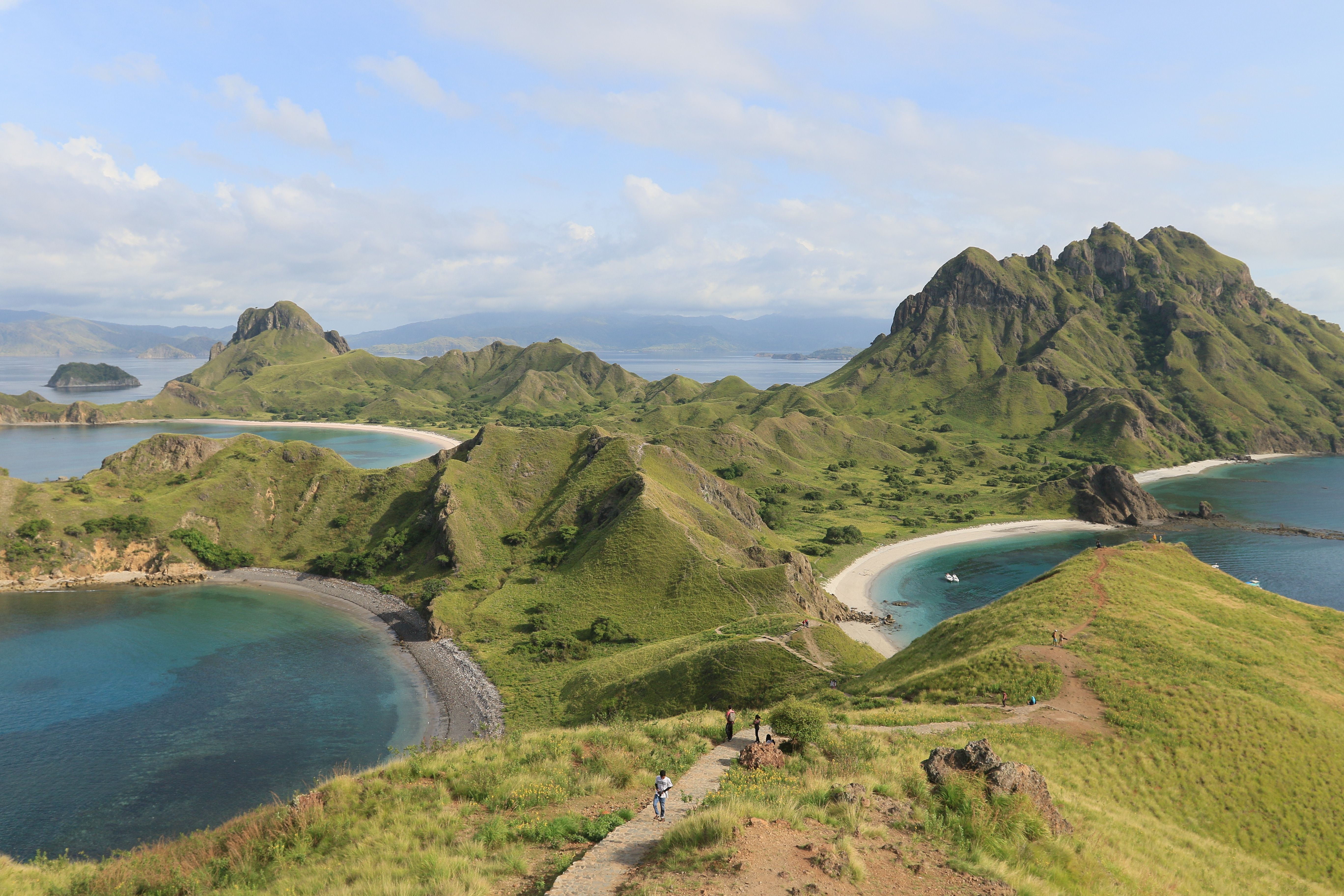
Photo: teras dondon on Pexels
The best time to visit Labuan Bajo depends on what you want to experience. Seasonal patterns can help you choose a broad travel window, but rain, wind, waves, currents, visibility and local operating decisions may still affect a particular route on any day.
This weather guide focuses on seasonal planning. For a broader overview of activities, transport, trip duration and first-time travel considerations, continue to our main Labuan Bajo guide for first-time visitors.
When Is the Best Time to Visit Labuan Bajo?
For Viewpoints and Trekking
Drier months are generally popular for Padar and other viewpoints because trails may be less wet and views may be clearer. Tropical heat and exposed paths still require water, sun protection and sensible pacing.
For Boat and Island Experiences
Many travellers favour the drier period, but no month guarantees calm water. Departure depends on the route, vessel, weather, harbour guidance and the operator’s safety assessment.
For Fewer Visitors
Travelling outside major holiday periods may feel more relaxed and can provide more accommodation choice. Availability can still vary according to demand and operating conditions.
For a Greener Landscape
Wetter periods can bring greener hills and softer light. They can suit flexible travellers and photographers who accept changing visibility, occasional rain and possible itinerary adjustments.
Dry Season and Wetter Months: What Changes?
Generally Drier: April to October
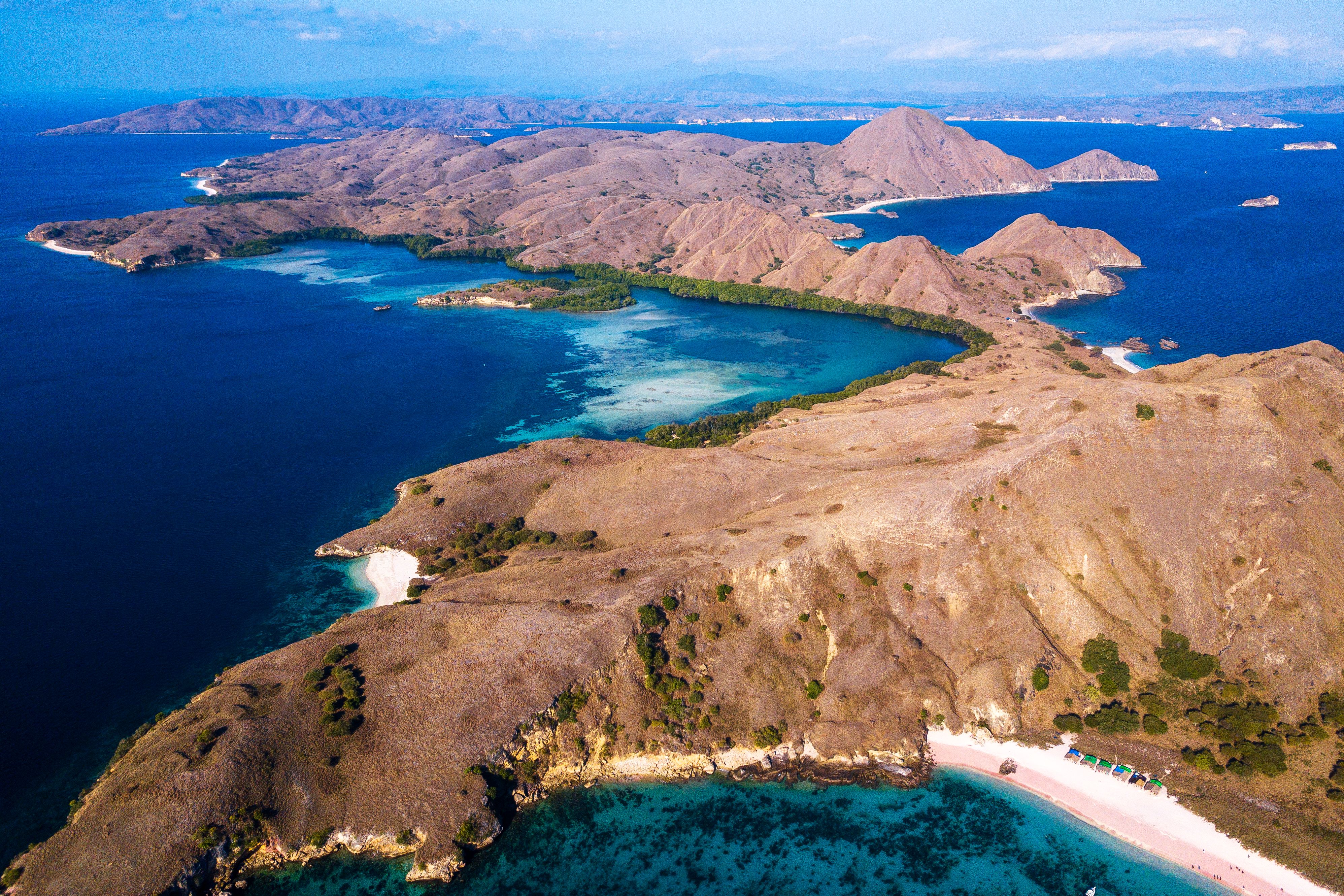
These months are commonly used as the main planning window for trekking, viewpoints and marine activities. Landscapes usually become more golden as the dry period progresses, while boats and popular accommodation can be busier during peak holiday dates.
Generally Wetter: November to March
Rain and cloud are more likely, and marine plans may require closer monitoring or changes. The advantages can include greener scenery and quieter travel. Rain in town does not automatically mean every activity will be cancelled, just as sunshine in town does not confirm that every sea route is suitable.
Labuan Bajo Month-by-Month Planning Guide
Use this table as a broad seasonal reference, not as a forecast. Weather and sea conditions vary from year to year and can change within the same day.
| Period | Typical Seasonal Pattern | Often Chosen For | Planning Consideration |
|---|---|---|---|
| January–March | Generally wetter and more changeable | Greener scenery, quieter travel and flexible town experiences | Keep alternatives for marine routes and check conditions close to departure |
| April–May | Transition toward drier weather | Green landscapes, viewpoints and mixed sea-and-land itineraries | Short showers and changing conditions can still occur |
| June–August | Typically drier and popular | Trekking, outdoor scenery and island itineraries | Book key services earlier and prepare for stronger demand |
| September–October | Usually dry with increasingly golden hills | Views, photography and combined sea-and-land plans | Heat and sun exposure can be significant |
| November–December | Transition toward wetter weather | Flexible travellers and greener scenery | Monitor rain, wind and sea forecasts more closely |
Choose the Season Based on What You Want to Do
Komodo and Rinca
Wildlife encounters cannot be guaranteed by a particular month. Ranger instructions, designated trails and current park arrangements matter more than online promises about sightings.
Compare Komodo Island and Rinca Island before selecting a route.
Snorkelling and Diving
Visibility and currents vary by site, tide and day. Choose a responsible operator, explain your swimming ability honestly and follow the guide if the planned site must change.
Read our guide to snorkelling in Labuan Bajo.
Viewpoints and Photography
Drier days may offer clearer views, while transition and wetter periods can produce greener hills. Morning or late-afternoon light can be attractive, but cloud cover and access remain variable.
Town and Mainland Experiences
Markets, viewpoints, cultural landmarks and community locations add balance throughout the year. They can also suit arrival days or occasions when a full marine itinerary is not appropriate.
Explore a four-hour Labuan Bajo itinerary.

How Crowds Can Affect Your Trip
Visitor demand is influenced by more than weather. Indonesian public holidays, school breaks and international holiday periods can increase demand, and popular boats or accommodation categories may sell out earlier.
- Reserve core services early for major holiday periods.
- Compare inclusions, vessel details and policies, not price alone.
- Allow enough time between flights, hotel check-in and boat departures.
- Ask which parts of the schedule may change for safety or operational reasons.
- Keep one lighter town or mainland activity available.
If you are deciding how much flexibility to build into the trip, compare our 3-, 4-, and 5-day Labuan Bajo itinerary guide.
How to Check Weather and Sea Conditions Properly
A seasonal guide can help you choose travel dates, but it cannot confirm whether a specific boat should depart. Check the latest information from Indonesia’s official meteorological authority and follow instructions from the harbour, operator, guide and relevant local authorities.
Official forecasts: BMKG forecast for Labuan Bajo Harbour and BMKG forecast for Labuan Bajo waters.
Build a Sea Plan and a Land Plan
A practical Labuan Bajo itinerary should not depend on every activity operating exactly as expected. Begin with your preferred marine experience, then choose a land-based alternative that fits the time available.
If a boat plan changes, read what to do when a Labuan Bajo boat tour is cancelled. Possible alternatives include viewpoints, markets, Batu Cermin and guided urban exploration, subject to road, weather and operating conditions.
The Labuan Bajo Urban Discovery Tour takes approximately four hours and can complement a Komodo itinerary or use otherwise unplanned time.

Frequently Asked Questions
What is the best month to visit Labuan Bajo?
There is no single best month for every traveller. The generally drier period from April to October is popular for outdoor activities, while wetter or transition periods may offer greener scenery and quieter travel. Choose according to your priorities and check current conditions.
Can I visit Labuan Bajo during the rainy season?
Yes, but keep the itinerary flexible. Activities may operate, change route, experience delays or be cancelled according to weather, marine forecasts and local operating decisions.
Does the dry season guarantee calm seas?
No. Seasonal patterns are useful for broad planning, but wind, waves, currents and local conditions can change. Follow BMKG information and instructions from the harbour and your operator.
When should I book accommodation and boat tours?
Book earlier for major holiday periods and limited-capacity services. Before paying, review the itinerary, inclusions, cancellation terms and weather-related policy.
What should I do if weather affects my boat tour?
Contact your operator and follow official safety guidance. If land travel remains suitable, consider a viewpoint, cave, market or guided town experience instead.
Plan Labuan Bajo Around Your Priorities
Share your travel dates, available time, number of guests and preferred experiences. We can help you consider a balanced sea-and-land itinerary with practical flexibility for weather and operating conditions.
Prefer another email service? Write to kura_rsv.id@jtbap.com.
