Nyepi 2027 falls on Monday, 8 March 2027. For 24 hours, Bali changes pace completely: roads fall quiet, businesses close, lights are kept low, and residents remain within their homes or accommodation. The contrast begins the evening before, when many communities carry enormous ogoh-ogoh through their streets.
This is not simply a festival followed by a shutdown. It is a connected sequence of purification, community work, reflection, and renewal. Understanding that sequence makes Nyepi easier to plan for—and far more meaningful to witness.
Nyepi 2027 at a glance
- Nyepi: Monday, 8 March 2027, marking the Saka New Year 1949.
- Ogoh-ogoh night: usually the evening before Nyepi, expected on Sunday, 7 March; each village sets its own route and timing.
- Melasti: held before Nyepi on dates chosen locally, often involving a procession to the sea or another water source.
- Ngembak Geni: Tuesday, 9 March, when normal activity gradually resumes and families reconnect.
- For visitors: stay inside your hotel or villa during Nyepi, keep sound and light low, and arrange food, medicine, cash, and transport beforehand.

What Nyepi means in Bali
Nyepi is the Balinese Hindu Day of Silence and the first day of a new year in the Saka calendar. Its stillness creates space for self-reflection and restores balance after the activity of the preceding ceremonies.
Observance is commonly described through Catur Brata Penyepian: no fire or bright light (Amati Geni), no work (Amati Karya), no travel (Amati Lelungan), and no entertainment or indulgence (Amati Lelanguan). Visitors are not expected to perform the religious observance, but they are expected to respect the quiet it creates.
Five moments that shape Nyepi
Melasti: purification before silence

In the days before Nyepi, Balinese Hindu communities carry sacred objects and offerings toward the sea, a lake, spring, or other water source. Melasti is a purification ritual, not a staged parade. Processions may temporarily slow traffic, and their dates differ between villages.
If you encounter one, stand clear of the procession, follow local directions, and avoid stepping between participants or sacred objects. Photograph from a respectful distance; a clear view is never more important than the ceremony.
Tawur Kesanga and community offerings

On the day before Nyepi, rituals take place at household, village, and wider community levels. You may see offerings at homes, crossroads, temples, and public spaces. Their purpose is spiritual balance, so do not move them for a photograph or step across them when there is space to walk around.
Pengrupukan: the night of ogoh-ogoh

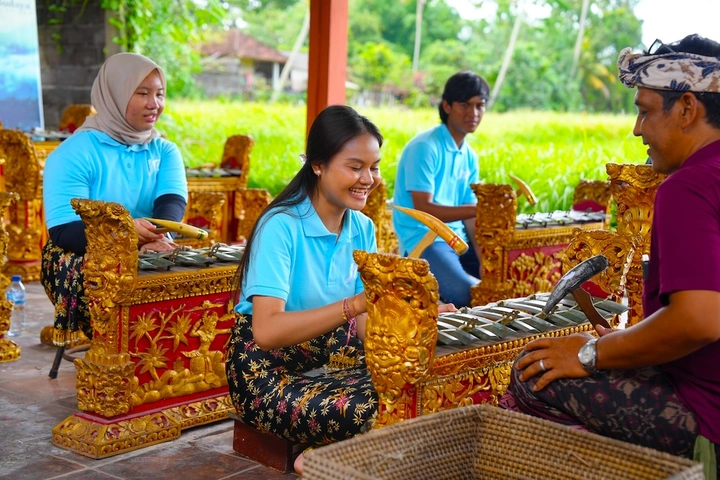
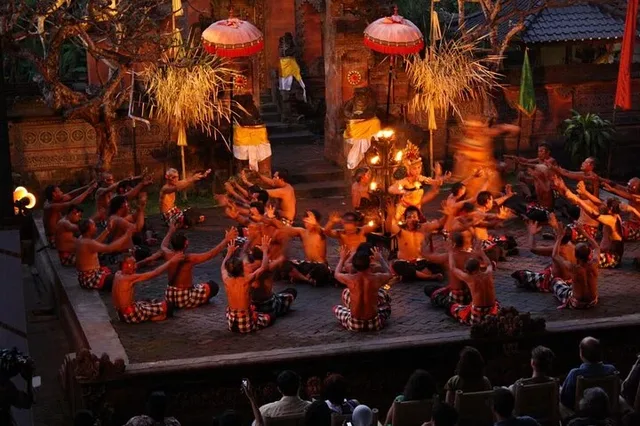
As evening arrives, the atmosphere changes. Gamelan, torches, crowds, and giant ogoh-ogoh fill selected streets. The figures are often turned sharply at junctions, making the procession energetic and unpredictable. Some villages hold large parades; others keep their observance small or follow different local rules.
For 2027, the main night is expected to be Sunday, 7 March, but do not rely on a generic online map. Ask your accommodation or the relevant village authority for the confirmed start time, viewing area, road closures, and return route.
Nyepi: the Day of Silence

From Monday morning, Bali becomes remarkably still. Roads and beaches are closed to ordinary movement, businesses do not open, and everyone remains within their residence or accommodation. Traditional village security officers, known as pecalang, help maintain the observance.
The low light can reveal an unusually dark sky, but Nyepi is not a night-sky event. Keep curtains drawn where required, avoid balcony gatherings, and follow the instructions given by your host. Emergency services remain available for genuine emergencies.
Ngembak Geni: reconnection

The day after Nyepi is Ngembak Geni, associated with forgiveness, family visits, and a renewed beginning. Activity resumes, but not every shop, office, ferry, or attraction returns to its full schedule immediately. Allow the island a little time to restart.
Why ogoh-ogoh matter

Ogoh-ogoh are monumental effigies commonly associated with disruptive or negative forces. Their exaggerated faces, claws, wings, and bodies are designed to command attention. They can draw on mythology, moral themes, contemporary concerns, or a community artist’s interpretation.
Yet their importance extends beyond the finished sculpture. Young people often spend weeks working together in their banjar, solving structural problems, composing music, rehearsing movement, and passing skills between generations. What visitors see for a few minutes represents a long period of collective effort.
How to watch an ogoh-ogoh parade respectfully

- Choose one local area. Roads close and traffic builds early, so walking from nearby accommodation is often simpler than crossing the island.
- Arrive before dark. Find a legal viewing position without blocking a temple entrance, junction, procession lane, or residents’ access.
- Keep children close. Expect drums, smoke, dense crowds, sudden turns, and heavy structures moving at speed.
- Wear practical clothing. Choose closed or secure footwear and carry light rain protection; early March can still be wet.
- Photograph without taking over. Avoid flash near participants, drones over crowds, and stepping into the route for a portrait.
- Leave when advised. Local officers may clear streets before Nyepi begins. Follow them promptly.
Where to experience ogoh-ogoh

There is no single official “best parade.” Ogoh-ogoh belong to local communities, and the most sensible choice is usually the confirmed procession within walking distance of your accommodation.
Often busy and visually impressive, with larger crowds and more road closures. Confirm the designated viewing area before travelling.
Events are organised by individual villages and banjar. Do not assume central Ubud represents the entire area.
Kuta, Sanur, Jimbaran, and surrounding communities may hold separate processions. Resort staff can identify the closest confirmed event.
Smaller local gatherings can feel more intimate, but visitor facilities and late transport may be limited.
Nyepi is also observed in Bali’s offshore islands. Confirm boat schedules and local restrictions well in advance.
How to find the confirmed 2027 schedule
Check with your accommodation, the relevant village or banjar, and official local-government announcements. Look again on the day itself: weather, safety decisions, and village arrangements can alter a route or starting time. Social-media posts from a previous year are useful context, not a 2027 timetable.
What visitors can and cannot do on Nyepi
You can read, rest, write, meditate, enjoy quiet meals, and use the private indoor facilities your accommodation keeps available. Hotels may operate limited dining and guest services behind closed boundaries. A villa may provide more privacy, but it also requires more preparation.
You cannot go sightseeing, visit the beach, exercise on public roads, change hotels, order ordinary transport, or leave simply to find food. Keep music, television, conversation, and pool activity quiet. At night, minimise visible light and close curtains as instructed.
A practical 7–9 March itinerary
Sunday, 7 March · Settle in and see ogoh-ogoh
Move into the accommodation where you will spend Nyepi before roads become busy. Collect food, water, medicine, and cash early. In the evening, walk to a confirmed nearby procession and return when local officers or your host advise.
Monday, 8 March · Stay inside for Nyepi
Keep the day unhurried. Follow your accommodation’s rules, keep noise low, reduce visible light after dark, and use only the facilities available within the property. Do not plan a beach walk or a change of hotel.
Tuesday, 9 March · Let Bali restart gradually
Services begin returning, but opening times and transport can remain irregular. Avoid a tight ferry or flight connection, confirm your driver or departure again, and allow extra time on the road.
Prepare your room, food, and essentials

- Ask about meals: reserve hotel dining in advance or confirm whether your villa has a kitchen and safe drinking water.
- Shop early: supermarkets and delivery services become busy before closing. Buy only what you will use.
- Refill medication: carry prescription medicine, basic first aid, and any child or infant supplies you need.
- Charge devices: power generally remains available, but accommodation rules and service interruptions can vary.
- Download essentials: save books, maps, tickets, and emergency contacts offline. Do not assume mobile data or Wi-Fi will operate normally.
- Keep some cash: ATMs and payment systems may not be accessible during the observance.
Ask your accommodation before booking
Meals and drinking water
Will meals be served, must they be reserved, and is drinking water available for the full quiet period? Villa guests should confirm cooking facilities rather than assuming delivery will operate.
Staff, emergencies, and check-in
Ask who will remain on site, how to contact them, what the medical procedure is, and the latest safe check-in time before roads close.
Pool, lighting, Wi-Fi, and house rules
Confirm which facilities may be used quietly, whether curtains fully cover illuminated rooms, and whether the property expects internet service to be restricted.
Families, accessibility, and sensory needs
Families should prepare milk, nappies, familiar food, medication, and offline entertainment before shops close. During ogoh-ogoh, use hearing protection for sound-sensitive children, avoid placing a stroller in the procession route, and choose an easy exit point before the crowd thickens.
Wheelchair users, older travellers, and anyone with limited mobility should ask about steps, accessible bathrooms, crowd barriers, and the distance from the viewing point. Ogoh-ogoh routes can have uneven surfaces, smoke, loud percussion, and limited seating.
Plan for rain and an offline day
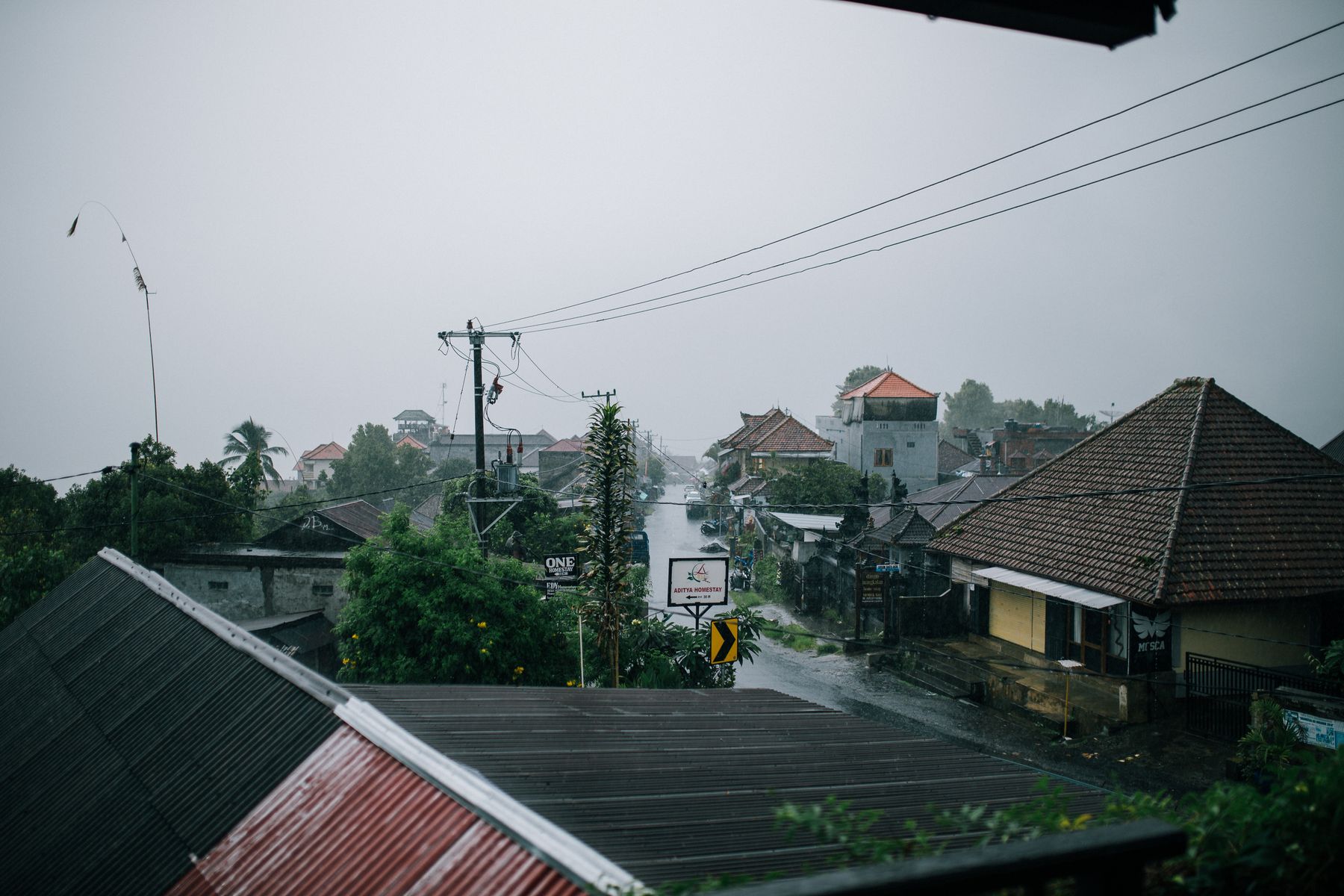
Early March can bring tropical rain. Carry a compact rain jacket rather than an umbrella that blocks other spectators, protect your phone, and accept that a procession may pause or change. Finish important uploads and online meetings before Nyepi, then download documents and entertainment for offline use.
Flights, ferries, and road transport
Bali’s airport normally suspends regular operations for Nyepi, and ordinary road transport stops. However, exact 2027 operating hours and exceptions should come from the airport, airline, port operator, or transport provider—not from a previous year’s timetable.
Avoid planning an arrival, departure, hotel move, or island transfer close to the start or end of Nyepi. Roads may already be affected by ceremonies on 7 March, while 9 March can bring concentrated demand as services restart. Build in a full buffer and reconfirm every connection.
Hotel or villa: which is easier?
A hotel is usually simpler for a first Nyepi. Many provide meal plans, staff for essential guest needs, emergency procedures, and a clear explanation of house rules. Facilities may be restricted, so ask what will actually operate.
A villa can be quieter, but you may need to arrange food, drinking water, check-in, emergency contacts, curtains, and lighting yourself. Confirm whether staff will be present and how to contact the manager without expecting them to travel during Nyepi.
Internet, electricity, and emergencies
Internet arrangements can change from year to year. Mobile data has been restricted during previous Nyepi observances, while hotel Wi-Fi policies have varied. Check the 2027 notice close to the date and prepare for an offline day rather than depending on a connection.
Electricity is not normally switched off across the island, but bright or visible use is restricted. For a medical emergency, contact your accommodation first where possible and use the official emergency route they provide. Nyepi rules do not prevent genuine emergency care.
Common mistakes to avoid
- Treating ogoh-ogoh as a street party detached from its religious context.
- Booking a late transfer on 7 March without checking road closures.
- Assuming every village holds the same parade at the same time.
- Waiting until the final evening to buy food, medicine, or drinking water.
- Leaving a villa because the streets look empty.
- Using bright balcony lights or making noise after dark.
- Planning a tight flight or ferry connection immediately after the island reopens.
Frequently asked questions
When is Nyepi in Bali in 2027?
Nyepi falls on Monday, 8 March 2027. It marks the beginning of Saka New Year 1949.
When is the ogoh-ogoh parade in 2027?
Ogoh-ogoh processions are usually held on the evening before Nyepi, expected on Sunday, 7 March 2027. Confirm the local village schedule because routes, starting times, and even whether a parade takes place can vary.
Can tourists go outside during Nyepi?
No. Visitors must remain within their accommodation except for a genuine emergency handled through the proper local procedure.
Are restaurants and shops open?
Public restaurants, shops, and ordinary delivery services close. Some hotels serve registered guests internally, usually with limited hours or pre-arranged meals.
Will Bali airport close for Nyepi 2027?
The airport normally suspends regular operations for Nyepi. Check the official 2027 airport and airline notices for the exact closure period and any operational exceptions before booking.
Is Nyepi a good time to visit Bali?
It can be deeply memorable if you are comfortable staying indoors for a full day and willing to follow local rules. It is unsuitable for travellers who need continuous transport, nightlife, sightseeing, or uninterrupted online access.
A quiet day with a larger meaning
Ogoh-ogoh may be the most visible part of the week, but Nyepi is defined by the stillness that follows. Seen together, Melasti, the community rituals, the parade, the silence, and Ngembak Geni form a coherent journey: purification, confrontation, reflection, and renewal.
Plan carefully, let local communities set the pace, and resist the urge to turn every moment into content. The reward is not only a smoother visit, but a clearer understanding of why this one day changes the rhythm of an entire island.
Official references
- Cabinet Secretariat of the Republic of Indonesia: 2027 national holidays
- Indonesia Travel: how to spend Nyepi in Bali
- Indonesia Travel: the meaning and sequence of Nyepi
Experience Nyepi as a responsible traveller

Responsible travel during Nyepi is less about finding a special eco-activity and more about reducing your impact while a living tradition takes place around you. The community is not performing for visitors; travellers are temporary guests within its rhythm.
- Stay local on ogoh-ogoh night. Walk to a nearby confirmed event instead of adding an unnecessary cross-island journey to already congested roads.
- Buy only what you need. Preparing for one closed day does not require excessive packaged food or bottled water that will later be discarded.
- Carry your waste home. Bring a small reusable bag, refillable bottle, and rain jacket; do not leave cups, ponchos, or food packaging beside the route.
- Do not use a drone without permission. It can disturb a ceremony, create risk above a crowd, and intrude on participants’ privacy.
- Respect people before images. Ask before making close portraits, avoid photographing private prayer, and never delay a procession for content.
- Follow local light and noise rules. Keeping a room dim and quiet is part of respecting the observance, not merely complying with hotel policy.
- Let communities lead the sustainability conversation. Some groups experiment with lighter structures or different materials for ogoh-ogoh. Visitors can appreciate that work without telling a banjar how its tradition should be practised.
The most thoughtful Nyepi visit leaves little behind: no blocked ritual, no abandoned rubbish, no unnecessary noise, and no assumption that access is more important than respect. Observe carefully, prepare modestly, and allow the silence to remain silence.