
Searching for sustainable activities and tour in Bali does not mean your holiday needs to become a lesson in environmental responsibility. Some of the island’s most thoughtful experiences are also simply enjoyable days out: paddling through a mangrove forest, eating ingredients grown near your table, walking through a working village, or discovering what happens when a discarded material is given a second life.
The difference is often found in the details. Who explains the place to you? How do you travel there? Does the activity involve a local community? Are you learning something about the landscape, farming, food, waste, or culture instead of only stopping long enough for a photograph?
This guide looks at six experiences available through Kura-Kura Bus that approach sustainability from different directions. Some focus on nature. Others involve local food, electric vehicles, community interaction, farming, or recycling. Therefore, you can choose a style that fits your holiday without making every day feel the same.
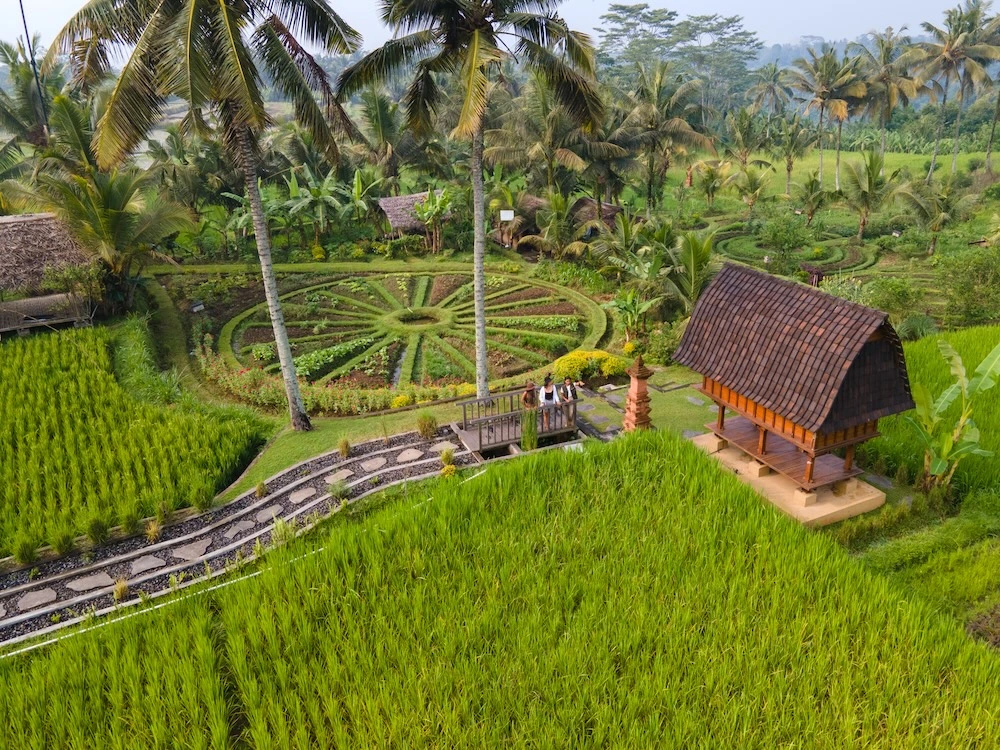
Image source: Kura-Kura Blog – Bali Tour 2026 sustainable experiences.
Sustainable Activities and Travel Is Not Only About Where You Go
A waterfall, farm, village, temple, or forest is not automatically sustainable simply because it is surrounded by nature. The way an experience is designed matters too.
For travelers, a useful approach is to look for experiences that create a stronger connection between the visit and the place itself. That may mean learning from a local guide, choosing quieter non-motorized activities, using lower-emission transportation when available, supporting community-based experiences, or understanding where food and materials come from.
It also helps to be realistic. No holiday is completely impact-free. Flights, vehicles, food, accommodation, and activities all use resources. Sustainable travel is better understood as making more considered choices where practical rather than trying to make a trip perfectly “green.”
Nature
Choose experiences where the landscape itself becomes something to understand, not simply a backdrop.
Community
Look for opportunities to meet local hosts, guides, farmers, craftspeople, or community groups.
Learning
A good tour should leave you knowing something that you did not know when the day began.
1. Paddle Instead of Motor Through Bali’s Mangroves
Southern Bali has a landscape that many visitors pass without really seeing: its mangrove waterways. On the Bali Mangrove Forest Canoeing Tour, guests explore the area from water level using a canoe rather than treating the forest as another roadside stop.
The guided paddling portion takes approximately 1 to 1.5 hours. While moving through the channels, the guide introduces the mangrove ecosystem and the wildlife that may be present around the route.
What makes this experience particularly relevant to sustainable travel is its connection with community-led conservation involving Wana Segara Kertih and local fishermen. Therefore, the activity links a relaxing morning on the water with a better understanding of why the mangrove forest matters to the surrounding coastline.
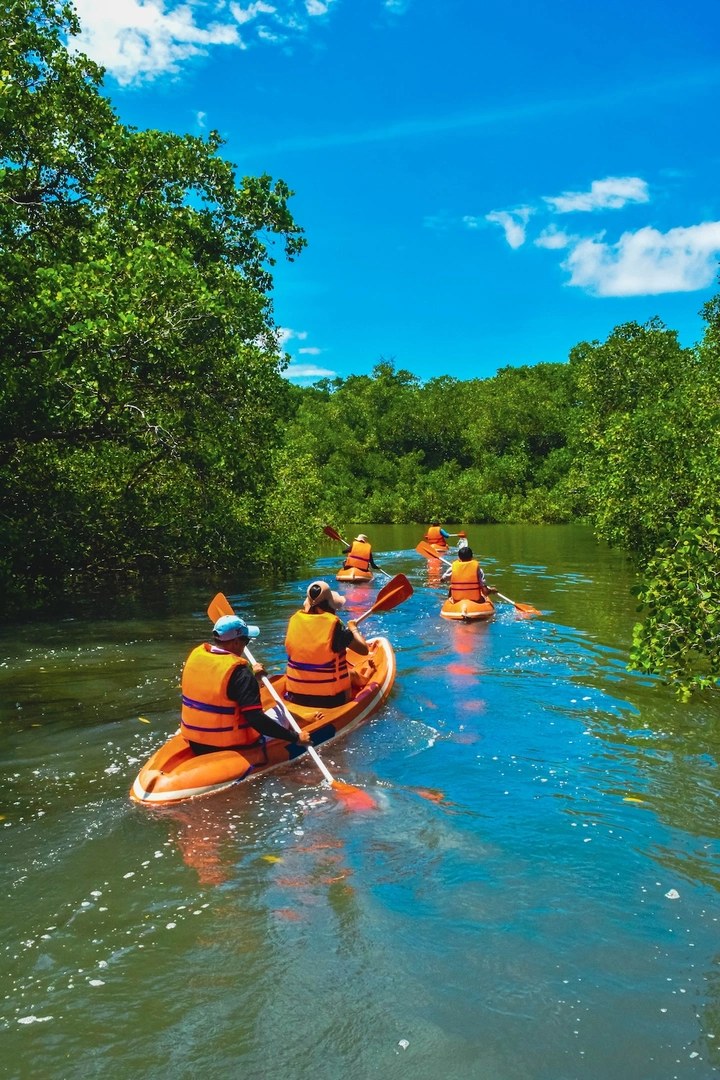
Image source: Kura-Kura Blog – Mangrove Canoeing and Stand Up Paddle in Bali.
2. Walk Through a Village Where Daily Life Is Part of the Experience
Rice fields appear on countless Bali itineraries. However, there is a difference between stopping beside one for a picture and walking through agricultural land with someone who actually grew up in the area.
The Bali Village Trekking – Paddy Field, Waterfall, and Balinese Lunch takes the slower approach. Guests walk through rice paddies, visit a Balinese compound, meet villagers, and learn about everyday farming and household traditions.
Depending on the experience, guests may also take part in simple activities such as planting rice, preparing firewood, or helping around the kitchen. The journey ends with a home-cooked Balinese lunch made with local ingredients, including produce from the host’s garden.
This is a good example of why sustainable tourism is also about people. The memorable part is not a large attraction. It is the time spent understanding how a community lives, farms, cooks, and maintains traditions that visitors usually see only from the outside.
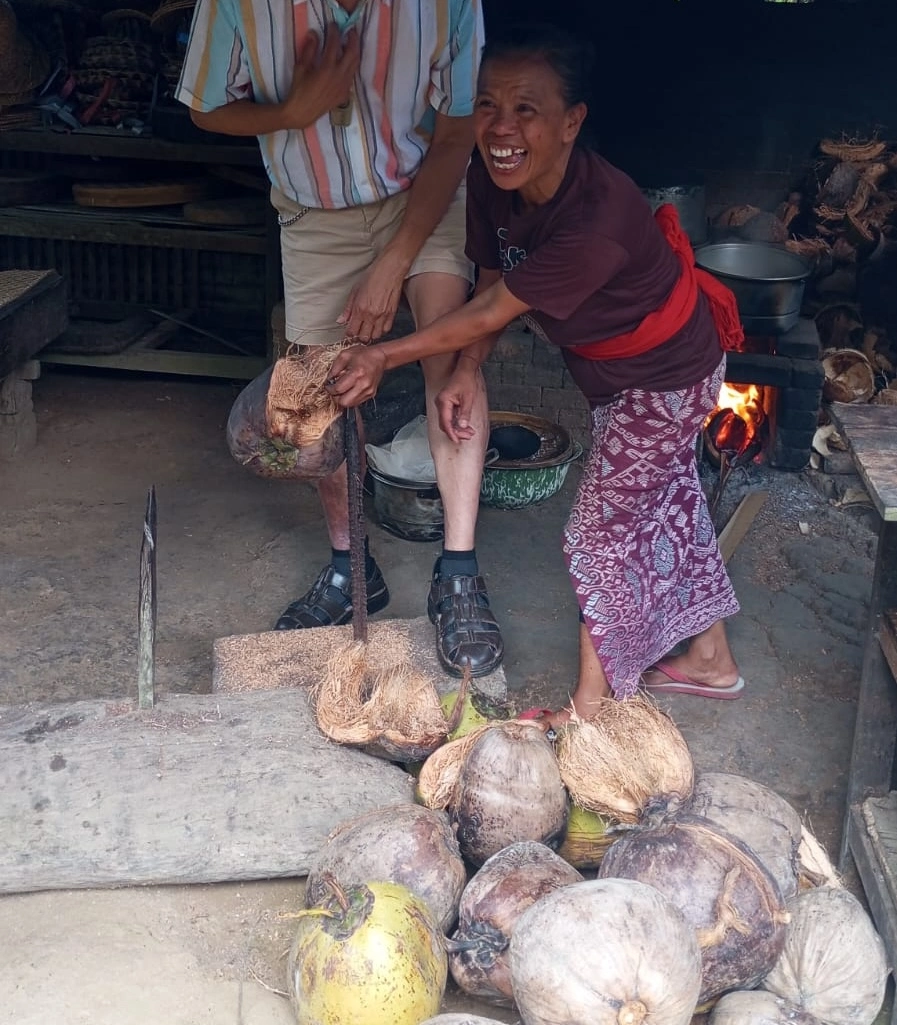
Image source: Kura-Kura Blog – Bali cultural and local experience collection.
3. Combine Heritage, Village Culture and Farming in One EV Journey
Sometimes sustainability is not a single stop. It can shape the entire route.
The Sustainable Culture Tour by Electric Vehicle connects Taman Ayun Temple, Rumah Desa, Sangeh Monkey Forest, and Kulkul Farm in one full-day program.
The day begins with hotel transportation by electric vehicle. At Rumah Desa, the experience moves into local culture through activities such as learning about a Balinese house compound, the traditional calendar, Balinese writing, canang sari, boreh, and coconut oil.
Later, Kulkul Farm adds another layer through organic farming education, responsible sourcing, composting, and waste-management practices. This means the tour does not rely on one “eco” attraction. Culture, transportation, food, and local learning all contribute to the theme of the day.
Image source: Kura-Kura Blog – Bali sustainable tour by electric vehicle.
4. Follow Your Lunch Back to the Farm
Farm-to-table is easy to write on a menu. It becomes more interesting when travelers can see part of the story before sitting down to eat.
The Begawan Biji Farm-to-Table and Ubud Tour by Electric Vehicle starts with hotel pick-up by electric vehicle before continuing to Begawan Biji for a guided farm experience.
Guests learn about the farm environment as well as water filtration and waste-management practices. Afterwards, the experience moves naturally into a family-style meal, connecting what you have just learned about the land with what arrives at the table.
The day does not remain entirely on the farm. Ubud Palace and Ubud Market are also included, creating a useful balance between sustainability-focused learning and the cultural atmosphere of central Ubud.
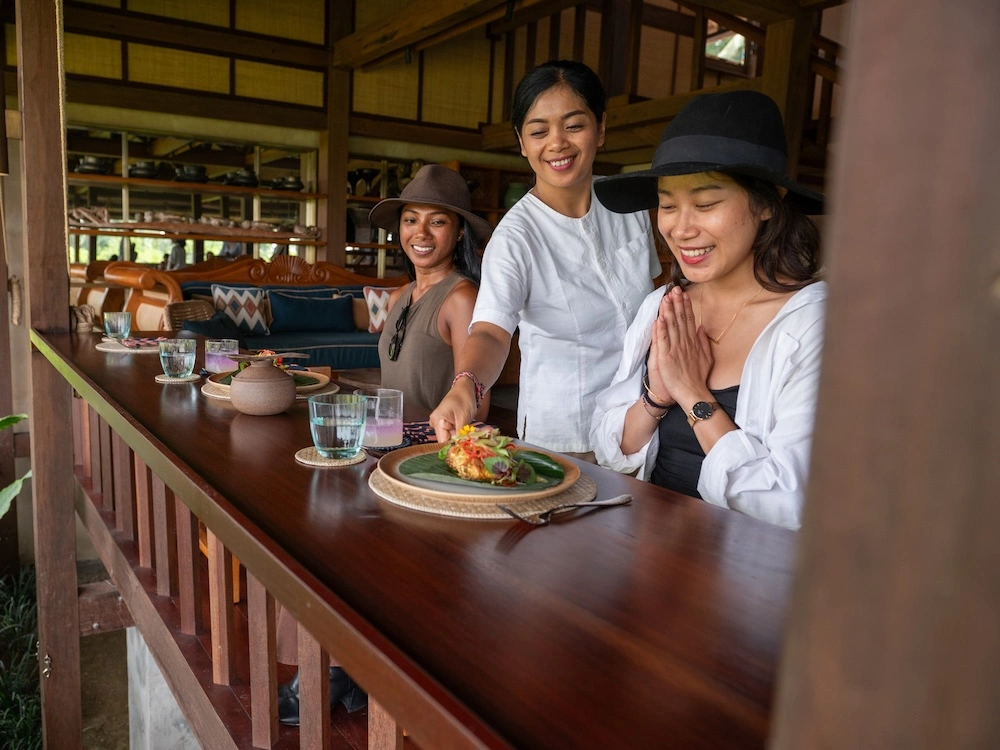
Image source: Kura-Kura Blog – Farm-to-Table Ubud Tour by Electric Vehicle.
5. See What Happens When Waste Becomes a New Product
Not every sustainable activity needs to happen in a forest. One of the more unexpected options on Kura-Kura Bus begins with something extremely ordinary: a used chopstick.
The Chocolate Farm Tour and Chopstick Recycling by Electric Vehicle introduces guests to a workshop where discarded chopsticks are processed and transformed into new products.
That makes ideas such as recycling and circular use much easier to understand because you can see the physical material moving from waste toward another purpose.
The day then changes character with lunch at Kulkul Farm before continuing to Jungle Gold. Here, guests explore cacao through a farm and factory visit and join a hands-on chocolate-making activity. It is a good choice for families because sustainability is introduced through things people can touch, taste, and make rather than through a lecture.
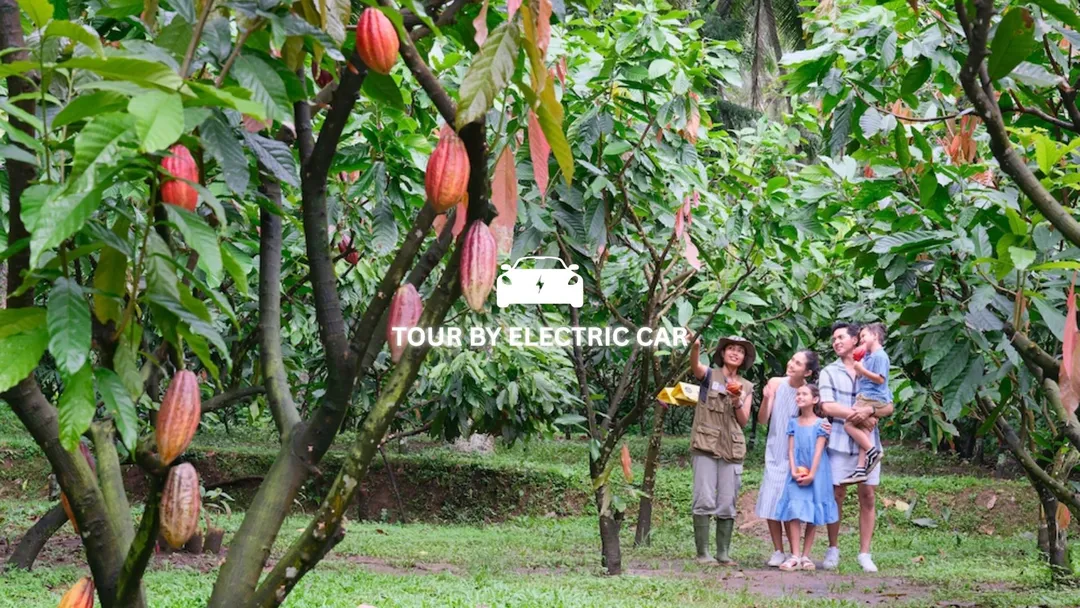
Image source: Kura-Kura Blog – Chocolate Farm Tour and Chopstick Recycling by Electric Vehicle.
6. Spend the Day in the Cooler Batukaru Highlands
For travelers who prefer walking shoes to workshops, the Bali: Batukaru Rainforest Trekking & Spirit Distillery Tour takes the experience into Tabanan’s greener highlands.
The guided rainforest trek lasts around two to three hours. Along the route, the guide introduces the surrounding ecosystem, medicinal plants, and the cultural importance of Mount Batukaru to the local community.
After the walk, guests return to Talasi Estate for lunch featuring locally sourced ingredients. The experience then shifts from forest to craftsmanship with a distillery visit that explains fermentation, distillation, aging, and the use of local ingredients.
It is an unusual combination, and that is exactly why it works. Instead of presenting sustainability as one separate subject, the day connects rainforest, agriculture, food, and small-scale production within the same highland setting.
Which Sustainable Activities Fits Your Travel Style?
The best choice depends less on which tour sounds the “greenest” and more on what you genuinely enjoy doing. A sustainable experience is still part of your holiday, so it should match your pace and interests.
I Want Nature
Choose mangrove canoeing or Batukaru rainforest trekking. Both put the natural environment at the center of the experience.
I Want Local Life
Village trekking gives you more time around rice fields, local homes, farming, cooking, and everyday Balinese traditions.
Begawan Biji connects farming with dining, while Batukaru combines local produce with a highland estate experience.
I Want Something Different
The chopstick recycling and chocolate tour turns circular economy ideas into a hands-on day that is easy to understand.
One Word, Several Different Approaches
It is easy to group every experience under one sustainability label. In practice, the tours above approach the idea from different directions.
Environmental Learning
Mangrove canoeing and rainforest trekking help guests understand ecosystems, plants, wildlife, and natural landscapes.
Community Connection
Village experiences place more emphasis on local guides, hosts, agriculture, home cooking, and everyday traditions.
Resource Awareness
Recycling workshops, water management, waste management, and farm education show what happens behind the scenes.
Transport Choice
Selected full-day programs use electric vehicles, adding a lower-emission transport option where the route and operations allow it.
How to Build Sustainable Activities into a Bali Holiday
You do not need to turn every day into a sustainability-focused itinerary. In fact, these experiences often work better when mixed naturally with beach time, temples, restaurants, shopping, or a quiet hotel day.
Short Activity Day
Choose mangrove canoeing when you want a meaningful activity without committing the entire day.
Slow Cultural Day
Use village trekking when you want to spend more time in one local environment instead of moving between major attractions.
Full Experience Day
Choose an EV, farm, recycling, or Batukaru program when you are happy to dedicate most of the day to one connected theme.
Before booking, check the current tour page for departure time, pick-up area, walking level, child policy, weather conditions, and operational updates. Some nature activities may change according to tides or weather, while electric vehicle use remains subject to route and operational suitability.
Small Choices That Make the Experience Better
- Bring a reusable water bottle when practical: it can reduce the need to purchase additional single-use bottles during the day.
- Dress for the actual activity: comfortable shoes are useful for villages and rainforest trails, while quick-drying clothing works better around mangroves.
- Ask questions: guides, farmers, hosts, and workshop teams can give the experience far more meaning than simply moving through each stop.
- Respect community spaces: a village, temple, farm, or family compound is not a staged backdrop. Follow your guide and ask before photographing people.
- Leave natural areas as you find them: avoid disturbing wildlife, removing plants, or touching mangrove roots unnecessarily.
- Choose quality over quantity: one slower experience can sometimes tell you more about Bali than trying to visit six unrelated attractions in a single day.
Who Will Enjoy These Sustainable Activities and Tours?
These experiences are particularly useful for travelers who already know that Bali offers more than beaches and temples but are not sure where to begin.
- Families: recycling, chocolate making, farming, and mangrove activities can make sustainability easier for children to understand through experience.
- Couples: farm-to-table dining, mangrove paddling, and rainforest experiences offer quieter alternatives to busy sightseeing routes.
- Repeat Bali visitors: these tours explore themes that may be missed on a first trip focused on Bali’s major attractions.
- Nature lovers: mangroves, farms, rice fields, and Batukaru offer several different landscapes without relying on extreme adventure.
- Curious travelers: recycling systems, food production, cultural traditions, and local agriculture give you something to talk about after the tour is over.
Frequently Asked Questions About Sustainable Activities and Tour in Bali
What are sustainable activities in Bali?
They can include nature-based activities, community experiences, responsible food and farming programs, environmental learning, recycling experiences, and tours using lower-emission transportation. The specific sustainability element differs from one activity to another.
Does a sustainable Bali tour have to be an eco tour?
No. Environmental experiences are one part of sustainable tourism, but culture, local communities, responsible sourcing, waste awareness, agriculture, and transport choices can also be relevant.
Which Kura-Kura Bus experience is best if I only have a few hours?
The Bali Mangrove Forest Canoeing Tour is approximately two hours overall, with around 1 to 1.5 hours spent on the guided canoe activity. It works well when you do not want to dedicate the entire day to a tour.
Are there sustainable tours in Bali using electric vehicles?
Yes. Selected Kura-Kura Bus programs use electric vehicles, including the Sustainable Culture Tour, Begawan Biji Farm-to-Table experience, and Chocolate Farm Tour with Chopstick Recycling. Vehicle use remains subject to operational readiness and route suitability.
Which experience is good for families?
Mangrove canoeing is designed as a family-friendly activity, while the chocolate and recycling experience offers several hands-on elements. Always check the latest age, insurance, and participation conditions before booking.
What should I choose if I prefer local culture rather than environmental activities?
Bali Village Trekking and the Sustainable Culture Tour by Electric Vehicle are stronger choices because they include village life, local traditions, cultural interpretation, and interaction alongside the sustainability elements.
Is Batukaru rainforest trekking difficult?
The current tour describes the trekking route as moderately easy and suitable for active travelers. The guided forest portion is approximately two to three hours, so comfortable walking shoes are recommended.
